







Key Takeaways
Brooklynella is a fatal and highly contagious parasitic disease primarily affecting clownfish and other aquarium fish.
Symptoms include mucous on the skin, gasping for air, and lethargy. Immediate treatment with formalin is crucial.
Preventive measures include purchasing captive-bred fish and quarantining new fish before introducing them to an aquarium.
Brooklynella hostilis is a fatal disease that is highly contagious, and it's caused by a marine parasite affecting both wild and farmed fish, including those in aquariums. The parasite primarily targets the gills, impairing the fish's ability to breathe. It is deadly to fish and can kill them in a matter of hours to days. While Brooklynella can affect any species of fish, it is most closely and commonly associated with the subfamily Amphiprioninae (clownfish), members of the Damselfish family, and therefore is typically referred to as clownfish disease. Treatment must be provided as quickly as possible to be effective. If your fish display any symptoms like gasping for air at the waterline, mucous on their bodies, skin lesions, or scraping themselves against objects in the tank, help should be sought immediately from an aquatic veterinarian.
What Is Brooklynella?
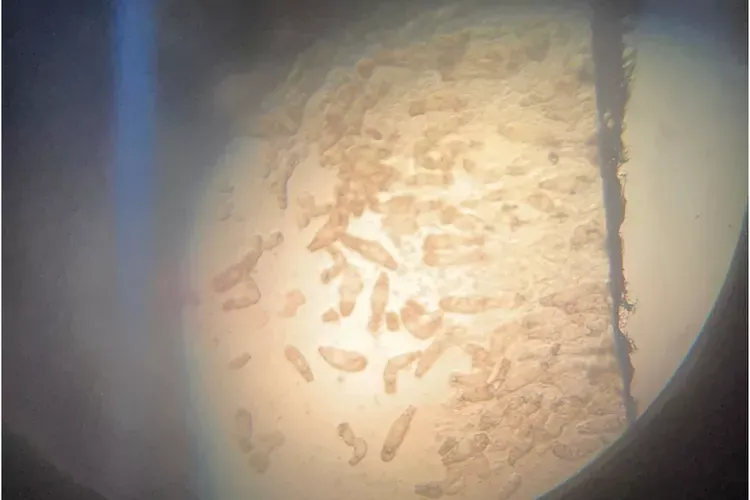
Brooklynella is a fatal disease that affects marine fish by attacking their gills and creating a buildup of mucous, and it is caused by the ciliated protozoan Brooklynella hostilis. These parasites live on the skin of fish and can lead to severe respiratory problems once the gills are infested.1 Under a microscope, they look like kidney bean-shaped parasites covered in cilia. Although this parasitic scourge is similar to other aquatic parasites, it requires a fish host to survive and is not particular in its quest to find a proper host. Brooklynella has been known to affect clownfish and members of their scientific family, but any species of fish can contract this parasite.
Symptoms of Brooklynella in Fish
Most similar symptomatically to Oodinium, Brooklynella is also a parasite that primarily attacks the gills first. Once infested, your fish may display the following symptoms:
Symptoms
Mucous and lesions on the skin
Gasping for air
Scraping against objects in the tank
Lethargy and loss of appetite
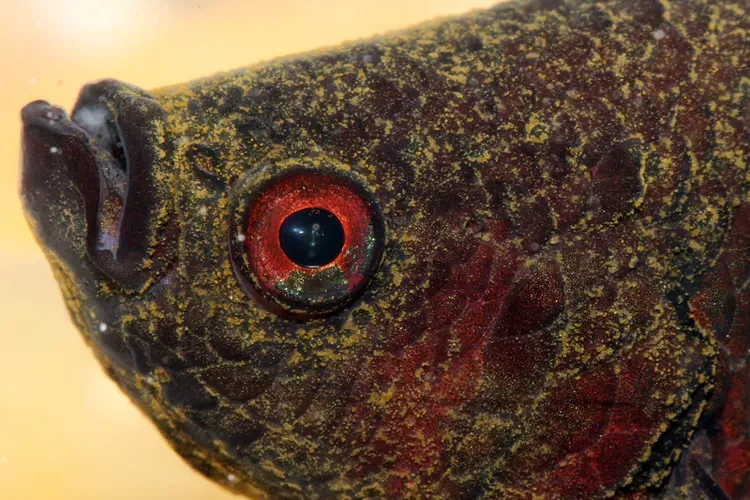
At the onset, fish may scrape up against objects, rapid respiration develops, and fish often gasp for air at the surface as the gills become clogged with mucous.1 Very quickly, the fish will become lethargic, refuse to eat, and its colors will fade. The most noticeable difference that sets Brooklynella apart from Oodinium is the heavy amount of slime that is produced by a fish that has contracted this parasite. As the disease progresses, a thick, typically white-colored mucous covers the body. This will usually start at the head and spread outward across the entire body. Skin lesions can also appear, and it is not uncommon for signs of secondary bacterial infections to arise, such as redness and fin rot.
Causes of Brooklynella
Brooklynella is always caused by Brooklynella hostilis, but fish can contract this parasite from a variety of sources. The following may cause your fish to develop the disease:
Close contact with infected fish
Infested fish being introduced to the aquarium
Contaminated water
Along with clownfish, additional species like angelfish, tangs or surgeonfish, wrasses, jawfishes, seahorses, and many others can host Brooklynella parasites. The protozoa that cause this disease to reproduce asexually using simple binary fission through conjugation, which is why they can multiply much more rapidly than Cryptocaryon (Marine Ich/White Spot Disease) and Oodinium (Velvet/Coral Fish Disease). This rapid reproduction explains why Brooklynella can kill fish within a few days. Sometimes, it can kill mere hours after symptoms are first presented. For this reason, accurate diagnosis and immediate treatment of all fish exposed to these life-threatening organisms are critical.
Diagnosing Brooklynella in Fish
Brooklynella can have symptoms that appear similar to other health conditions, like bacterial infections that also cause white, cloudy-looking skin on fish. For this reason, any additional symptoms should be observed. Your aquatic veterinarian will likely determine whether your fish are experiencing breathing issues. Biopsies taken from the skin can also be examined under a microscope to confirm whether Brooklynella is the cause of the symptoms.1
Treatment
There are varying suggestions on how to treat an aquarium that has been infested with Brooklynella. They range from adding copper, malachite green, and other remedies, with some of those recommended being used in conjunction with formaldehyde. The consensus is that the best and most effective treatment for Brooklynella is formaldehyde alone.
Formalin is a 37 percent solution of formaldehyde gas dissolved in water with methanol added as a stabilizer. It has been found to be an effective treatment for Brooklynella as well as other parasitic diseases.1 However, formalin is a very powerful chemical and should be used very carefully. Make sure you fully know how to treat ich diseased fish with formalin so that you follow the proper instructions and take the correct safety measures. Typically, a standard formalin solution is mixed with either fresh or saltwater in a separate treatment container. Initially, all fish are given a quick dip in the formalin at a higher concentration, followed by continued treatment in a prolonged bath of formalin at a lower concentration in a quarantine tank (QT). The longer the fish are exposed to the formalin treatment, the more effective it will be at eliminating this disease.
If a formalin solution is not available for immediate use, temporary relief may be provided by giving fish a freshwater dip or bath. Even though this treatment will not cure the disease, it can help to remove some of the parasites, as well as reduce the amount of mucous in the gills to assist with respiration problems. Once the initial dip or bath is done, place the fish into a QT under a hyposalinity treatment to help keep any possible new free-swimming protists from infecting the fish again, and then obtain a formalin medication as soon as possible to begin treatment.
Prognosis for Fish With Brooklynella
Brooklynella is highly contagious, and fish living in the same aquarium as any individual affected by this parasite should be removed and screened by an aquatic veterinarian. Since this disease can develop so rapidly, many fish infested by these parasites do not survive. However, if the symptoms are caught early enough and treatment begins immediately, a formalin solution can be very effective at removing the parasites and preventing fatalities. These treatments must be repeated every two to three days for at least three weeks in a quarantine tank, but some fish may have more severe infestations that can be fatal.1
How to Prevent Brooklynella
While Brooklynella cannot be totally prevented, aquarium owners can take a few preventative measures to help lower the risk of this parasite affecting their tank:
Purchasing Well-Maintained Fish
One way to prevent Brooklynella from infesting your aquarium is to only buy well-maintained, captive-bred aquarium fish. Brooklynella was originally known as clownfish disease because it was most commonly seen in that species. Wild-caught clownfish often suffer from this disease, but it's rarely seen on captive-bred clownfish. When purchasing any species to introduce fish to your aquarium, always try to work with sellers that maintain the ideal health screenings and living conditions for their fish.
Quarantine New Fish
Any new aquarium fish should be quarantined in a separate tank for two to four weeks prior to being placed in your aquarium. If any symptoms begin to present, avoid placing these fish in a tank with any others. A freshwater dip is also beneficial along with quarantining new fish. This will help ensure that only healthy fish are introduced to an aquarium, as many parasites can be at least partially removed during dips that last up to five minutes.1
If you suspect your pet is sick, call your vet immediately. For health-related questions, always consult your veterinarian, as they have examined your pet, know the pet's health history, and can make the best recommendations for your pet.






Leave a Reply
Your email address will not be published.