



Key Takeaways
Diarrhea in ferrets can result from various causes, including infections, dietary changes, stress, or foreign body ingestion.
Prompt veterinary care is essential to diagnose and treat diarrhea, especially if caused by serious conditions like parasites or cancer.
Prevent diarrhea by maintaining proper hygiene, gradual dietary changes, and ensuring your ferret's environment is safe and ferret-proofed.
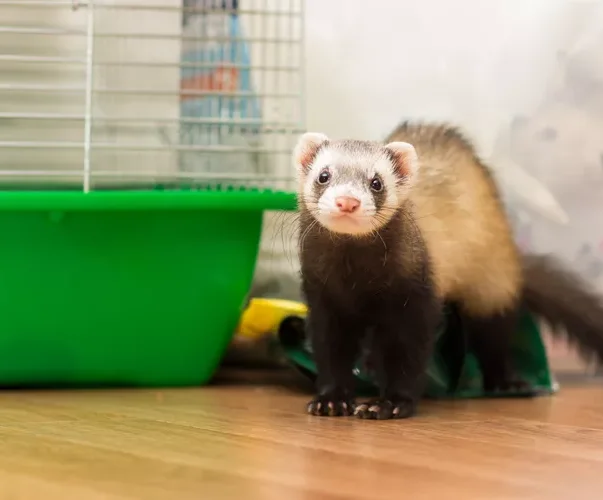
Ferrets, just like other pets, are unfortunately prone to several ailments, and diarrhea is a common one. Diarrhea in ferrets can be a serious issue since it can quickly cause dehydration, but sometimes it's temporary and simply the result of dietary indiscretion. By knowing more about the causes of diarrhea in ferrets, you'll be able to help prevent it and keep both your ferret and whoever cleans the litter box happier.
Causes of Diarrhea in Ferrets
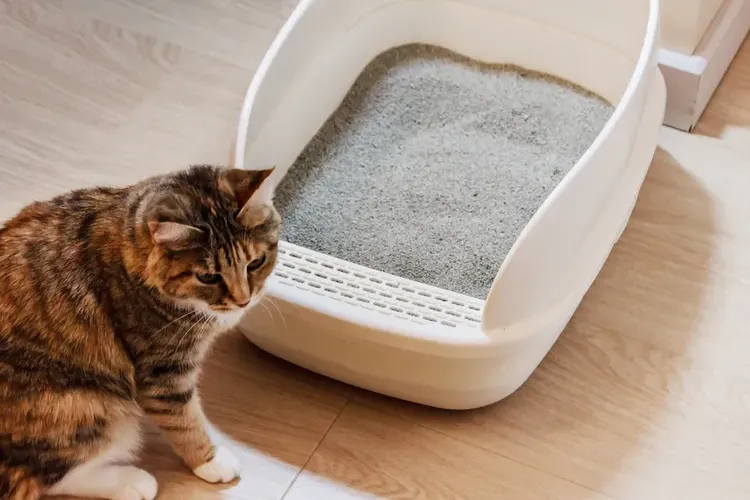
Diarrhea is defined as a frequent, liquid form of stool. There are a variety of reasons why a ferret may develop diarrhea and not only is it a mess for you to clean up (in both the litter box and on your ferret), but it can mean there is a bigger problem with your ferret. Diarrhea is often the symptom of a disease that affects the intestinal tract and some of these diseases can be very serious.
Infectious Disease
Infectious disease is a common cause of diarrhea in ferrets, whether that is bacterial, fungal, or viral in nature. A disease called epizootic catarrhal enteritis, or "green slime disease", is a viral disease that can cause diarrhea in older ferrets when a new ferret is introduced to a household. This is due to younger ferrets being a carrier for this coronavirus. Another disease that is thought to have some correlation to bacterial diseases is inflammatory bowel disease, IBD, which can result in "bird seed" feces that have undigested food particles in it. Ferrets with this disease also tend to lose weight over time with IBD if left untreated. Regardless of bacterial, fungal, or viral causes, have you ferret checked out by a veterinarian to get the appropriate treatment!
Intestinal Parasites
Diagnosing your ferret with intestinal parasites can sometimes be difficult, even for your veterinarian. Microscopic evaluations of your ferret's fecal matter may reveal worms, protozoans, parasite eggs, and other forms of intestinal intruders. These problematic parasites often affect the intestinal lining of your ferret and can cause diarrhea.
Coccidia is the most common type of intestinal parasite in ferrets. Coccidia are microscopic protozoans that are invisible to the naked eye. These parasites hang out in a ferret's intestinal tract and cause diarrhea, as well as weight loss and other symptoms if left untreated. A diagnosis of coccidiosis can be made by your veterinarian who will need one or multiple fecal samples in order to run tests to find this tiny parasite.
Dietary Changes
If your ferret eats a food that they don't normally eat, then they can develop diarrhea as a result of the dietary change. This type of diarrhea is usually short-lived but it can still be concerning and messy. Ferrets may find food on the ground, steal another pet's food, or simply get a new treat that can cause some diarrhea. Certain foods are also more likely to cause diarrhea in ferrets. Foods that are high in fat or contain a lot of oil are likely to cause loose stools as opposed to food items that are high in fiber or bland.
Foreign Bodies
Whenever a ferret eats an object that it shouldn't, that item is then considered a foreign body. Ferrets are known to chew on and swallow small items out of curiosity. Small rubber and plastic items, hair ties, coins, ear plugs, and even hairballs can become foreign bodies. If these items then get stuck, they can also cause an obstruction in a ferret, which is a very serious matter. Diarrhea, if incompletely obstructed, or lack of feces overall, a common symptom of a complete blockage by a foreign body, are clinical signs of obstructions since these items disrupt a normal digestive tract. Ferrets may also start vomiting, lose their appetite, and become lethargic if the foreign body becomes stuck or emits toxins.
Cancer
It's a word that no one wants to hear but unfortunately, cancer is quite common in pet ferrets. Lymphoma is one type of cancer that can cause diarrhea since it may affect the digestive tract of a ferret, but other types of cancer can also exhibit this symptom.
Stress
Just like in many other species, if a ferret is stressed, it may have diarrhea. This is not uncommon during a vet visit, in a carrier during transport, or after a ferret goes to a new home. Once the ferret relaxes, the stress diarrhea usually subsides, so if that happens, it's a good indication that stress was the reason for the loose stool to begin with.
Treatment
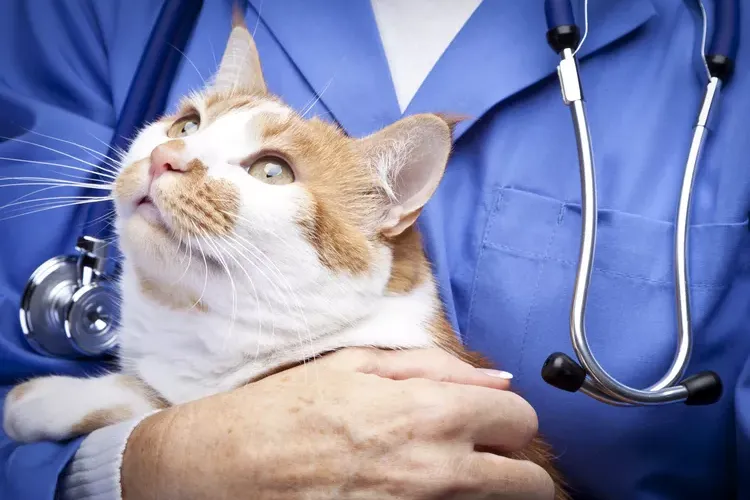
Depending on the reason for diarrhea, it may resolve without any intervention, or your ferret may need veterinary help.
Medications may be prescribed by your veterinarian to treat intestinal parasites, decrease inflammation from cancer, or simply help firm up the stool.
If a foreign body is causing diarrhea, the item may need to be surgically removed if it's emitting toxins or has become stuck in your ferret's digestive tract.
Dietary-induced and stress diarrhea can usually be resolved by offering a basic ferret food, without any additives, and giving your ferret a little time to recover. If diarrhea continues to happen though, see your vet for advice.
Hydration is very important if your ferret has diarrhea. Some ferrets require IV or subcutaneous fluids from the veterinarian, while others will hydrate themselves if fresh water is provided in a bowl.
How to Prevent Diarrhea
Keeping your ferret healthy is key to preventing diarrhea:
Wash your hands after handling ferrets that aren't your own and before handling your own ferrets.
Keep your ferret current on vaccinations.
Clean your ferret's cage, dishes, and litter box regularly.
If you must make changes to your ferret's diet, do so gradually.
Make sure anywhere your ferret has access to has been properly ferret-proofed to decrease the likelihood of a foreign body being ingested.
Coronavirus in Ferrets





Leave a Reply
Your email address will not be published.