


One of the most important aspects of pet ownership is ensuring your pet is getting all the nutrients they need from its diet. Sound easy enough, right?
Well, with so many brands on the market claiming they know what’s best when it comes to your cat food, making the right choice can be a challenge. That’s why we’ve made this guide all about finding the best food for your cat, so you can spend less time searching for the perfect meal and more time loving your furry friend!
Contents:
Cat Food by Age
Cat Food by Condition
Breed-Specific Cat Food
Cat Nutritional Needs
Unlike dogs, cats are obligate carnivores. This means their diet should be mostly meat and not carbohydrates like grains. Cats derive most of their energy from the proteins in the meat or fish they eat and need these proteins to maintain their health, both inside and out.
This is why finding cat food with a high percentage of quality meat content is essential when choosing the right food for your cat, considering their age and health.
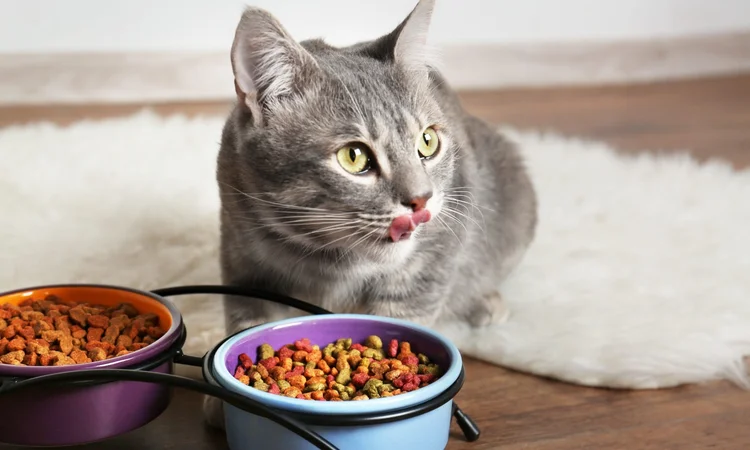
Age-Specific Cat Food
As cats age and grow, their nutritional needs will grow and change with them. This is why you’ll often find cat foods split into three categories:
Kitten food
Adult cat food
Senior cat food
We’ll discuss the key nutritional requirements of each age group so you can choose the right age-specific cat food.
Best Kitten Food
Kittens have different nutritional needs than older cats due to their bodies still growing and developing. Not only are the kibbles in dry kitten foods much smaller for a kitten’s smaller mouth and teeth, but they also pack in far more calories, protein and fat, as well as various vitamins and minerals to help support them as they grow.
There are also plenty of wet kitten food options, which can help when transitioning younger kittens onto solid foods as the smell entices them, but the texture is still soft and easy for them to chew.
Can Kittens Eat Adult Cat Food?
Because of their differing nutritional needs, kittens shouldn’t eat adult cat food until they’re old enough. For most kittens, this is typically around the 12-month mark. However, it does vary by breed as larger cat breeds, such as Maine Coons, take longer to mature into adults fully, and so should stay on kitten food until they’re fully grown.
Best Adult Cat Food
Once your cat has matured, their energy levels may drop, and so this needs to be reflected in their food.
While adult cat food should still have a high protein content, they need food that contains less fat and calories to prevent weight gain. This is particularly important when feeding an indoor cat as they often don’t spend as much time out and exercising and are more prone to gaining weight.
Best Indoor Cat Foods
If you’ve chosen to keep your cat indoors, we recommend looking for indoor cat food, like the Royal Canin Adult Indoor Dry Cat Food. Indoor cat foods not only have a more moderate fat content but also contain highly digestible proteins, which can help manage the odour of your cat’s stools and make cleaning their litter trays far less daunting.
Best Senior Cat Food
While some cats are happy to stay sprightly and crazed no matter their age, typically, as they age, their energy levels dip once again. This means a senior cat needs fewer calories than an adult cat to help reduce the risk of weight gain. You can find a great range of both dry senior cat foods and wet, or you can offer up a mix of both depending on your cat's preferences or health.
Older cats are also more prone to various health conditions, including a weaker immune system and potentially arthritis in their joints. Most high-quality senior cat foods contain various vitamins and minerals to help support all their bodily functions as they enter their golden years. Choosing a wet senior cat food is good for cats with dental problems or a low appetite because it's much easier for them to chew and is more tempting than plain biscuits.
When is a Cat a Senior?
Most cats are considered seniors once they reach 7 years old, so switching them to a senior-specific food at this time is recommended. However, some brands split their cat age groups up again with options for mature cat food and senior cat food. Mature cat food refers to foods intended for cats from 7 years old and senior cat food for those older than 11.
Below, you can browse our full range of age-specific cat foods, so you can give your cat the very best from the start.
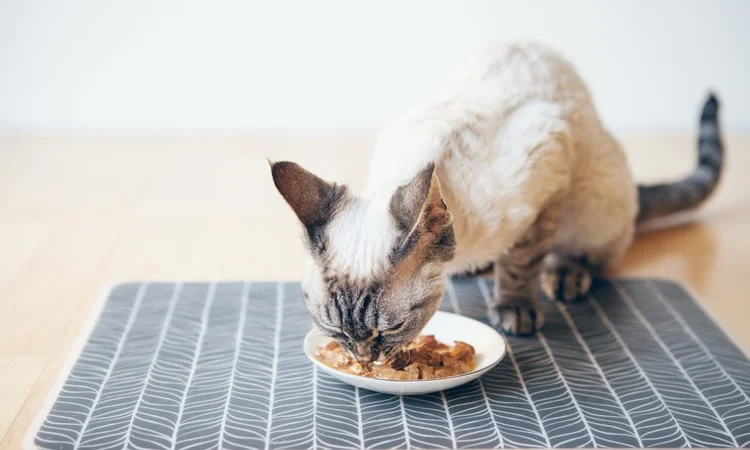
Condition-Specific Cat Food
No matter their age, cats are always at risk of developing a health condition, and one of the best ways to manage this is through their diet. Many well-known brands offer veterinary cat foods that are specifically formulated to consider what nutrients, vitamins, or minerals your cat lacks and give them some added support.
Some of the conditions that can be managed with condition-specific food include:
Obesity
Diabetes
Renal or liver failure
Urinary problems
Gastrointestinal problems
And more.
If you think your cat has a condition that can be managed through their diet, it is essential you speak with your vet before changing their food. They can recommend what to look for in cat food and advise on how else to support your cat’s health.
Grain-Free Cat Food
As we’ve mentioned above, cats are obligate carnivores, so they don’t need as much carbohydrates in their foods as, say, dogs. You may also notice that your cat struggles to digest the carbohydrates in heir food, such as the grains, which may indicate an intolerance.
Many brands now offer a range of grain-free cat foods, like the James Wellbeloved Grain-Free Adult Dry Cat Food, which uses highly digestible carbohydrates that are better for your cat’s stomach.
Hypoallergenic Cat Foods
When it comes to food allergies in cats, a protein allergy is more common than a grain allergy. Luckily, there are plenty of hypoallergenic cat foods available that are formulated with single-source proteins or hydrolysed proteins, such as the PURINA® PRO PLAN® HA Hypoallergenic® Cat Food. These foods are designed without using the most common allergens in cat foods, such as grains, particular proteins, eggs, and dairy. You can use hypoallergenic diets to do a cat food elimination trial where you remove all potential allergens and then slowly reintroduce them over the course of weeks to pinpoint what your cat is reacting to.
You can learn more about cat food allergies in our blog, but the most common signs of food allergies in cats include:
Vomiting or diarrhoea
Itchy, reddened and inflamed skin
Excessive grooming or scratching
Hair loss
And more.
If you notice any of the above symptoms, consult your vet for a full diagnosis and further treatment advice. In the meantime, you can soothe your cat’s allergy symptoms with our range of cat allergy treatments.
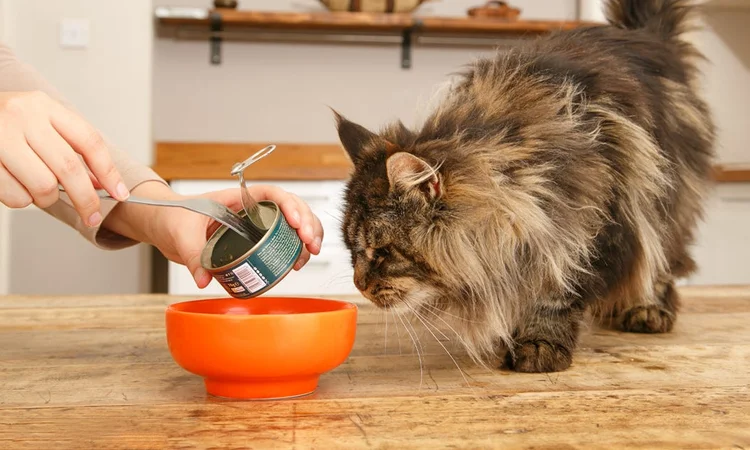
Breed-Specific Cat Food
While there aren’t as many different breeds of cats as there are dogs, there is still enough variety that different breeds may require different nutritional focuses. For example, breeds like the Ragdoll or Persian, who have glorious, long coats, may need food with higher levels of Vitamin E and fatty acids to help maintain their skin and coats.
Other breeds, such as the Maine Coone, are much larger and require more nutrients to maintain their bodies than smaller breeds. This is why many brands, like Royal Canin, provide a great range of breed-specific cat foods tailored to meet the varying needs of these unique breeds.
If you’re not sure what breed your cat is, try monitoring its health and condition on ordinary cat foods. Then, you can see what it may be lacking or speak with your vet for recommendations.






Leave a Reply
Your email address will not be published.