


As the temperature continues to drop and the winter weather creeps in, we all find ourselves reaching for that extra jumper or warm drink to help stave off the chill. But what about our feline friends?
Here we’re going to take a look at how well cats can manage colder temperatures and what you can do to keep your cat warm this winter with our winter tips for cats.
Can Cats Get Colds in Winter?
Cats tend to prefer warmer temperatures over colder ones, but they can tolerate colder room temperatures in winter. However, just like humans, cats can pick up viruses in winter that display symptoms similar to the common cold in humans, such as:
Sneezing
Coughing
Running nose or eyes
Lethargy
Fever
Colds in cats tend to "go away on their own within 7-10 days," according to PetMD. However, vulnerable cats, such as kittens, senior cats, or those with compromised immune systems due to conditions like FIV or cat flu, may face complications like secondary infections or even pneumonia.
If your cat has an existing condition or displays severe symptoms, book a consultation with your vet for a thorough diagnosis and treatment plan.
You can help support your cat's immune system this winter with a complete, gut-friendly cat food or by introducing immunity-boosting cat supplements.
What Temperature Can Cats Tolerate? (UK)
A healthy body temperature for your cat rests between 100.5°F and 102.5°F (38.1°C and 39.2°C), and when their temperature drops below 100°F (approx. 37.77°C), they are considered hypothermic. Hypothermia is a medical emergency that can affect any living thing which has had prolonged exposure to the cold and can be incredibly dangerous, even life-threatening.
As their body temperature drops, their heart rate and body movements begin to slow. If not treated, hypothermia can be fatal, so you must call a vet if you believe your cat might be hypothermic. Some of the key symptoms of hypothermia in cats include:
Violent shivering as they try to warm themselves
Ears and feet feeling noticeably cold
Lethargy
Low heart and respiratory rate
If you think your cat may be hypothermic, the first step is to warm them up by wrapping them in a warm towel or blanket and contacting your emergency vet as soon as possible.

How Do Cats Keep Warm?
Because a cat’s core temperature is higher than that of a human, they can withstand temperatures higher than expected, but it can also mean the cold is much harsher on them.
Luckily, cats are experts at regulating their own body temperature through their bodily functions and their own ingenuity.
You’ll often find that your cat will squeeze itself into small and cosy places to keep warm, or lie in sunny spots to soak up all the warmth it can. Some even lie on radiators to keep themselves warm.
How to Keep Your Cat Warm This Winter
As the temperature drops, it's essential to know what you can do as an owner to help keep your cat warm. Below, we list some of the best ways you can keep your cat warm this winter.
Keep Your Cat Dry
A cat's fur can take a long time to dry once it’s wet, and having damp fur makes them much more susceptible to the cold and hypothermia.
If your cat has been out in the rain or snow, make sure to dry them off as best you can with a warm towel.
Keep Your Cat Warm
Cats in cold weather can be more prone to developing cold-related illnesses, such as hypothermia or viruses similar to the common cold. Older cats in particular can struggle in cold temperatures.
Try to keep your cat indoors during the coldest periods (typically late evening until morning so they can stay warm inside. If your cat free ranges, adjust their cat flap to prevent them from leaving the house during these times.
Make sure to keep your cat out of the colder parts of your home (such as garages) during the coldest months and set them up in a space near a heat source so they can stay warm.
Provide a Warm Bed
Cats spend between 12 and 18 hours a day asleep, so by ensuring their favourite sleep spot is nice and cosy, you can help them stay warm.
If your cat doesn’t like sleeping in their cat beds, try leaving warm blankets in their usual sleep spots for some added warmth. Or, why not get them a cat radiator bed so they can sleep snug and warm on the radiator without risking burning their toe beans.
You can even purchase pet heating pads specifically designed to keep pet beds warm. Just make sure not to let them lie directly on one, but put it beneath a blanket or under their bed.
Provide a Complete Diet
When your cat is eating properly, all their bodily functions, including temperature regulation, can function as they should.
Don’t be afraid to give your cat a little extra Cat food during the winter months, as keeping their bodies warm requires more calories than maintaining their body temperature.
You can even try warming up their food in the microwave for a few seconds or mix in some hot water to warm the inside of their body as they eat. Placing your cat's food and water in a quiet and covered area will encourage your cat to eat in a more comfortable space.
Also, ensure your cat has constant access to fresh, clean water both indoors and outdoors. Ensure outdoor water bowls are checked regularly to prevent the water from freezing.
Maintain Their Coat
A cat’s most obvious defence against the cold is their fur, and some breeds even grow an undercoat during the winter to help keep themselves warm. By practising routine cat grooming, you can keep your cat’s coat healthy and avoid any mats or tangles that might require trimming.
The cold can also cause dry skin in cats, so adding a cat skin supplement can help nourish their skin without the need for bathing, as being wet in the winter can make it harder to regulate their temperature.
Encourage Movement
The more your cat moves, the warmer they’ll be. If your cat has been sleeping a lot, try encouraging them to move around with some playtime using some of their favourite cat toys. The more they chase, jump and climb, the warmer they’ll be.
Senior cats may experience joint stiffness in colder weather, especially if they have arthritis. Introducing a cat joint supplement to their diet during the winter can help them stay limber and improve mobility.
Provide Outdoor Shelter
If your cat spends a lot of time outdoors or you have a barn cat you want to keep warm, provide them with shelter outdoors and warm bedding inside to offer protection from the wet and cold.
Provide an Indoor Litter Tray
if you’re trying to limit your cat's outdoor access, then introducing a cat litter tray indoors is the perfect way to help. By letting them stay indoors to do their business, you can help limit the amount they need to go out and brave the elements.
Lots of Cuddles!
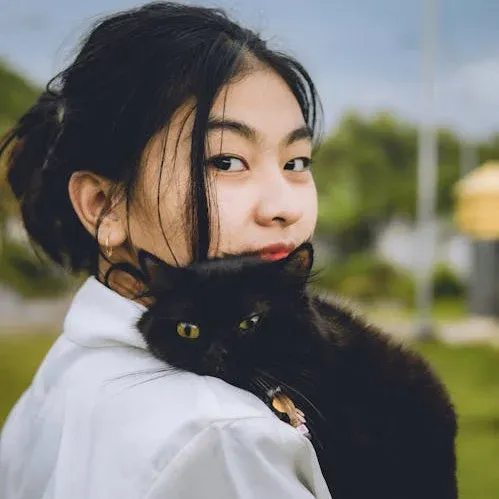
Our favourite way to keep your cat warm is by offering lots of love and cuddles! Not only can this help keep your cat warm as they snuggle into your body heat, but there’s nothing better than a good kitty-cuddle.
Do Cats Sleep More in Winter?
Cats typically spend 12 to 16 hours sleeping every day, and some may sleep even more during the winter months.
Accordingly to Cats Protection, if your cat is sleeping more during the winter months, it could be because of:
Temperature regulation - this can cause cats to sleep more as they conserve energy and maintain their body temperature.
Reduced activity - cats with less opportunity to exercise or go outside will likely sleep more.
Natural instinct - wild cats are known to sleep more during winter when food is scarce and to conserve energy, and domestic cats are likely to do the same instinctually.
Lack of sunlight - with less sunlight, cats are likely to spend daylight hours sleeping in sunspots to soak up what warmth is available
If you are concerned about your cat's sleeping habits, schedule an appointment with your veterinarian.
Do Cats Eat More in Winter?
According to Cats Protection, it is entirely normal for your cat's eating habits to change with the seasons.
Cats tend to eat more in winter (up to 15% more, according to a study from the University of Liverpool), most likely because they use more energy to regulate their temperature and stay warm.
Feeding your cat a little more in the winter is fine, but more food paired with less activity can negatively impact your cat's body composition, leading to increased risk of obesity.
Ensure you're not exceeding your cat's daily caloric intake as stated on their food packaging, or consider switching to a more energy-dense cat food for the winter.
Can Cats Get Fleas in Winter?
Yes, cats can still get fleas in winter, even if they're indoor cats.
Fleas thrive in warm and humid environments, which, thanks to central heating, means they are active even in the winter months.
Ensure you stay up to date with your cat's routine flea and worming treatments throughout the winter to maintain proper parasite prevention.
Do Cats Get a Winter Coat?
Yes, some cats will grow out a winter undercoat after a seasonal shed in the autumn. This is a perfectly normal occurrence and a natural phenomenon in many animals during the winter period.
Cats with single coats or hairless varieties may not grow a winter coat and so need some extra support to stay warm in winter, such as:
Sphynx cats (hairless)
Bambino cats (hairless)
Peterbald (ranges from hairless, fuzzy, curly, or wire coated)
Donskoy (ranges from hairless, flocked, velour, and brushed coats)
Lykoi / werewolf cats (sparse coats that moult occasionally)
Keeping your cat warm is just the start. Winter can be a challenging time for pets that spend time outdoors, so make sure to keep up with all your cat's routine healthcare this winter.





Leave a Reply
Your email address will not be published.