

Key Takeaways
Kitten diarrhea can result from various causes, including dietary changes, stress, infections, and parasites. Persistent diarrhea requires veterinary attention.
Key symptoms to monitor include vomiting, dehydration, presence of blood or mucus in stool, and changes in energy levels or appetite.
Preventive measures include gradual food transitions, regular vet check-ups for parasites, and maintaining a calm environment for the kitten.
Kitten diarrhea is a fairly common problem with many potential causes. If your kitten has loose or watery stools, it's important to take action because there could be a serious underlying problem. Here's what to do if your kitten has diarrhea.
What Causes Kitten Diarrhea?
There are many reasons why kittens develop diarrhea, and some are more common than others. Regardless of the reason for kitten diarrhea, it should never be ignored if it lasts more than a couple of days or if it affects the kitten's appetite or energy level.
Diet
A change in kitten food may cause diarrhea, but this is often only temporary and can be mitigated by making slower food transitions. Diarrhea may persist if the kitten has a food allergy or is sensitive to certain ingredients.
More commonly, diet-related diarrhea comes from kittens eating something they aren't supposed to eat, such as dog food or human food. Cow's milk often causes diarrhea in cats and kittens because it's difficult for them to digest.
Kittens may also eat non-food items, such as string, which may cause a dangerous intestinal blockage. They may vomit, stop eating, or pass watery stools.
Intestinal Parasites
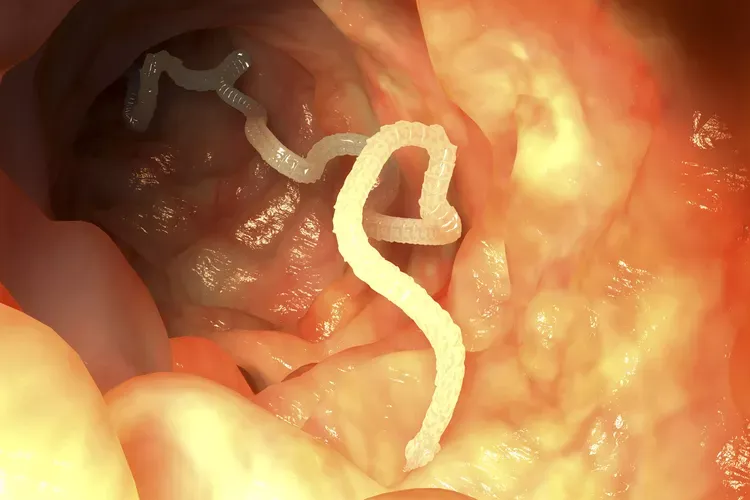
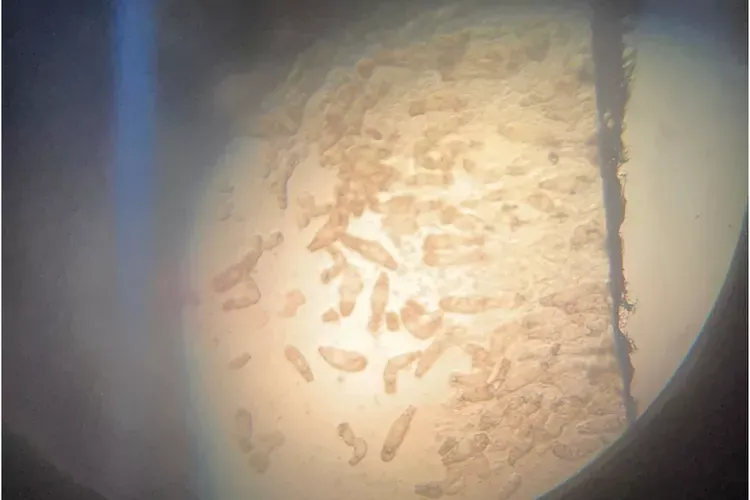
Intestinal parasites, often called "worms," make their homes in the intestinal tracts of kittens and other animals. These often cause diarrhea in kittens as they disrupt and irritate the intestinal lining. It's uncommon to see the actual worms, but your veterinarian can run tests to look for evidence of intestinal parasites.
Medications
Medications such as antibiotics, pain medications, and even some natural supplements can cause side effects like diarrhea in kittens. Be sure to report diarrhea to your veterinarian as they may need to adjust diseases or change to a different medication.
Environmental Stress
Just like people, kittens can get stressed in life. When a kitten is brought into a new home or is frightened by something in their environment, such as a dog or child, they may develop diarrhea as part of the body's "fight or flight" response.
Toxicity
Kittens are curious and tend to eat and chew things they shouldn't. If these items are toxic, they can cause a variety of symptoms including diarrhea. Nibbling on poisonous plants or eating insects can make cats and kittens sick. Exposure to chemicals, even some meant to kill fleas and ticks, can be toxic to kittens and also cause diarrhea.
Infectious Diseases
Kittens are vulnerable to many infectious diseases, especially if they are around unknown cats and kittens. Kittens can be vaccinated against some of the more common diseases, but they're not fully protected until they've had all their boosters. Infectious diseases that may cause diarrhea include panleukopenia, feline immunodeficiency virus, feline leukemia, and coronavirus (which may lead to feline infectious peritonitis).
Digestive Disorders
A variety of diseases and problems with the digestive tract can also cause diarrhea, including absorption problems, low vitamin levels, and Inflammatory bowel disease. Kittens may be born with a digestive disorder or develop one later on as they grow.
15 Common Kitten Diseases and Disorders
Symptoms of Kitten Diarrhea
Diarrhea, by definition, is more frequent-than-normal bowel movements that are marked by loose, soft, or watery stool. Persistent diarrhea can cause a kitten to become severely dehydrated and weak because of the loss of fluid in the stool. Other signs of illness may be seen along with kitten diarrhea.
Vomiting
Blood in stool
Mucus in stool
Poor appetite
Dehydration
Lethargy
Weight loss
Some kittens may not make it to the litter box and have accidents when they have diarrhea. They may also get messy paws if they step in their stool or may have stool stuck to their tails and rear ends.
Diarrhea that lasts for two or more days will require veterinary attention. Contact your veterinarian if your kitten has diarrhea or any other unusual signs for two or more days. Your vet may ask you to bring a stool sample for testing.
Warning
Dehydration, if left untreated, can cause death. Visit a veterinarian immediately if your kitten appears dehydrated, has stopped eating or drinking, seems extremely lethargic, or has pale gums. When in doubt, call the vet's office for advice.
How to Treat Kitten Diarrhea
Treatment for kitten diarrhea usually depends on the underlying cause. Your veterinarian will examine your kitten and run any necessary tests to determine next steps. Treatment may involve one or more of the following:
Anti-diarrhea medications that are safe for kittens
Fiber increase (supplements or diet changes)
Bland diet or special formula diets
Deworming if parasites are present
Fluid therapy if the kitten is dehydrated (may be given intravenously or under the skin)
Prevention
There are some simple ways to help prevent diarrhea in kittens.
Routine Fecal Testing
Kittens and adult cats can get intestinal parasites if they are outside or exposed to them from another animal. By getting your kitten's poop checked for worms at their kitten vaccine visits, you can help to prevent diarrhea from an infestation. This should be continued in adult cats at their annual wellness visits.
Parasite Prevention
Parasites like fleas, worms, and ticks not only pass diseases to kittens, but they can also stress kittens out because of the discomfort they cause. Many monthly preventatives will help control or prevent these parasites and help to prevent diarrhea caused by them.
Gradual Food Changes
Make sure any food changes are done slowly by mixing the old and new food together. Gradually add more of the new food over about a week until your kitten adjusts to the change.
Probiotics
When a kitten is on antibiotics, the medication is not only killing off the bad bacteria but also potentially destroying some of the good bacteria in its system. Ask your veterinarian about giving your kitten probiotics to help support the intestinal tract if they need to be on medications for an illness.
Pheromones
Environmental stress may be unavoidable sometimes, but you can help to keep your kitten calm by using pheromones in its home, such as Feliway. These may help calm your kitten and make diarrhea less likely to develop from the stress of any household changes.
FAQ
What should you feed a kitten with diarrhea?
A bland diet can help kittens recover from mild diarrhea. Ask your vet about adding a teaspoon of canned pumpkin to your kitten's food, which may help firm up the stool
How long does kitten diarrhea last?
Diarrhea in kittens doesn't usually last more than about two days. See your vet if your kitten has diarrhea for more than two days.
When should I take my kitten to the vet for diarrhea?
It's time to call the vet if diarrhea lasts longer than two days, your kitten seems listless and is sleeping all the time, or if you see blood in the stool.




Leave a Reply
Your email address will not be published.