







Key Takeaways
Neon tetra disease is a fatal, untreatable condition caused by a microsporidian parasite that spreads quickly among fish.
Prevention is crucial: quarantine new fish, avoid purchasing sick fish, and maintain high water quality.
Symptoms include loss of coloration, cysts, erratic swimming, and muscle damage, ultimately leading to death.
Neon tetra disease is a degenerative condition in fish caused by parasites. It spreads quickly and is often fatal. Originally identified in neon tetras, this disease affects many in the tetra family, as well as other popular aquarium fish families. Since there is no known cure, prevention is crucial. Here's what fish enthusiasts need to know about neon tetra disease.
What Is Neon Tetra Disease?
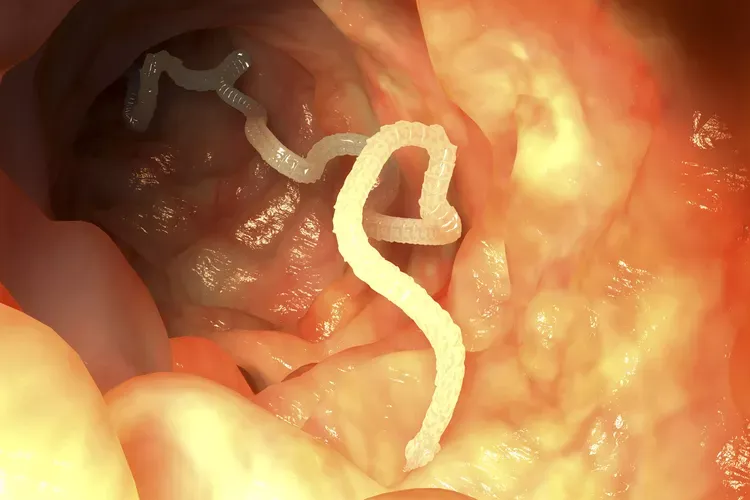
Neon tetra disease is a condition caused by a microsporidian parasite that's more common than many aquarium enthusiasts realize, and it affects species beyond neon tetras.1 The parasite consumes the fish once infected, affecting its muscle tissue and often leading to secondary infections. Neon tetra disease is degenerative, meaning it starts mild but progresses quickly to become very severe.
Cichlids such as angelfish and cyprinids such as danios, rasboras, and barbs also fall victim to the disease. Even common goldfish can become infected. Interestingly, cardinal tetras are more resistant to the ravages of this disease than the similar-looking neon tetra.
How Do Fish Get Parasites?
Symptoms of Neon Tetra Disease in Fish
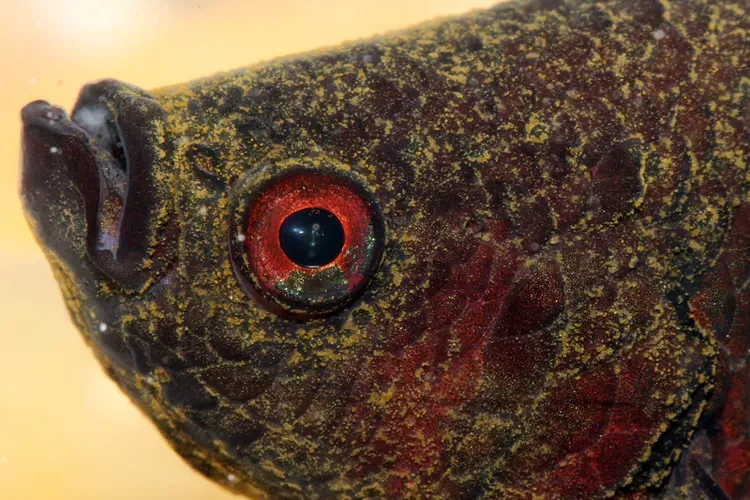
The symptoms of neon tetra disease typically develop in a certain pattern as the parasite progresses. Once affected, fish begin to lose their coloration, develop cysts, and have difficulty swimming before the disease progresses to a severe infection, ultimately leading to death.2 When a fish becomes infected, tank owners will likely observe symptoms in this order:
Restlessness
During the initial stages, the only symptom may be restlessness, particularly at night. Often the first thing an owner will notice is that the affected fish no longer school with the others—a clear sign that something is wrong. Eventually, swimming becomes more erratic, and it becomes quite obvious that the fish is not well.
Loss of Coloration
As the disease progresses, affected muscle tissue begins to turn white, generally starting within the color band and areas along the spine. As additional muscle tissue is affected, the pale coloration expands.
Cysts
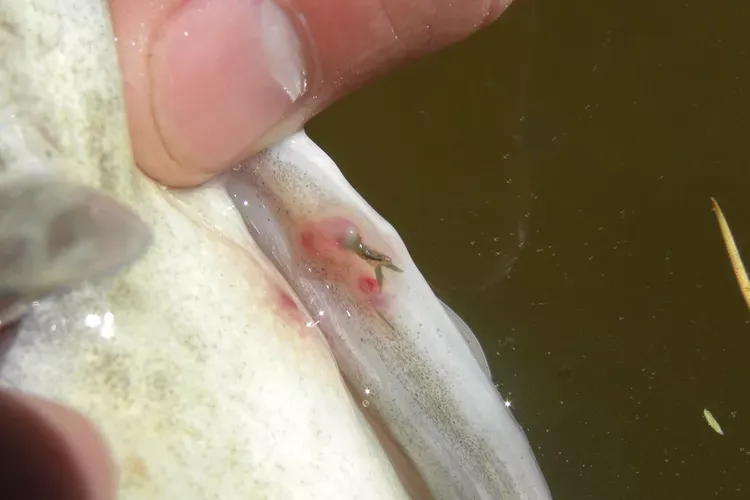
Cysts often begin to form in the muscles of the fish as the parasite infects these areas. It is not unusual for the body to have a lumpy appearance due to the presence of these cysts.
Difficulty Swimming
Damage to the muscles can cause curvature or deformation of the spine, which may cause the fish to have difficulty in swimming. Because the muscles are primarily affected, even those without curved spines can experience impaired movement.2
Secondary Infections
Bloating in the body or rotting of the fins (especially the caudal fin) is not uncommon. However, these conditions are both due to secondary infection rather than direct results of the disease itself.
Treating Dropsy in Fish: Identify, Prevent, and Cure the Symptoms
What Causes Neon Tetra Disease?
Neon tetra disease is caused by a parasite called Pleistophora hyphessobryconis.1 Spores enter the fish by being consumed as food, typically through these two methods:
Fish ingests the bodies of infected dead fish
Fish ingests live food that is contaminated with this parasite
Once one fish is infected, the disease can also spread to others through damaged skin or gills or via transovarial transmission from parents to offspring.1 After the spores enter a fish, the parasite will eat the fish from the inside out, starting with the digestive tract and stomach. Sporoplasms develop inside the intestines, burrow through the intestinal wall into the skeletal muscles, and there they produce cysts. The cysts damage the tissue, causing a paler color and weaker muscles.
Is Neon Tetra Disease Contagious to Other Animals?
Neon tetra disease is highly communicable, and the spores can survive in water for months. If healthy tank habitants ingest the body of an infected fish, the disease can easily spread through a tank quickly. One of the slightly comforting aspects of this disease is that it is not transmittable to humans.
How Vets Diagnose Neon Tetra Disease in Fish
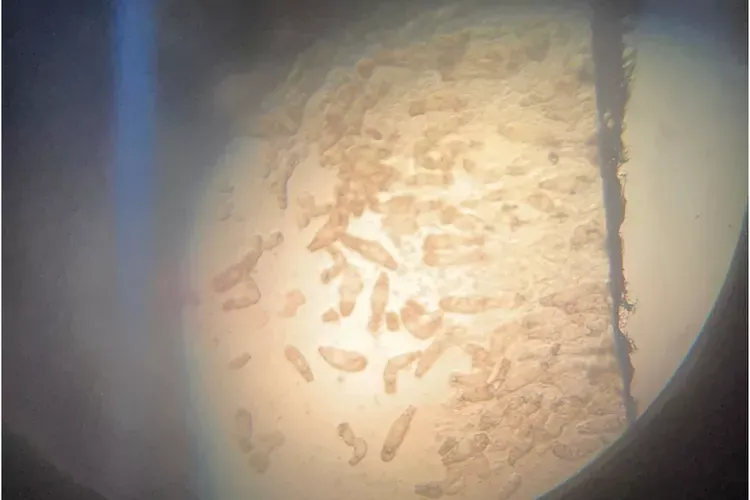
Spores of Pleistophora hyphessobryconis can be visually seen in the tissue of infected fish, and diagnosis may involve examining this tissue. Symptoms of this parasite can be compared to similar diseases to determine the cause, though microsporidian diseases in fish are considered untreatable.1 Fish may be quarantined when signs are first noticed to observe their progression and rule out other conditions.
How to Treat Neon Tetra Disease
There is no known cure for neon tetra disease. To ensure all fish are not lost, any affected fish should be quickly separated and removed from the tank. Many fish will eat other dead fish when given the chance, so this is a necessary step to prevent the disease from spreading to healthy fish
Prognosis for Fish With Neon Tetra Disease
Since microsporidia are not treatable, fish infected with Pleistophora hyphessobryconis parasites will eventually succumb to the condition. Some species, such as angelfish, may live for quite some time with neon tetra disease, but they should not be allowed to do so in a community tank. Most fish found to have this disease are euthanized before it becomes debilitating.
How to Prevent Neon Tetra Disease
The best ways to prevent neon tetra disease are to avoid purchasing sick fish and to maintain high water quality.
When purchasing fish for your tank, select a well-regarded supplier. If buying online, observe any reviews and avoid buying for price versus quality. When possible, buy locally. This will give you a chance to carefully inspect the supplier's fish. Do not purchase any fish from tanks where there are sick, dying, or dead fish present; you can usually identify a sick fish because it will not school with the others (assuming that the fish you're selecting are schooling fish).
Once you've selected your new pets, quarantine new fish for two weeks before adding them to an existing community tank. This will give your fish a chance to adjust to a new environment while also allowing you to observe their behavior and appearance. If you see any signs of sickness, get in touch with your supplier and prevent questionable fish from interacting with others.
Maintain high water quality and select fish foods from a known and respected source. As with any fish or fish supplies, it's easy to wind up with contaminants even if you purchase high-quality fish food. However, the risk is greater when buying online at the lowest cost.
Aquarium Water Parameters to Control for Healthy Fish
If you suspect your pet is sick, call your vet immediately. For health-related questions, always consult your veterinarian, as they have examined your pet, know the pet's health history, and can make the best recommendations for your pet.






Leave a Reply
Your email address will not be published.