
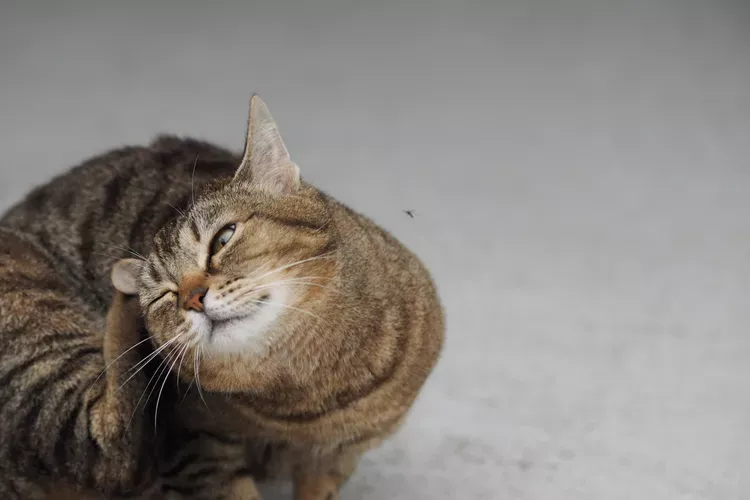
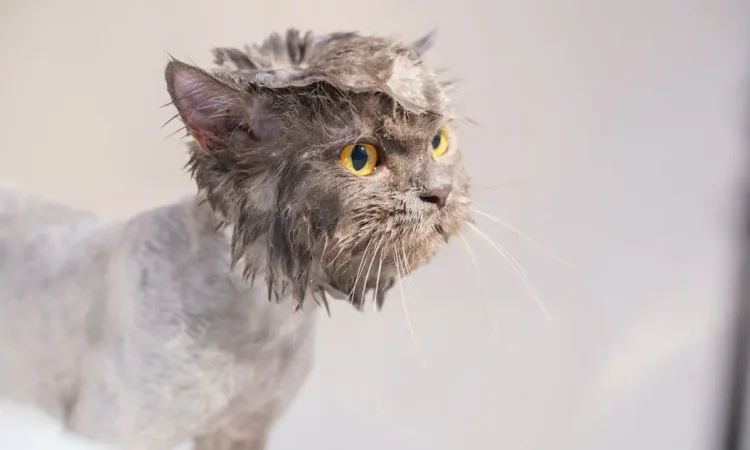
Cats are experts at maintaining themselves. That's what makes them such popular pets! But despite their singular natures, there are times when your cat may need a little help, even when it comes to keeping themselves clean.
Here, we explore whether it's necessary to bathe a cat, how to tell if your cat needs a bath, and how to bathe a cat without too much tress for you or your pet.
Do Cats Need Baths?
For the most part, no. Cats don’t need baths. They’re very adept at keeping themselves clean and often spend most of their time grooming themselves. That said, there are some instances where your cat could need a hand, such as:
Elderly cats or cats with joint issues— without their great flexibility, these cats may not be able to reach all the necessary places in order to groom themselves properly.
Breed-specific needs— Some cat breeds, such as the Persian or Himalayan, will likely need bathing in order to maintain their fluffy coats. Hairless cats, like Sphynx cats, also need weekly bathing to prevent the build-up of oils on their skin.
Medical reasons — Cats with skin conditions, like ringworm or fleas, will likely need a bath with a medicated shampoo to help their condition. Cats may also need to be bathed in order to clean a wound from either surgery or a fight.
Obesity — If your cat is overweight, it’s likely going to be hard for them to groom themselves entirely, especially near their back end, making for some sanitary issues if you don’t intervene.
Regardless of the reason, cats may need bathing from time to time, but it’s best only to bathe your cat when they really need it. Baths can be stressful for cats as many of them have an instinctive dislike of water or getting wet in general.
How to Tell if Your Cat Needs a Bath
While some experts suggest bathing your cat every 4-6 weeks, this is only necessary for cats that struggle to clean themselves or those with a penchant for getting mucky. Most cats can go months or even longer without needing a proper bath and are all the happier for it.
If you’re wondering if now is the right time to give your cat a bath, consider the following:
Is your cat’s fur clean? Are there any signs of debris, dirt, or oils in your cat’s fur?
Do they smell? Do you think there’s a chance they’ve rolled in something or have had a bathroom incident?
Is their skin in good condition? Are there any signs of flaking, inflammation or parasites?
Is their fur in good condition? Are there any signs of mats or dullness?
If you’ve answered yes to any of the above, then chances are it’s time to get your cat in the tub.
How to Bathe a Cat
At first glance, bathing a cat sounds like an impossible task. This is because cats are solitary and independent animals who don’t much appreciate being made to do things they don’t want to, such as getting wet. They also don’t like the loss of control a bath poses for them, not being able to escape or leave when they want to.
This is why it’s so important to take the time to acclimatise your cat to the idea of baths.
Before the Bath
Bathing a cat isn’t as simple as popping them in and hoping it all goes swimmingly. It requires a lot of patience to help your cat acclimate to the bath and understand that they’re not in danger.
Firstly:
Trim your cat’s claws — This is for everyone’s benefit. Your cat will be more stable against the surface of the bath, and they won't be able to scratch you if they try to get away.
Introduce your cat to water slowly — have a bit of water in the sink or bottom of the bath and entice them to investigate with toys and reward them with treats to gradually build up good associations with water.
Pick your shampoo — Make sure to choose a shampoo for cats that meets their needs. If you’re bathing a cat with fleas, pick a cat flea shampoo. If you’re bathing a cat with sensitive or flaky skin, choose a cat shampoo for itchy skin.
Be patient — It’s highly unlikely your cat will let you bathe them on the first, second or even third try. Just be patient, let them escape if they need to, and be sure to reward all good behaviours.
Once you’ve mastered the above, it’s time to get things ready for your cat’s first bath. You’ll need the following:
Your chosen cat shampoo (never use a human or dog shampoo on cats as they’re not suitable for their skin and coat)
A brush or comb
A small jug or plastic cup
Towel(s)
A small washcloth or pet-friendly wipes.
Plenty of cat treats
Bathing a Cat
Make sure your cat is calm when you attempt their first bath. Cats that are too irritable or alert are unlikely to sit still long enough for you to bathe them. Aim for a time when they’re mellow or tired, like just after a nap.
Once you’ve picked the time and have all the necessary tools in hand, the only thing left is to get them in the bath.
Brush your cat’s fur to remove any dirt or debris that might be caught in it and any mats in long-haired breeds.
Fill the bath with a small amount of warm water. Too much water can cause more unnecessary stress, so the shallower, the better.
Use the jug or cup to wet your cat gently, being careful to avoid going higher than their neck. This is to prevent water or soap from getting into your cat’s delicate ears.
Use a small amount of the shampoo and massage it into your cat’s fur, right down to the skin.
Rinse your cat with water, making sure all the shampoo is gone.
Clean your cat's face with a damp washcloth or pet-safe wipe, taking extra care around their eyes and ears. (You can learn how to clean your cats ears in our blog.)
Wrap your cat in a clean, dry towel and rub them gently to help dry off.
Reward your cat throughout.
Once your cat is mostly dry, be sure to reward them with plenty of treats and praise to encourage good behaviour at bath time.
While you may not have to do it as frequently as suggested in this blog, knowing how to bathe your cat without any unnecessary stress is a huge benefit for any cat owner.






Leave a Reply
Your email address will not be published.