




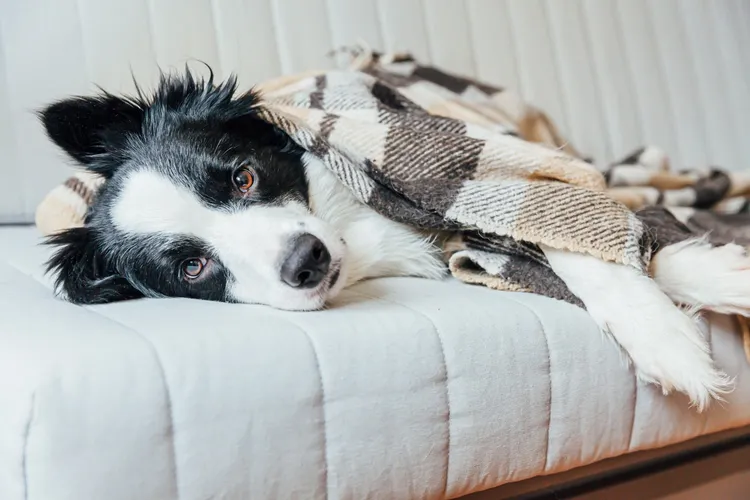




Dogs spend up to 16 hours a day asleep, and puppies even more so. With that in mind, it’s no wonder choosing the best dog bed is such a challenge. With different designs, materials, and benefits available, it’s easy to get lost looking for the perfect snooze spot.
Our guide to dog beds is here to help you understand what dog beds are available, the benefits each kind offers, and which one is best for your dog.

What Type of Dog Bed Should I Get?
The key thing to consider when choosing a new dog bed is your dog and their needs. There are plenty of dog bed options available, whether you’re looking for a dog crate bed, a calming dog bed, or a dog bed for joint trouble.
Below, we look at the most common kinds of dog beds and whether they’re suitable for your dog to doze in.
Dog Cave Beds
Before domestication, our dog’s ancestors slept in dens not unlike wolves and foxes. These underground lairs provided protection, warmth, and an easy escape if needed.
Cave dog beds tap into this natural sleep style, offering a snuggly snooze spot for dogs that love to tuck themselves away to sleep. Designed to look like an igloo or alcove, cave dog beds have a ceiling of sorts made of plush material that allows your dog to nestle down in complete comfort and security. Cave dog beds are ideal for smaller dogs, those who love to sleep curled up in a ball, and dogs who need a little extra warmth.
While cave beds are typically available in a range of sizes (including for big dogs), they may not be suitable for dogs who like to stretch out in their sleep as it may make them feel confined. However, if you have a toy or small breed dog, you may find they fit just as well in a cat cave bed as they would a small dog one.

Dog Cocoon Beds
Similar to cave dog beds, cocoon beds are a soft and snuggly treat for any dog that likes to curl up nice and warm with a blanket. Made similarly to human sleeping bags, cocoon dog beds, like this Ancol® Super Plush Sack Pet Bed, provide a safe and cozy retreat for dogs needing a little more warmth or support.
Cocoon dog beds are often better suited to small and toy dog breeds who can really burrow themselves inside but could also be great for single-coated medium dogs who need a little extra warmth when winter comes.
Donut Dog Beds
We all have days where we’d rather the comfort of our own bed to the outside world, and dog donut beds make the perfect pick. Composed of a fixed central cushion and surrounded by added cushioning for dogs to rest their heads, donut dog beds are great for dogs who like to sleep with security and support.
Being surrounded by softness is great for dogs who like to curl up. These calming dog beds offer dogs the opportunity to sleep in the den-like safety of their ancestors, with the raised edges providing gentle pressure like a constant hug.
Donut dog beds are perfect for anxious dogs who need a safe place to sneak off and snuggle down, or for dogs who need a little extra joint support, particularly around the neck in the head. Available in sizes to suit any dog breed, donut dog beds are a great everyday option for most dogs.

Orthopedic Dog Beds
Some dogs need a little more support when they sleep, which is where orthopedic dog beds come into play. Designed for dogs with aches and pains, orthopedic dog beds are often made from blended memory foam or with a memory foam topper that supports your dog where they need it most, providing even weight distribution to ease the pain from joint issues common in large or senior dogs.
Available in a variety of styles, orthopedic dog mattresses make a great addition to dog crates in the home or while traveling, or you can choose an orthopedic donut dog bed to offer them a soft place to rest their head while they snooze.
These dog beds are open, preventing overheating, so your dog isn’t tempted to get up and sleep on the cold floor to cool down, and the denser foam makes getting up easier for dogs with stiff joints.
Mattress Dog Beds
Some dogs are too big for beds when they stretch themselves out, which is where dog mattresses can be a game changer. These simple beds are typically made from a single piece of foam with a cosy cover or are made like pillows stuffed to capacity with soft cushioning.
Mattress dog beds are the perfect pick for larger dogs, particularly those that roll and stretch in their sleep, offering constant support no matter which way they twist and turn.
Plus, dog mattresses often follow a similar shape and sizing to dog crates, so you can transform your dog crate into a soft, secure little den for them to sleep away the day after long walks.

Waterproof Dog Beds
Your dog's bed will likely be their go-to spot after exercise so they can rest up and be ready for the next adventure. However, not all dogs are great at staying clean, and you can’t always catch them before they jump into bed.
By choosing a waterproof dog bed, you can rest assured your dog can stay comfy without having to constantly clean the bed. The soft innards of these beds are protected by a durable, waterproof, removable cover that can be chucked in the wash or hosed down outside to keep it clean.
Waterproof beds, like this Ancol® Sleepy Paws® Waterproof Flat Pad Dog Bed, are perfect for dogs that are always on the go, even when they’re not. Sturdy and portable, these dog beds are ideal for the home, garden, and even the car.
Dog Crate Beds
Crate training is a popular method for training dogs and puppies that, when done properly, provides dogs with a safe, comfortable space where they can retreat to help reduce anxiety and prevent certain behavioural issues. But who says crates can’t be cosy? Not us!
Adding a dog crate bed or dog mattress can help make your dog’s crate into a comfortable haven that they’re happy to retreat to. Plus, if your dog is prone to stress or anxiety, you can also introduce dog crate bumpers, like this Danish Design Dog Crate Bumper which offers added warmth, padding, and a sense of security, turning your dog's bed into a sanctuary.

How To Choose the Best Dog Bed
Before you choose a bed, you need to make sure it’s suitable for your dog. All dogs sleep in their own unique ways, and the right bed should complement how your dog sleeps, not try to change it. After all, if your dog can’t sleep the way they want to, they likely won’t use the bed offered.
Here are some of the most common dogs sleeping styles and the best dog bed suit them:
The Side-Sleepers – these dogs sleep on their sides and can suit any bed just so long as it’s big enough. Why not check out this Scruffs Alpine Box Bed for Dogs?
The Leaners – these dogs like to sleep with their head slightly propped up, so they will do well with a donut dog bed or a dog bed with high sides like this Petface® Oval Dog bed.
The Sprawlers – these dogs like to sprawl and stretch their legs to the limits when they sleep, so they need a bed big enough to accommodate their complete size, so you may need to size up with a dog mattress like this FatFace Deluxe Duvet Dog Bed.
The Snugglers – these dogs curl into little balls when they sleep, prizing comfort and security which can be offered by a dog cave bed, snuggle sack, or donut dog bed like this House of Paws Comfy & Calming Faux Fur Donut Dog.
The Opossum – these dogs like to sleep on their backs with their legs in the air, not unlike an opossum playing dead, so are suited for softer beds that cradle them in place like this Danish Design Snuggle Dog Bed. Just make sure to size up so your dog doesn’t fall off or out when they come back alive.

Other things you should consider when choosing a dog bed are:
Your dog’s health – does your dog have any conditions that can be aided by an orthopedic dog bed or calming dog bed?
Your dog’s size – bigger beds tend to cost more, so simpler designs like dog mattresses can be a great pick for bigger dogs that need the space to sprawl.
Your dog’s age – is your bed for a growing puppy or a full-sized dog? Do you want to size the bed for your dog or buy bigger and wait for them to grow into it?
How many dogs will be using it – multi-dog households' typically benefit from at least one bed per dog to prevent competition, or f your dogs like to snuggle together, you’ll need to size up to fit them comfortably.
Regardless of the kind of bed you buy for your dog, it’s important you pick one that they’ll like! Make sure you put your dog’s bed somewhere warm and draft-free or have multiple beds in different spots if your dog likes to sleep close to you.
Dog Bed FAQs
Why Do Dogs Dig in Beds?
There are a number of reasons why your dog might dig in their bed before they settle down.
Domestic dogs are descended from wolves who often dig out their dens in the wild to ensure they’re creating safe, enclosed space to sleep. Some dogs may mimic this behaviour, even now, to help them settle before sleep. It’s in their nature.
Another reason your dog might dig in bed is to spread their scent around and mark the spot as their own. Dogs have scent glands in their paws, so if the bed has recently been washed, your dog may be trying to get it smell like them again.
Do You Need to Wash a Dog Bed?
Yes, dog beds do need to be washed, and there are multiple benefits to cleaning your dog’s bed regularly, including:
Removing allergens that might build up, such as dust, dander and dust mites which can exacerbate a dog’s allergies.
Removing parasites like fleas, their eggs, or their larvae that may have dropped off your dog’s coat onto the bed, increasing the risk of re-infestation.
Prolonging the life of the bed since continual buildup of dog hair, oils, odours, and residue can damage the integrity of the bed, making it wear out sooner.
Preventing the spread of diseases, particularly in multi-pet households where bacteria or viruses can build up in beds that are then shared by other, healthy pets.
How to Wash a Dog Bed
Every dog bed is different, not just in style, but also in how frequently it needs to be cleaned, and how to go about it. Every bed you buy will have washing instructions either in the packaging or on the bed label. Always check the manufacturer's instructions before washing a dog bed.
Generally speaking, you can clean your dog’s bed by:
Remove as much pet hair from the bed as possible either with a vacuum or pet hair lint roller.
Put the bed in the washing machine with pet-safe detergent.
Leave to air dry.
If your dog's bed has a removable cover, you can follow the above steps with just the cover.
If your dog’s bed can’t go in the washing machine and doesn’t have a removable cover, you may need to clean it in the bath or in a large outdoor container (like a kiddy pool) that can hold it.
To do this:
Place the bed in the bath/container with warm water and a pet-safe detergent.
Knead soft beds continuously to flush out dirty water or scrub plastic covered beds with a sponge.
Empty the dirty water and rinse the bed until the water runs clear.
Leave to air dry.
Should a Dog Sleep in Bed With You?
At the end of the day, where you allow your dog to sleep is down to you. Some owners enjoy the sense of companionship having their dog with them provides, while others like the security of a light sleeping dog in the room to alter if anything is out of the ordinary. Besides, who can resist the early morning snuggles?
However, it’s important to understand that dogs follow a different sleep schedule for humans, and so are more likely to wake up, shift, or move at night, which can disturb light-sleepers. Dogs with certain behavioural issues (such as resource guarding) may not be easy to sleep with if they get defensive of “their spot”.
Dogs are adaptable animals, it’s how they came to become our companions, after all. If having your dog in bed with you is too much, don’t feel bad about your dog sleeping somewhere else. You can always compromise by having a nice cosy dog bed in your room, so your dog can still be with you at night without hogging all the space.
Regardless of the type of dog bed you choose, make sure that it's big enough for your dog to sleep in comfortably. If you're looking to upgrade your dog's snooze spot, make sure to checkout our great range of dog beds from top brands like Scruffs, Ancol, and House of Paws.




Leave a Reply
Your email address will not be published.