
Welcoming a new pet into the home is both a joyous and mildly stressful experience, especially when that new pet is a rambuctious kitten.
To help ease your kitten's transition into your home, we've put together this complete checklist of everything a new kitten needs, plus tips on how to welome a new kitten home, so you can focus on how you're going to love and bond with your new feline friend.
Before Getting a Kitten
Kittens can be wonderful pets full of energy that love nothing more than climbing the walls (or curtains, or furniture) and testing their little hunting instincts where they can.
However, a new pet is a big responsibility, even more so if your are raising that pet from a baby. Kittens require a lot of attention and devoted time to help them grow into well-rounded cats, and that starts as soon as your bring them home.
Before setting your heart on a new kitten, ask yourself the following:
Can You Afford a New Kitten?
We're not asking if you can afford the price of a kitten, but if you can afford to raise one.
A kitten is a life-long commitment, and as well as paying for their essentials first time round, you'l also need to be able to afford their ongoing care, including food, preventative healthcare, vet visits and more.
Pet insurance rarely covers the costs of new kitten care, such as vaccinations, neutering, and microchipping, so these expenses will come directly out of your pocket.
Do You Have The Time for A New Kitten?
Cats are known for being relatively independent pets, but not all cats are the same, and kittens are a whole other story.
Kittens need lots of care and attention as they grow, and due to the small size of a kitten, you'll want to have eye on them during the first few weeks to ensure they're not getting stuck anywhere or playing with things they shouldn't be.
While you can let cats outdoors to do their own things once they're old enough (at least 2 weeks after their last vaccination) that still leaves a couple of months where your kitten will be purely inside and will need someone home to ensure they're safe and to gradually get them used to being left home alone.
Can Your Home Accomodate a New Kitten?
Cats like to have their own space, not just for while they're settling in, but also to have somewhere to retreat to and relax.
You'll need a space where your kitten can acclimate to their new home, while also having enough space for all their essentials.
It's also important to bear in mind that if you're planning to let your cat out, you'll need to provide safe access to the outdoors with a cat flap. If you're planning to keep your kitten as an indoor cat, you'll need to provide toys, games, and enrichment to keep them active and prevent them getting bored.
If you have pets already in the home, it's important to consider how weloming they would be to a new kitten. Kittens are small and can be easily injured by aldut cats and especially dogs when they're young, so you'll need to find a way to let both parties have their own space.
When bringing home a kitten, you also need to ensure your home is properly cat-proofed, which you can learn more about in our guide.
Have You Done Your Research?
Every animal has it's own requirements for care that you will need to meet as their owner. For cats, this means understanding their nutritional needs, exerise and enrichment needs, and also being aware of what veterinary care they need.
No two cats are the same either, so it's important to have an understanding of cat care in general, but also for the cat you're planning to get. Longer-haired breeds will have specific grooming needs that must be met, while high-energy breeds like Bengals will need a way to exert all that energy in a productive and non-destructive manner.
It's also worth understanding why some people choose to keep their cats indoors, and whether this is something you're willing to do since some cats breeds or cats with special needs (such as blind cats, deaf cats, or cats with Cerebellar hypoplasia (wobbly cat syndrome) must be kept indoors.
If you’ve had a think through all of these questions and the answers are all pointing to yes, then perhaps it’s time to get your house ready for your new kitten and go out there and find your new best friend!
New Kitten Checklist
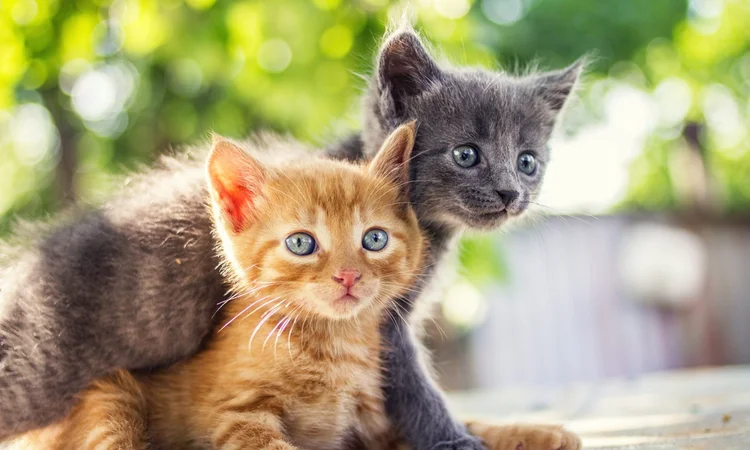
Before you bring your new kitten home, it's important you have all the kitten care essentials ready for them. Here are the key things that should be on your new kitten checklist:
Cat Carrier—A good cat carrier is an esential bit of kit for any cat owner. You'll use this to bring your new kitten home and for all their vet visits going forward.
Food & Water Bowls—There are a variety of cat bowls available depending on how your cat eats, but for a new kitten any shallow dish will do for food and water.
Kitten Food—Kitten's need different nutrients to adult cats in order to support their development and help them grow into healthy cats. Make sure you choose a high-quality kitten food that meets their growing needs.
Kitten Treats—Not all cat treats are suitable for young kittens, so make sure you stick to kitten-safe treats. These are great for training, rewarding good behaviour, and distracting cats during times of stress.
Cat Bed—We all need a safe, cosy spot to lay our head down, and kittens are no exception. There are various cat beds available that work great for kittens, they just need some time to grow into them.
Litter Tray & Litter—Young kittens can't go outside right away, so cat litter is an essential to prevent bathroom accidents in the home. Make sure you have a shallow cat litter tray that your kitten can get in and out of easily and a cat litter that works for your needs.
Kitten Toys—Kittens are bundles of energy, little hunters in the making. Make sure you provide plenty of kitten toys for them to chase, bat, and stalk to keep those instincts sharp.
Cat Scratching Furniture—Scratching is a natural behaviour in cats to keep their claws sharp, so make sure you have a cat scratching post or some kind of cat scratching furniture available to them or they'll find something else to scratch.
Cat Grooming Essentials—Even kittens need some grooming, and by introducing them to things like claw clippers and dental care, you can help them grow into a tolerant and healthy cat.
Cat Calming Pheromones—Kittens are typically taken from their mother and litter mates at 8 weeks old, which can be very confusing and stressful for them on top of adjusting to a new home. Using a cat calming aids like those from Feliway can help your kitten feel more at ease as they adjust to their new life.
Once you have all of your kitten's essentials, it's time to set them up ready for your new arrival. Make sure to find a quiet space where your kitten can be alone to settle in, like a spare bedroom or office.
Bringing Your New Kitten Home
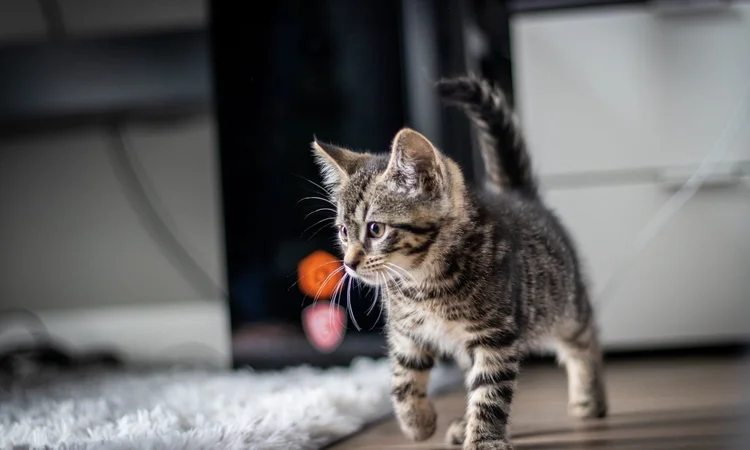
Bringing home a new kitten is exciting, but you need to consider the stress being separated from their mother and littermates can have on a kitten. If this is your first time bringing home a kitten, make sure to follow these top tips for welcoming a new cat home:
Have all your kitten's things set up and ready for their arrival—if you're using calming aids, make sure they have been plugged in at least a week before your kitten is due to arrive. Also ensure that your kitten's food and water bowls are set up on opposite sides of the room since most cats don't like to toilet near where they eat or drink.
Let your kitten come out of the carrier at their own pace—Place your kitten's carrier in the room you've set up for them, open the carrier door, and then leave the room. There will be plenty of time for cuddles and playtime later, but for now, your kitten needs time to adjust.
Be patient with your kitten while they adjust—all kittens are different, but to make the transition as smooth as possible, take things at your kittens pace. If you stop in to check their food and water and they're climbing of rubbing themselves on them, then they likely want affection. if they are hiding or showing signs of distress in cats, leave them alone a little longer.
Gradually let them explore—Once your kitten is comfortable in their own room and showing signs of wanting to explore (such as sniffing around the door, meowing, or being curious about their aurroundings) then let them venture out, but limit where they can go so as no to overwhelm or frighten them.
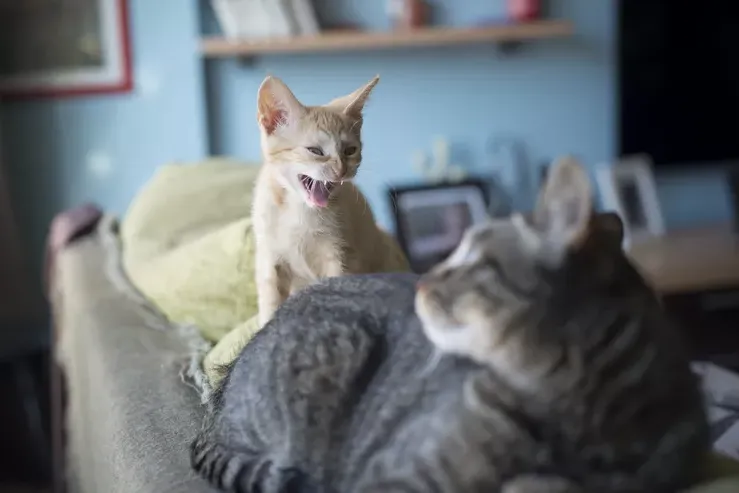
Save introductions with other pets until last—if you have existing pets or children in the home, try and wait until your kitten is settled before introducing the two. With other pets, make sure to take steps like scent swapping and using a barrier to keep them seperate and safe while getting used to one another.
Every kitten is unique with their own temperment and will move at their own pace. Don't try and force your kitten to interact or explore if they're not ready. This can cause futher stress and create negative associations that can impact your cat well into adulthood.
New Kitten Vet Checklist
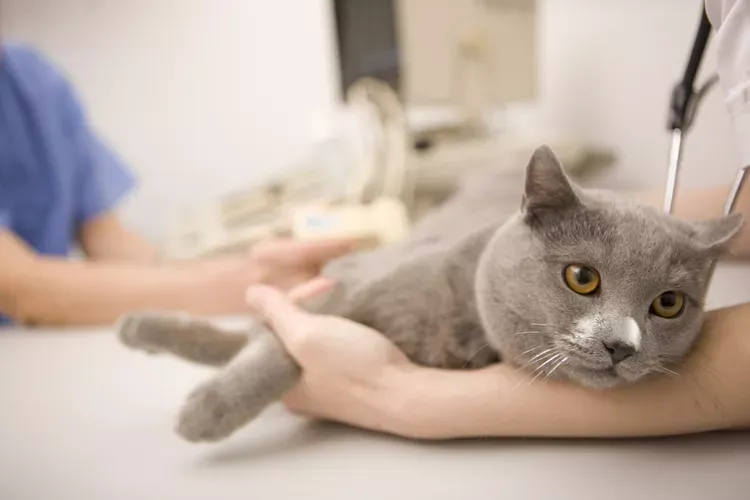
Young kittens require frequent trips to the vet in their first year of life. These vet visits are essential to maintaining your new kitten's health and monitoring their growth and development.
Below, we break down the key vet visits your kitten will need:
Initial health check—Any new pet should be examined by your vet as soon as possible after bringing them home. Not only does this help your kitten get used to being at the vets, but also gives you peace of mind that your kitten is happy and on track to be a healthy cat. This is also a great chance to ask about kitten flea and worming treatments.
First Vaccination—Kittens can start their primary course of vaccinations at 9 weeks old. This initial injection is to protect them from conditions like cat flu, feline infectious enteritis and feline leukaemia virus.
Neutering—It's recommended that kittens are neutered around 4 months old (16-17 weeks) since this is how old female kittens can become pregnant. Neutering your kitten as soon as possible helps prevent unwanted litters and also benefits your cat in various ways, such as preventing certain cancers and potentially helping to lessen hormone based problems, such as urine marking and roaming in male cats, and fale pregnancies in females.
Microchipping—By law, all cats in the UK must be microchipped by the time they are 20 weeks old or owners can face a fine of £500. Microchipping isn't too expensive (£25 on average), and can often be done alongside your cat's vaccinations or neutering to save on consultation fees.
Second Vaccination—Kittens second vaccinations should be administered three months after their first vaccination. If your kitten was vaccinated at 9 weeks, their next one should be due when they're 30 weeks. Their second jab is essential to ensure they are protected from various health condtions and kittens can only be let out 2 weeks after their second jab.
If you've adopted a kitten from a rescue, it's likely that the centre will cover the costs of these vet appointments or will have completed the necessary treatments before the kitten can come home.
Please bear in mind that these procedures and vaccinations are often not covered by pet insurance and are classed as preventative healthcare. If you're looking to save money, a pet plan can help manage the cost of these vet trips. Make sure you have a pet insurance policy for your new kitten just in case.
We hope this kitten checklist gives you all the guidance you need when preparing for your new kitten to come home and helps you enjoy your journey with a new kitten.






Leave a Reply
Your email address will not be published.