




Key Takeaways
Puppies can itch for various reasons, including fleas, dry skin, ear mites, mange, allergies, and ticks.
Diagnosing the underlying cause of a puppy's itching often requires a veterinarian's assistance to check for parasites, infections, or allergies.
Treatment may involve medications for parasites, supplements for skin health, and changes in diet or environment.
Prevention methods include regular parasite control and dietary supplements to maintain healthy skin.
There can be a number of reasons why a puppy may itch or scratch at itself. Puppies can simply get an itch as people do but if there is regular scratching going on a puppy may need a little help. Knowing what to look for if your puppy is always itchy will help you help your puppy to permanently scratch that itch.
Reasons Why a Puppy Is Itchy
When there is some sort of irritation to the skin the urge to itch or scratch soon follows. Some causes of itching are easy to find, others take a little more investigation.
Fleas: Puppies can get fleas very easily. Fleas can jump from the grass or other outside surface and onto a puppy as well as off of one dog onto another. They rapidly reproduce and feed off of puppies by biting them, which is very irritating. Puppies may itch and scratch when the fleas bite and some puppies may also have a flea allergy which only makes things worse because they may develop flea allergy dermatitis. Fleas can be hard to spot until there are a lot of them but can be seen running through a puppies fur or their feces, called flea dirt, are often found first.
Dry skin: Some puppies live in low-humidity or dry environments and this can lead to a lack of moisture in their skin. If the skin is too dry it becomes itchy and puppies will scratch at it. Poor diets or diets lacking in adequate Omega-3 fatty acids may also contribute to dry skin in puppies.
Ear mites and infections: Itching and scratching due to ear mites will be isolated to the ears because this is where ear mites live. Ear mites are loud since they are inside the ear as well as irritating because they are moving around and feeding. This is why a puppy will scratch at its ears if it has ear mites. Dark and dry ear debris is typical in a puppy that has ear mites. Infections of bacteria and yeast inside the ear canal can also be irritating and cause a puppy to itch. These commonly occur after the ears get water in them and don't dry out.
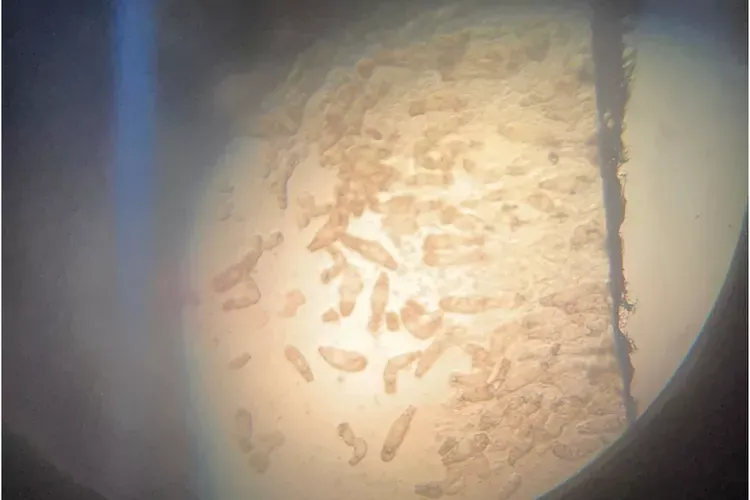
Mange: There are a few different types of mange mites that can affect dogs but demodectic mange and sarcoptic mange are two of the most commonly seen. These microscopic parasites live in the skin of a puppy and cause hair loss along with itchiness.
Allergies: While food allergies are actually quite rare in dogs, some puppies will have allergies to things in the environment as well as things they eat. If a puppy is exposed to something it is allergic too it may itch.
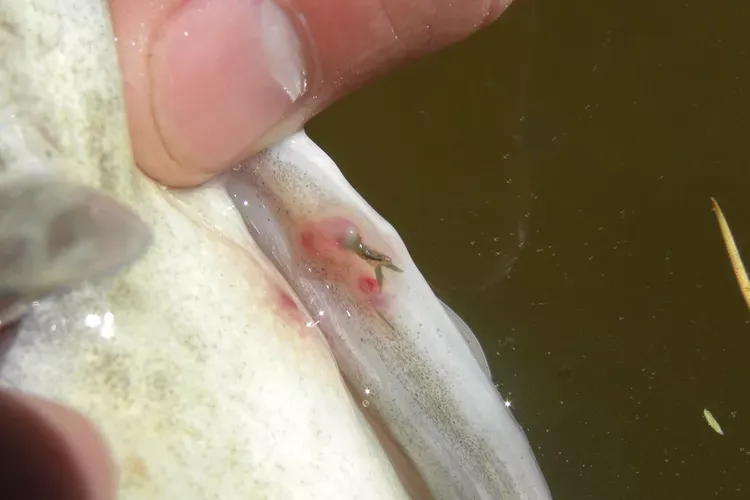
Ticks: If a tick bites a puppy the puppy will most likely itch at that spot until the tick is removed. Ticks can latch onto a puppy if a puppy is walking in tall grass or wooded areas.
Diagnosing the Cause
If you don't see any obvious parasites on your puppy then a veterinarian can help you aid in finding the reason for the itching. Sometimes simply tests need to be performed to find any skin or ear parasites and other times a discussion about nutrition and environment will discover the underlying reason for the itching. For allergy concerns, there are blood, saliva, and skin tests available to help discover whether or not a puppy is allergic to something but they are not very accurate. Ruling out a specific thing in a diet or household, such as a certain meat protein or feather pillows, is usually the best to determine what a puppy is allergic to.
Treatment
If the reason for the itching is due to a parasite, medications will be prescribed to kill off the intruders. Other medications such as antibiotics, steroids, and anti-inflammatories may also be needed to help soothe a puppy's symptoms or treat an infection. Sometimes adding in a supplement to improve the skin condition, changing the diet, or avoiding allergens is needed to treat the reasons for itching that aren't due to parasites.
Prevention
Using regular preventative medications to kill off fleas, mange, ear mites, and other parasites will help keep your puppy from scratching due to an infestation. If parasites are already under control then Omega-3 fatty acids from fish oil along with probiotics are good supplements to add to a puppy's diet to help keep their skin healthy and itch-free.
If you suspect your pet is sick, call your vet immediately. For health-related questions, always consult your veterinarian, as they have examined your pet, know the pet's health history, and can make the best recommendations for your pet.






Leave a Reply
Your email address will not be published.