


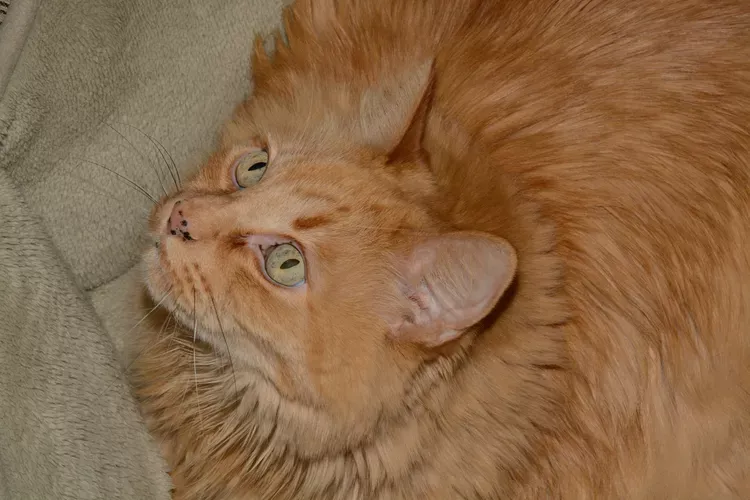



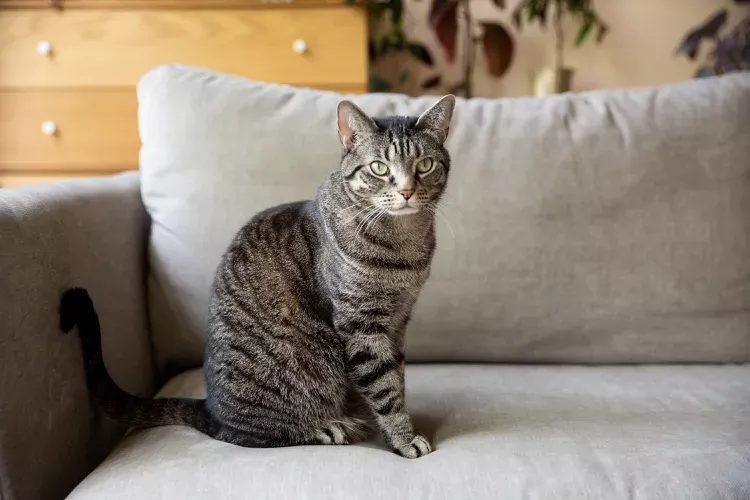


Cats are elusive and peculiar pets at the best of times, especially those who spend most of their time outside. However, one thing many new cat owners can become confused by is a cat's habit of finding the smallest possible space to squeeze into and hiding there.
This blog discusses some of the main reasons your cat is hiding and what you can do to help.
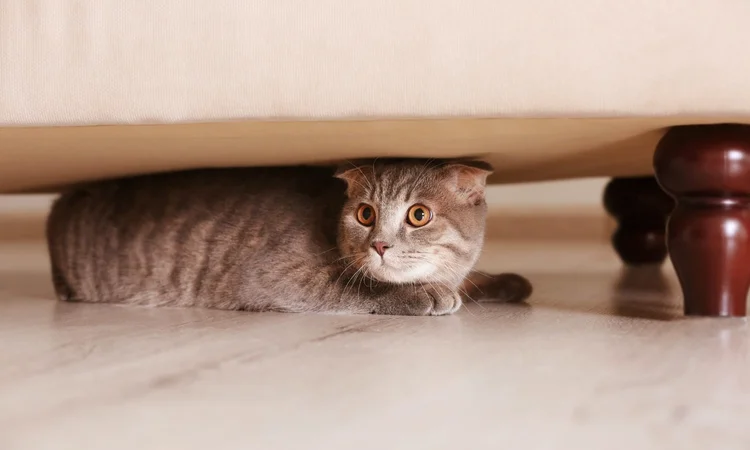
Why Do Cats Hide?
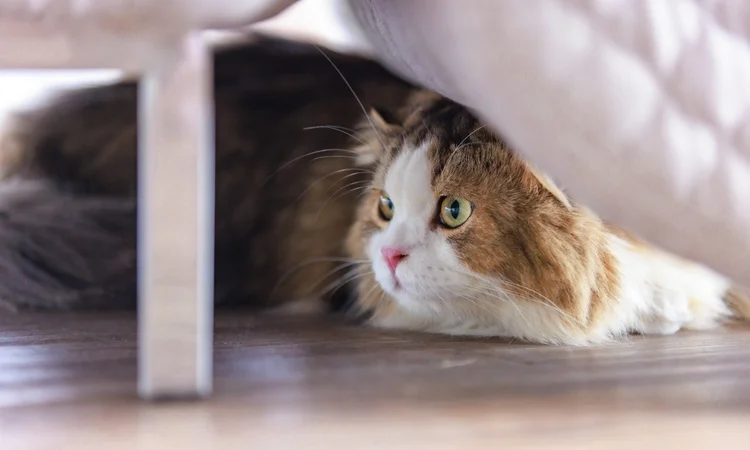
Cats feel most safe when they are in small and enclosed spaces, which is why many cat trees and hideaways include small spaces they can squeeze their way into to relax or hide. In other cases, cats hide under beds, on top of wardrobes or in other spaces they can find.
While cats feel safest and most secure when they’re in a small space, there are a number of reasons your cat may be hiding, including:
They feel threatened or agitated
They are trying to find somewhere warm or quiet to nap
They are feeling unwell
They are afraid
They are feeling playful and waiting to pounce
It’s important to remember that just because your cat is hiding, it doesn’t necessarily mean that something is wrong.
Some cats simply like to hide somewhere quiet and secluded while they nap, even if that spot is under your bed.
Why Do Cats Hide When They Are Sick?
Like many other animals, cats hide when they’re sick to protect themselves. This is likely an evolutionary trait that has survived the years, and your cat is hiding to ensure no predators or threats can get to them while they’re vulnerable.
If your cat is hiding more than usual, it’s essential to determine if an illness is the cause. Illness in cats is usually accompanied by other symptoms, depending on the disease, such as:
Other behavioural changes (not playing, lethargy, etc.)
Changes in their appetite
Vomiting and/or diarrhoea
Changes in skin and coat conditions (flaky skin, hair loss, over- or under-grooming, etc.)
And more.
If you think your cat is sick, it’s crucial that you have it seen by a vet as soon as possible.
Cats may hide or downplay their illness to avoid appearing weak, so it’s important to have them checked. Many conditions are easier to treat when caught early.
Why do New Cats Hide?
As we’ve established, cats hide to help themselves feel more secure. This is why when you bring a new cat home, they’re likely to dart under the first piece of furniture they can find.
This is perfectly normal. Cats are creatures of habit and can be easily overwhelmed by sudden changes to their environment. Even things as mundane as travelling in the car can be enough to worry them.
If your new cat is hiding, the best thing you can do is leave them alone and shut off any other traffic into the room where it’s hiding for a period to allow it to settle.
It's also recommended that you set up a space for your new cat away from the rest of the home for the period it’s adjusting and employ a cat anxiety aid such as the Feliway Optimum to help it feel safe.
How Long Will A New Cat Hide?
It is difficult to know how long your cat will hide, as it depends entirely on its individual temperament.
Some cats hide for a couple of hours, while others may hide for days or even a week or two before they feel comfortable coming out to explore.
Try to be patient. A cat's first time in a home can be stressful, but they’ll come out when they’re ready.
Where Should You NOT Let Cats Hide
Most of the hiding place a cat chooses will be relatively harmless for them and so they should be left to spend as much time there as they need without intervention. That said, there are some parts of the home where you shouldn’t let your cat hide for their own safety, including:
Washing machines or dryers
Under cars or in car wheel arches (this is a popular spot for outdoor cats, so you should always check your car's wheels before driving if you have a cat)
Garden sheds, especially ones with chemicals or tools as they can be dangerous to your cat
Air vents or chimneys
Wood-burning stoves
The best way to prevent your cat from hiding in any of these places is by restricting their access from the get-go so they aren’t tempted.
You can do this by either keeping your pet away from that particular room, by putting up barriers, or by offering them safe alternatives like cat hideaways, tunnels or even a cardboard box.
How to Get a Cat Out of Hiding
Once a cat has found a hiding space, it can be hard to draw them out of it. It’s their safe space, after all.
However, if your cat has chosen somewhere unsafe to hide, getting them out as quickly and safely as possible is necessary. You can do this by:
Speaking to them in a calm and soothing voice
Offering treats or food
Offering toys
It’s important that you don’t try and physically drag a cat out of hiding as this can result in injury to both your cat and you as well as causing a lot of unnecessary stress. If you’re concerned about your cat hiding, try and be patient. Many times, cats will come out in their own time if they’re left alone.
It can be very stressful if your cat is hiding, especially if you think they might be ill, but it’s important to remember this is a perfectly natural behaviour, and, more often than not, your cat will come out on their own terms.






Leave a Reply
Your email address will not be published.