






Anyone who owns a dog or who has been around one for longer than ten minutes knows that most of the time, they’ll eat anything! So, it’s understandable why your dog suddenly going off their food would be worrying.
Before you jump to the worst conclusion, there are a number of reasons why your dog might go off their food for a time, and there are also plenty of ways that you can help them get their appetite back. This guide will surely help you figure out why they may not be eating and what you can do when your dog won’t eat.
Why Won't My Dog Eat?
When a dog suddenly loses their appetite, it is often called inappetence or anorexia. While this may sound scary, it’s important to remember that anorexia in dogs is not the same as anorexia nervosa in humans, and can be either partial or complete.
Partial anorexia in dogs is when they are still eating, be it their usual food or treats, but not enough for them to stay healthy. If your dog isn’t eating at all, this is called complete dog anorexia. There is also a third type of dog anorexia, which is referred to as pseudo-anorexia. In this case, your dog wants to eat, but cannot due to another problem.
Before we discuss how you can get your dog eating again, you must know which kind of anorexia your dog is struggling with and what the underlying cause is.

Common Reasons Dogs Won't Eat
There are various reasons why your dog may have lost their appetite, and finding the root cause is the first step to helping your dog get their appetite back. Is your dog's stomach gurgling like crazy? Below, we have compiled a list of some of the most common reasons why your dog may not be eating:
Illness
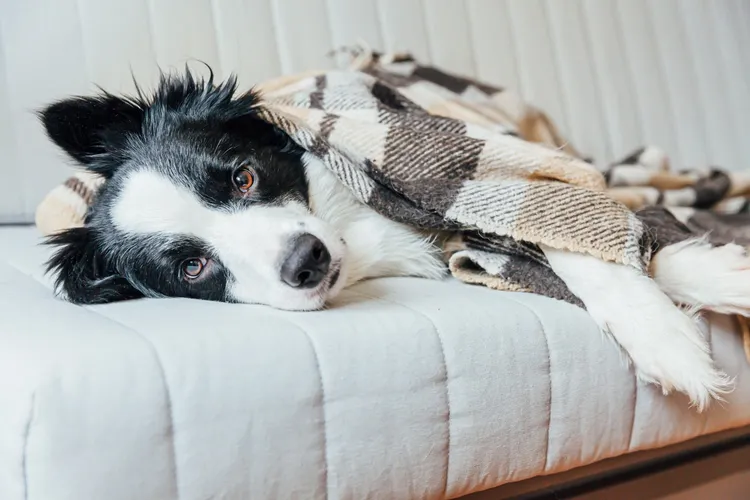
Sometimes, if a dog feels unwell, they may choose not to eat much like humans and instead go for a nap. Depending on the severity of the illness, this can pass within a couple of days, and your dog may be back to normal in no time.
However, your dog may also suffer from a more serious condition affecting their appetite and may even require a consultation with your vet. Suppose you notice your dog has lost their appetite, as well as other common symptoms of health conditions (vomiting/diarrhoea, lethargy, rapid breathing or difficulty breathing, etc.). In that case, it’s important you speak to your vet as soon as possible. The sooner a condition or illness is diagnosed, the sooner your dog can get the treatment they need and return to their old selves.
Medications / Vaccinations
If your dog has just started taking medication or has recently had their vaccinations (usually between 12-24 hours after), you’ll likely see a decline in their appetite. Many medications for dogs, be it for an underlying condition or even a routine worming treatment, often cause a loss of appetite or nausea.
If the treatment is a one-off, your dog will probably return to normal in no time. However, if the treatment is ongoing and you’re concerned your dog isn’t eating enough, speak with your vet about ways to entice your dog to eat or potentially change their treatment.
Parasites
Parasites in dogs, such as intestinal worms or fleas, can cause them to lose their appetite in several ways. Firstly, the parasites may cause physical discomfort or pain, which can make the dog reluctant to eat. Additionally, the parasites may consume some of the nutrients that the dog needs, leading to malnutrition and a decreased appetite.
Parasites can also cause inflammation or irritation in the digestive tract, which can result in nausea, vomiting, or diarrhoea, all of which can reduce the dog's desire to eat. Furthermore, some parasites can release toxins into the dog's body, which can cause a loss of appetite as well.
Overall, parasites in dogs can cause a range of negative symptoms, including a loss of appetite, and it's important to consult with a veterinarian for appropriate treatment. Or, you can browse our range of dog worming treatments here.
Behavioural & Environmental Problems
All animals are sensitive to change, and dogs are no different. Changes to their daily routine can leave dogs feeling anxious or distressed, which can lead to a lack of appetite. These environmental changes could be anything from moving house or staying in kennels to a breakup or loss of a loved one. Environmental factors like temperature or using a different bowl than usual can make your dog feel uncomfortable enough that it doesn’t want to eat.
Some behavioural issues can lead to a dog losing their appetite, including:
They want to eat alone/they only eat with someone in the room
They like to be hand-fed
They are used to having lots of treats or human food
If you think your dog’s lack of appetite is caused by anxiety, there are various dog calming aids available that can help them relax and feel more at home.
Owner Absence
When a dog becomes particularly attached to a human, it can develop separation anxiety. In these instances, the dog becomes incredibly distressed or anxious when its human is away, which can lead to several behavioural issues, such as not eating until its human returns.
It’s important to remember that dogs are pack animals by nature and are most likely to eat when the entire pack is home. If you’re worried your dog isn’t eating while you're gone, try to ensure that you are feeding them at a time when someone is around, or by using a calming aid to reassure your dog when you’re not around.
If you are concerned about your dog not eating when you're gone, you can learn more in our guide to separation anxiety in dogs here.
Fussy Eating
Much like humans, dogs have their preferences when it comes to food textures and flavours. If you have recently changed your dog’s food, then it’s possible they are still getting used to it and aren’t eating. This is why it’s important to gradually change your dog’s food to allow them to adjust to the change at their own pace.
On the flip side, if you have been feeding your dog the same food for some time, they may get bored with it over time. To help keep your dog interested, try feeding them different flavours of the same food or mixing it up, whether your dog gets wet or dry food.
Dogs may also choose not to eat the food if it’s spoiled, either from being left out too long or because it’s past its best-before date. Always ensure you give your dog fresh food and clean their bowls regularly, especially if they are on a predominantly wet diet, as this can attract insects and other bacteria. Some dogs are naturally picky eaters, so it can take some time to find a food they accept, but don’t let that discourage you! If you’re struggling to find the right food for your dog, why not read our guide on how to find the right food for your dog?
Time of Day
As we’ve mentioned, dogs like routine. This may mean that they like to eat at a certain time of the day and offering food earlier or later doesn’t appeal to them. While this may seem like a nuisance, it’s nothing to worry about. Just make sure that your dog is being fed at their preferred time, and you should see them chowing down in no time!
Solution for Loss of Appetite in Dogs
Finding the right solution to your dog’s appetite problem will depend heavily on what the root cause is, and some of these are much easier to solve than others. Here are some solutions on how you can get your dog eating again.
Solving Medical Reasons
If your dog’s problem is medicine or illness-related, the best course of action is to seek the professional advice of your vet. There are, however, some ways that you can help try and spur your dog’s appetite while you wait for your appointment, such as:
Warming up your dog’s food in the microwave - with wet food, this can release the aroma of the food and make it more palatable to dogs.
Pour chicken broth, beef broth, clam juice, or tuna water over the food to make it more appealing — much like warming the food up, this adds a tempting aroma to the food that may entice your dog to eat. If your dog is on a dry food diet, this can also make the kibble easier to eat if they have any pain or condition that affects chewing or swallowing.
Pour warm water over dry food to make it softer — as we’ve mentioned, this can make it easier for dogs to chew or swallow their food.
Feeding your dog dry food if they usually only eat wet food or vice versa — sometimes offering something new is just the ticket to get your dog eating again. Or, why not try mixing both wet and dry food together to see if your dog shows more interest?
Try hand-feeding — dogs are pack animals and typically social eaters. If your dog is experiencing anxiety about recent changes or is uncomfortable in their current situation, having their human hand feed them can be just the encouragement they need to eat again.
In serious cases, your vet may suggest prescription medication for your dog to encourage their eating.
If you think an underlying condition is a cause for your dog not eating, you should always speak with your vet and get a full and proper diagnosis, especially before making any changes to their diet or lifestyle.
Solving Food-Related Issues
If you think your dog’s loss of appetite is food-related, rather than condition or illness, then there are some simple things you can try before consulting your vet. Here are some examples of food-related issues and potential solutions:
You’ve switched to a new food — Make sure you make this change gradually and give your dog time to adjust to the new food, rather than making the change in one go.
You’re feeding low-quality food — Try switching to a higher-quality food that is more palatable or appealing to your dog.
If your dog doesn’t like the smell or taste of the food, try different food flavours. Some dogs may prefer certain flavours, such as poultry, while others may prefer meat or fish flavours. By learning your dog’s preferences, you can ensure their food is appealing to them.
Their new food is higher or lower in fat. Try to ensure the new food has the same nutritional value as the previous one, even if you’re switching to a weight-loss diet. Remember to make these transitions slowly to allow your dog to adjust.
You are switching from home-cooked food to kibble or other pet food. Any drastic changes to your dog’s diet should be made slowly to allow your dog to adjust to the new taste or texture. Make sure you start by mixing the old food with some of the new and allow your dog to transition at its own pace.
Your dog’s food is spoiled — Always check the expiry date on your dog’s food and clear away old or spoiled food before adding fresh. Ensure you clean your dog’s food bowl after meals to ensure there is no spoiled or potentially contaminated food in the bowl.
If your dog is bored with its food, try switching it to a new flavour while keeping the same brand so it can experience something new and more appetising.
Your dog doesn’t like cold or warm food — Try to find the temperature at which your dog likes its food. If you are feeding a wet diet, you can try heating it slightly in the microwave to release the aromas betterand make it more appealing to your dog.
If your dog has a food sensitivity or allergy, try finding out what ingredient in its food is causing its sensitivity or allergic reaction.
Treating Environmental and Behavioural Issues
As with food-related issues, there are some ways you can help your dog to eat by making changes that address their environmental and behavioural problems. Some of these solutions include:
Ensuring your dog gets enough exercise and attention— Some dogs will stop eating to get more attention. By ensuring your dog is getting enough attention, you can help dissuade these kinds of attention-seeking behaviours. And, by ensuring your dog is getting enough play time and exercise, you can also increase their appetite as they will naturally want to refuel after spending their energy. If your dog shows no interest in play or exercise, consult your vet, as this can be a sign of illness.
Invest some time and/or money in training — Training your dog offers mental stimulation and teaches discipline. If your dog's loss of appetite is behavioural, an active training regime can help dissuade this, as your dog is getting the attention and stimulation it needs.
Don’t punish your dog for not eating. Be patient and supportive— Punishing your dog for any behaviour you don’t like can negatively impact your dog’s health and your relationship with them, as it can encourage fear responses and anxiety towards you. Instead, always reward your dog for their good behaviour to encourage them.
Only give treats as a reward — The more treats you give your dog, the more they will expect them. By only giving your dog treats as a reward for their good behaviour, you can reinforce the idea that treats are just that: a treat. This can help your dog accept their main meal as food without always wanting treats. You can also try replacing treat rewards with toys so your dog learns that treats are a special reward and not something to be expected constantly.
Avoid giving table scraps — It can be very tempting to offer your dog a little bite of your food when you’re eating dinner, but doing so can easily put your dog off their food as they might think what you’re eating is much tastier. By removing human food from the equation, you can ensure your dog’s appetite is spent on their dinner, not yours. If your dog is prone to begging, try feeding them their dinner in a separate room while you eat yours so they can dissociate your dinner from theirs.
Treating environmental or behavioural issues with your dog can be time-consuming and frustrating, especially when your dog isn’t eating. But, by remaining patient and supportive, there is no reason you can’t help your dog to improve and overall better their quality of life.

Puppy Won't Eat: Here's What to Do
Puppies are usually the biggest eaters out there and are more than happy to consume anything and everything that they can (whether they’re supposed to or not). If your puppy isn’t eating, it’s essential to be patient and remember that they are still adjusting to a new way of life away from their mother’s influence and littermates. When you first bring your puppy home, keep them on the brand and flavour of food they are used to. If you want to switch to a different food, do so slowly and only after your puppy is settled and eating properly.
If you’ve had your puppy for a week or more and they still aren’t interested in their food, here are some things you can try:
Ensure there are no medical reasons why your puppy isn’t eating, such as worms or food allergies. See your vet to rule out or seek advice on these reasons.
Try different types of food and see what your puppy likes and doesn’t like. They’re still young and might not know what they prefer, so try them on different flavours and a mix of wet and dry food to find what they prefer.
Don't give them too many treats, as this can lead to an expectation of getting tasty treats rather than eating their main meals, much like children who fill themselves up on sweets before their dinner.
Take your puppy for regular walks and exercise (once they’ve had all their jabs) or play with them at home. By expending their energy, you can help them build an appetite to replace any energy they have spent.
Establish a feeding schedule for your puppy so they know what time to expect their food, and you can train them to eat at certain times.
Try putting your puppy’s food bowl in different places. Every puppy is different, and sometimes they prefer to eat somewhere quiet by themselves or somewhere you can be nearby. Every puppy is different, and it’s important to know what your puppy likes and doesn't like so you can cater to that where possible.
Try filling a toy with puppy food so that the puppy gets a little taste while they play! You can do this by using puppy food in treat-filled toys like the KONG Puppy Dog Toy.
If you have tried all of the above and still find your puppy doesn’t want to eat their dinner, consult your vet to rule out any underlying medical issues. If you’re looking to find the right food for your new pup, you can view our full range of puppy foods below.

Water Intake When Your Dog Isn’t Eating
If you’ve noticed that your dog isn’t eating as much as you think they should be, then you must keep an eye on the amount of water they consume daily. Like people, dogs can easily become dehydrated if they don’t drink enough water, which can seriously affect their health.
Dogs should drink an ounce of water per pound daily to keep them functioning properly and decrease the chances of dehydration. If you notice that your dog isn’t eating or drinking as much as they should, consult your vet as soon as possible to avoid them suffering dehydration.
Dog Won't Eat But Still Drinking
If you notice your dog is drinking water but doesn’t seem to be touching their food, then it’s possible they have an upset stomach or don’t like the food you are offering. Give them a day or two and keep a close eye on their behaviour during this time. You should also avoid giving your dog any treats or table scraps during this time, as it can further dissuade them from wanting to eat their actual food.
If your dog still isn’t eating after this time, be sure to speak to your vet for their advice.
Dog Wont Eat or Drink
If your dog isn’t eating OR drinking, then you should consult your vet as soon as possible. This is a serious problem and may be a sign of something being wrong with your dog internally that you can’t see. You should also keep an eye out for any signs of dehydration such as vomiting or diarrhoea. If all three of these symptoms are present, then you should call your vet immediately or contact an emergency vet if it’s out of hours.
Dog Eating But Not Drinking
If your dog is eating but they’re not drinking the right amount of water every day, this can be a sign of several health issues, including, but not limited to:
Diabetes
Bladder infections
Urinary tract infections
Kidney disease
If you are concerned that your dog may suffer from one of these conditions, it’s essential to consult your vet for a proper diagnosis.
However, if you give your dog wet food, wet their dry food, or offer them broth or other liquids as part of their meal, then this can also cause them to not drink as much water as they’re getting from their diet. If you are concerned about your dog’s lack of water intake, it is always worth consulting your vet for advice.
More Questions About Your Dog’s Appetite
It is always a worry when your dog isn’t eating as they should or as they previously have been, and you are right to be concerned. However, there can be some simple explanations for this, so you don’t need to imagine the worst immediately. It’s also completely normal for you to have questions regarding your dog’s diet and what is and isn’t normal regarding their appetite. That’s why we have composed a short list of frequently asked questions about your dog’s appetite and diet, which you can see below.
If you notice any sudden changes in your dog’s behaviour or eating habits and you can’t think of a behavioural or environmental reason for them, consulting your vet is the best course of action. They can offer you a proper diagnosis and more thorough, comprehensible advice.
How Long Can a Dog go Without Eating?
Dogs can go anywhere between three to seven days without eating. However, if your dog continues to not eat for more than five days, it could be a sign of something more serious and it is better to consult your vet sooner rather than later.
As mentioned, keep an eye on your dog’s water intake as well. Like humans, dogs can go far less time without water than they can food, so if you notice your dog isn’t drinking or eating, consult your vet immediately.
How Can You Stimulate A Dogs Appetite
A dog's appetite can be stimulated both naturally and by using medications, but only those prescribed by your vet. If you are looking for a natural way to stimulate your dog’s appetite, you can try warming their food to release its aroma, pouring chicken or beef brother on the food to add to the aroma, or offering them something like rotisserie chicken to see if it’s all food or just dog food that they find unappealing.
What can I feed my sick dog that won’t eat?
If your dog is feeling unwell, you shouldn’t force it to eat. Rather, be patient with them and see if they regain their appetite in their own time. If they don’t come around, you can try making their food seem more appealing by using the above methods of broth, warming their food or offering them something bland and vet-recommended, such as bland chicken with rice or meat from a rotisserie chicken.
If your dog still doesn’t eat, you can try hand feeding, which offers comfort as well as food.
My dog isn’t eating but acting normal
So long as your dog is drinking and acting as they usually do, you can wait it out for a couple of days and see if their appetite returns. Dog’s can lose their appetite for a number of reasons, some being as simple as a change in the weather or stress from external factors. If after two days they’re still not eating, it may be worth exploring other reasons or consulting your vet directly.
How to force-feed a dog?
You should never force-feed a dog. However, you can try to stimulate their appetite by making the food more appealing to them by smearing some wet dog food, or meat-based paste on your dog’s lips and letting them taste it.
If you need to force-feed your dog with a needleless syringe as some owners do, make sure you only inject small portions into your dog’s mouth to avoid choking and let them swallow the food by themselves.
Why won’t my dog eat food but will eat treats?
In this instance, your dog may be picky about what it eats or spoiled by too many treats. This can often make the dog much prefer treats to their actual food. You can try switching to a higher-quality, more palatable food or making their food more appealing by adding warm water to release the aromas.
How can I get a picky dog to eat their food?
Picky dogs can be stubborn, but there are ways you can entice them to eat, including:
Offering high-quality and more palatable food.
Ensure the food is at their preferred temperature by warming it up to release the aromas.
Add warm water or bone broth to dry food to add more of an aroma and make it easier to eat.
Decrease the treats and table scraps you offer your dog so they have no choice but to turn to their actual food.
Praise your dog with lots of fuss and cuddles when they eat their food. The positive reinforcement is likely to encourage them to keep eating it.
Exercise your dog through a walk, run, or interactive play before dinner time to encourage their instinct to refuel after spending energy.
While noticing your dog not eating can be a concern (especially for new owners), it’s not an immediate call for alarm. Be sure to monitor their behaviour and water intake to rule out any potential medical issues, or take note of anything in their environment that might be putting them off their food, such as more appealing smells of human food or people being around while they eat. We have a wide range of different flavours, brands, and types of dog food available, which may help.


Leave a Reply
Your email address will not be published.