





Key Takeaways
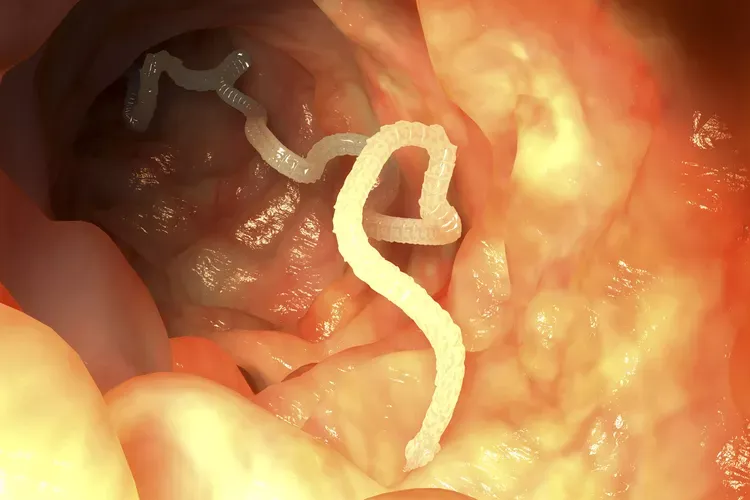
Giardia is a microscopic protozoan parasite that causes giardiasis, a common intestinal disease in dogs, often leading to diarrhea.
Dogs contract Giardia by ingesting cysts from contaminated water, surfaces, or grooming, and it can spread to humans and other animals.
Treatment includes medications like metronidazole or fenbendazole, along with environmental cleaning to prevent reinfection and transmission.
Giardiais a type of protozoan, which is a one-celled organism. There are several species of Giardia, but the type that commonly infects dogs, humans, and other mammals is G. duodenalis.1 Because Giardia can be spread from animals to humans, it is considered a zoonotic disease.
The disease caused by Giardia is called giardiasis, and its most common symptom in dogs is acute diarrhea. Some dogs, however, develop chronic bouts of diarrhea, along with weight loss and occasionally vomiting. Still other dogs do not show any symptoms of infection at all, although they still carry the protozoan and can shed the infection in their feces.
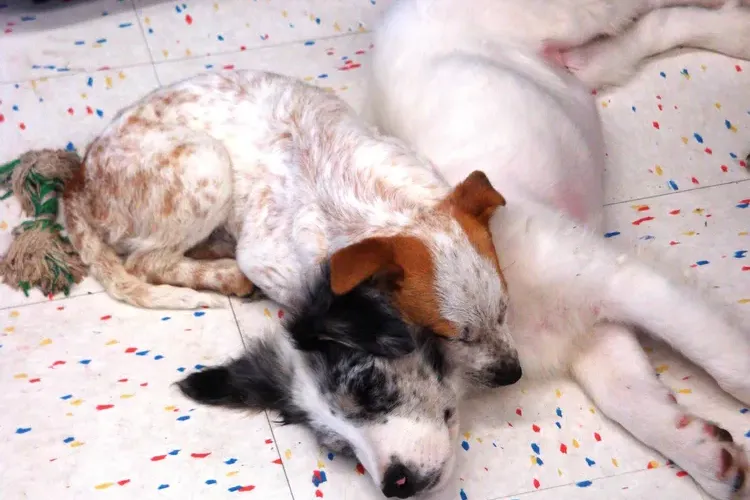
While any dog can develop giardiasis, it is most commonly symptomatic in puppies or young adult dogs. Infection with Giardia is fairly common in dogs. Some studies have detected the organism in nearly 40 percent of shelter dogs.2
What Is Giardia?
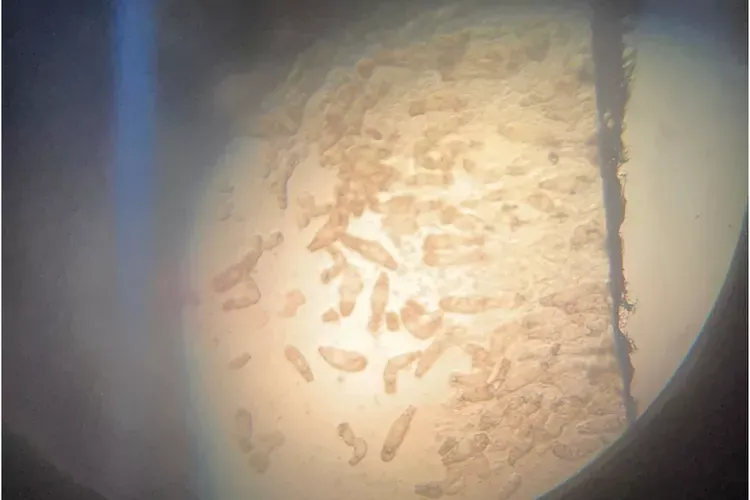
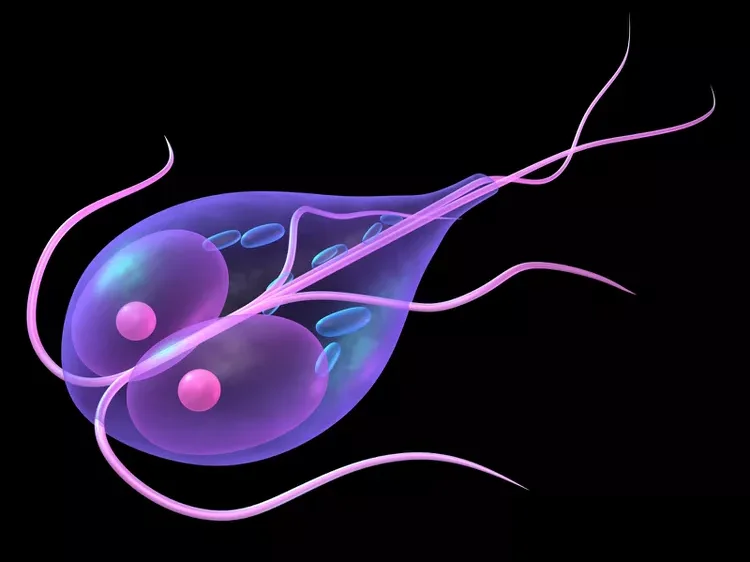
Giardia is not a worm or bacteria; it is a microscopic, single-celled parasite called a protozoan. The organism has two forms: trophozoites and cysts. Trophozoites are the active, feeding form. They have long whip-like appendages called flagella, which enable them to swim throughout the intestines of a host. Trophozoites attach to the walls of the small intestines, causing damage and inflammation that leads to diarrhea and other symptoms.1
Some trophozoites form cysts, which are similar to eggs. These cysts pass from the dog's intestines in its feces. The cysts are the infectious stage of the protozoan's lifecycle. When a dog or other mammal ingests the cysts, it can develop the disease giardiasis.3
Symptoms of Giardia in Dogs
Many dogs with Giardia have no symptoms, but if they do, the most common sign is diarrhea, which may be pale and foul-smelling. Often, the diarrhea has a greenish tinge. In dogs that develop long-term symptoms of giardiasis, other symptoms may also occur.
Symptoms
Diarrhea
Weight loss
Vomiting
Lethargy
Some dogs with giardiasis have occasional bouts of diarrhea, while others have it most of the time. The diarrhea can be watery or just soft piles of stool. Often, it contains mucus and has a greenish tint. The odor is typically worse than normal dog feces.
Dogs with long-term symptoms often lose weight due to the malabsorption caused by the protozoan irritating and inflaming the intestinal walls. These dogs might occasionally vomit, and often are lethargic or appear more tired than normal. Some lose their appetite.
Causes of Giardia
Giardia is shed in the stool of infected animals in the form of cysts, which are immediately capable of causing infection. These cysts can survive in the environment for days to months, depending on conditions. The cysts thrive in cold water, living for one to three months. Viability decreases as water warms. They can survive in cooler soil temperatures for up to seven weeks and for about a week in warmer soil or on surfaces.1
Infection occurs when Giardia cysts are ingested, which can happen when a dog drinks contaminated water, ingests cysts off the ground, or picks them up on its fur and then ingests them while grooming.
Once ingested, it takes anywhere from five to 12 days for the cysts to develop into trophozoites, which then produce more cysts.3 These cysts pass in the newly infected dog's stool, starting the cycle all over again.
Diagnosing Giardia in Dogs
Giardiasis is not as simple to diagnose as some other common intestinal parasites because it is not consistently shed in the stool. There are a few ways Giardia can be detected by a veterinarian.
Direct fecal smear: In this test, fresh stool is mixed with saline and examined microscopically.
Fecal flotation with centrifugation: This test is performed with stool that is mixed with a special salt/sugar solution and then centrifuged (spun in a special machine at high speed). The sample is then microscopically examined.
Giardia ELISA test: This specialized test detects antigens in feces. The test uses a small stool sample and a test kit. No microscopic examination is needed. Most veterinarians can perform this test in-house for fast results.
A combination of tests, often performed using fecal samples collected on different days, may be needed before giardiasis can be diagnosed.3
Treatment
Metronidazole is one of the most commonly used drugs to treat giardiasis in dogs. It's an antibiotic and is also effective for giardiasis. Another commonly prescribed medication for Giardia is an anti-parasitic called fenbendazole. Typically, either of these medications is given to the dog daily for up to 10 days. If the diarrhea persists, your veterinarian may combine the two medications.3
Your veterinarian might also prescribe medications to help with dehydration and nausea, if indicated. Typically, a follow-up stool test will be ordered for two to four weeks after treatment ends to be certain the dog is no longer passing cysts in its stool.3
Prognosis for Dogs with Giardia
Generally, the prognosis for dogs with giardiasis is excellent. Most dogs are not extremely ill with this disease, and if they are properly treated, will no longer pass cysts in their stool. However, dogs with compromised immune systems or very senior dogs may not do as well.3
How to Prevent Giardia
Regardless of the medical treatment used, it is important that you do your best to eliminate Giardia from your dog's environment. This will help prevent other animals (including humans) from contracting Giardia and your dog from becoming reinfected.
Feces should be removed from your yard immediately to minimize the chances of contamination. Scoop the yard at least one to two times daily. Eliminate any standing water in the yard if possible. Unfortunately, it is difficult to fully decontaminate the yard, but keeping it clean minimizes the risk.
Affected dogs should be bathed when diagnosed and again after treatment is completed to remove feces and cysts from their fur.
Bedding should be washed frequently during treatment and again when treatment is complete.
Surfaces can be cleaned using bleach and water at a 1:32 dilution ratio. Or, steam-cleaning can be performed and areas allowed to dry.2
Be sure to comply with your veterinarian's recommendations regarding follow-up.
Is Giardia Contagious to Humans?
Giardia is a common cause of parasite-caused diarrhea in humans throughout the world. Just as with dogs, humans catch giardiasis by ingesting a cyst of the parasite. While most often, the form of Giardia that infects dogs isn't the same one that infects humans, it is potentially possible for you to catch giardiasis from your dog.4
This can happen if you aren't careful about cleaning up after your infected dog and feces with cysts contaminate a surface around your home. This is why it's very important to do as much as possible to eliminate your dog's infection and clean or sterilize any areas that come in contact with your dog's feces. It's a good idea to wear gloves when picking up your dog's feces, as well as when handling bedding and other surfaces that might be contaminated until all treatment is finished and your dog tests negative for giardiasis.
You can also catch giardiasis from other people and from a wide range of animals both domestic and wild. The cysts can be ingested from contaminated water or ground or by direct contact with an ill person or animal.5
Is Giardia Contagious to Other Animals?
Your infected dog can easily spread Giardia to other dogs in your home. It is also possible for your cat to catch giardiasis from your infected dog, although most often, the form of Giardia that infects cats isn't the same one that infects dogs.6
The same precautions that help protect you from infection will help keep your other pets safe. Keep the infected pet away from your other animals until it tests negative for infection. Clean up its feces as soon as possible, and keep your other pets out of the area where your infected dog relieves itself.
If you suspect your pet is sick, call your vet immediately. For health-related questions, always consult your veterinarian, as they have examined your pet, know the pet's health history, and can make the best recommendations for your pet.






Leave a Reply
Your email address will not be published.