





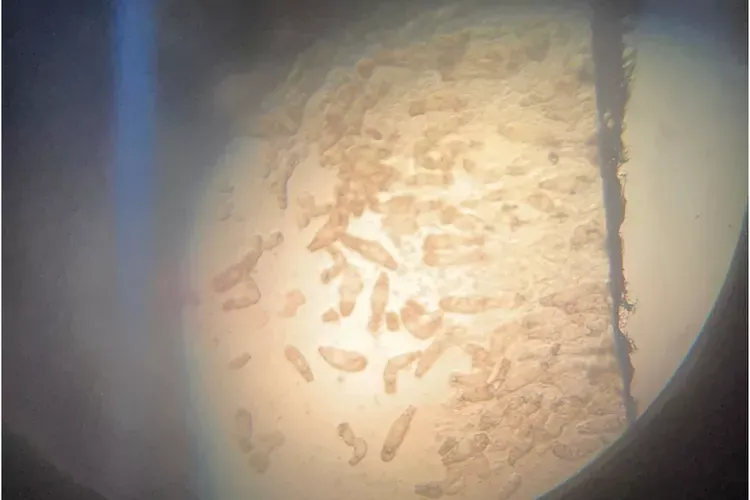

Key Takeaways
Puppies are highly susceptible to hookworms, which can cause severe anemia, diarrhea, and even death without prompt treatment.
Hookworms spread through ingestion, skin penetration, or nursing, and can also infect humans through skin contact.
Preventing hookworm infections involves deworming puppies, practicing good hygiene, and using monthly heartworm prevention as recommended by a veterinarian.
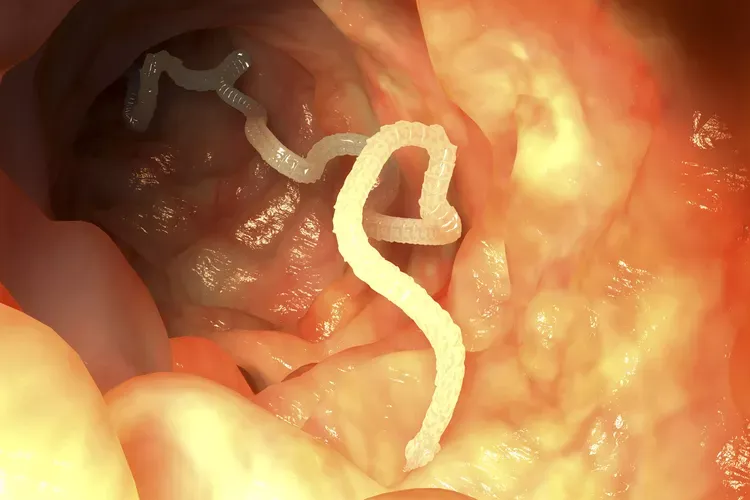
Hookworms are a common intestinal parasite of puppies. Depending on the species, they suck blood or take bites out of the wall of the dog's small intestine, which can result in severe bleeding.
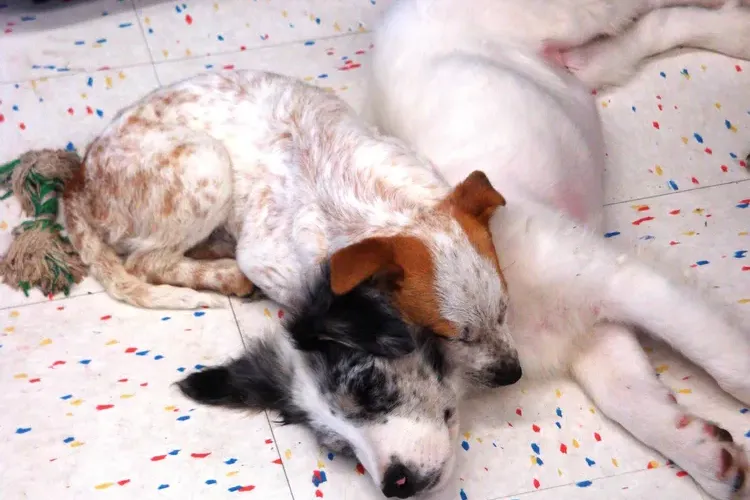
All dogs are susceptible to hookworms, but puppies are at the highest risk because they may not have the immunity to the worms that adult dogs usually develop. Still, hookworms are harmful to dogs and can easily spread in the environment and even people and so veterinary treatment is important. Immunity doesn't necessarily clear all the parasites, but it does help diminish their effects.
Incidence of Hookworms
Several kinds of hookworms affect dogs. Ancylostoma caninum is the most important, and along with Ancylostoma braziliense, it is found in warm climates.1 Uncinaria stenocephala also occasionally affects dogs and is found in cool climates. The highest incidence of the disease is found in Southern states where higher humidity and temperature conditions provide an ideal environment for the parasite.
Lifecycle of Hookworms
The adult hookworms are about a half-inch long. They mate inside the pup's intestine, and females lay eggs which are passed in the stool. The eggs hatch in about a week and infectious larvae develop further in the environment. In warm and wet conditions, larvae may live for two months. They prefer sandy soil but may crawl onto grass seeking a host.
How Puppies Catch Hookworms
Dogs can be infected in several ways. Puppies can pick up larvae from soil or feces. The common route is swallowing the parasite after sniffing scent marks or licking. Larvae are also able to penetrate the skin directly, usually through the dog's footpads.1 Infectious hookworm larvae are capable of penetrating human skin, causing cutaneous larval migrans in which migrating larvae in the skin cause small, red itchy trails. Dogs also may be infected by eating an infected mouse or cockroach.
After being swallowed or penetrating the skin, it takes about two weeks for the immature worms to migrate into the bloodstream, through the lungs, and into the intestine where they mature. When the dog is older and has an established immunity to the parasite, the larvae may never reach the lungs, and instead remain in arrested development in various tissues throughout the body.
When a dog becomes pregnant, the worms migrate to the mammary glands and subsequently infect puppies shortly after birth when the puppies nurse.1 In males and non-pregnant females, tissue-infesting larvae may "leak" back into circulation, mature, and become reproducing adults.
Signs of Hookworms
Hookworms cause blood loss, leading to anemia.1 The signs of anemia include pale gums, weakness, poor growth, and weight loss. When young puppies are exposed to hookworms for the first time, they have no natural defense and can quickly become overwhelmed by a massive infestation. Acute hookworm disease arises suddenly, and in addition to signs of profound anemia, these pups may have a bloody to black tar-like diarrhea. A severe infestation can cause sudden collapse and death.
Adult dogs more typically develop chronic, or ongoing, diseases. Certain breeds like greyhounds are prone to chronic hookworm infections and often don't show signs. Dogs that are stressed, malnourished, or in a region where hookworm is common are at the highest risk. Chronic infection typically is characterized by mild diarrhea or vomiting but can become serious in dogs with decreased immunity. Severely ill or anemic animals will require hospitalization.
Diagnosing Hookworms
Hookworms are diagnosed by finding eggs during microscopic examination of the stool. However, young puppies may suffer acute disease without any eggs being present if the worms are too young to reproduce.1
Treatment and Complications
Several drugs and drug combinations are approved for the treatment of hookworm infections.1 Medications are given in doses timed to kill adult worms and maturing larvae, but may not clear larvae in arrested development in other tissues. It’s important to follow your veterinarian’s instructions in treating your puppy to be sure all the worms are eliminated.
Sometimes older dogs with ongoing exposure to the parasite develop a hookworm dermatitis at the site of skin penetration. This most commonly affects the footpads and is referred to as hookworm pododermatitis. The dog's feet become painful, swell, feel hot, and become soft and spongy. Without treatment, the footpads may separate, nails become deformed, and the pads turn dry, thick, and cracked. Treatment is similar to treatment for intestinal infestation but may include a few extra steps.
Preventing Hookworms
Preventing hookworm infection can only truly be done by not letting them get hookworms in the first place which in some situations can be difficult to do. Monthly heartworm prevention as recommended by your vet is one thing you can do to help control hookworms.1 Otherwise, female dogs that are to be bred should receive worm medication as directed by their veterinarian to help reduce larvae transmission to puppies.
All puppies should be taken to the veterinarian right away and dewormed at intervals guided by the veterinarian. Checking periodic stool samples in puppies is also important. Even if a fecal sample does not show hookworms, deworming is often still warranted in puppies because not every fecal sample will show worm eggs.
Practicing good hygiene is an extremely important component of preventing hookworm infection.1 Clean up stools promptly from the yard, to help reduce larvae transmission to the environment. Outdoor exposure has the greatest risk in damp, shaded areas, so keep kennel areas dry and clean.
Direct sunlight will help curb the worm population in the environment. Gravel or sandy runs may benefit from applications of rock salt or borax, which will kill the larvae; however, these substances also kill grass.






Leave a Reply
Your email address will not be published.