



Key Takeaways
Hookworms are common internal parasites in cats, causing symptoms like diarrhea, anemia, and skin lesions but are treatable.
Cats contract hookworms through ingestion or skin contact with contaminated soil or feces, requiring prompt veterinary diagnosis and treatment.
Preventing hookworms involves good sanitation, regular deworming, and minimizing exposure to contaminated environments.
Hookworms are a common but highly treatable parasite in cats. Hookworms attach themselves to a cat's intestine and feed off of blood. They enter a cat through ingestion or skin contact with contaminated soil or feces, and your cat may experience symptoms like diarrhea, anemia, and skin lesions. A vet will diagnose a cat by analyzing stool with a microscope and will treat the parasite using deworming medications. The prognosis is good for cats treated early and appropriately, but untreated hookworms can be fatal.
What Are Hookworms?
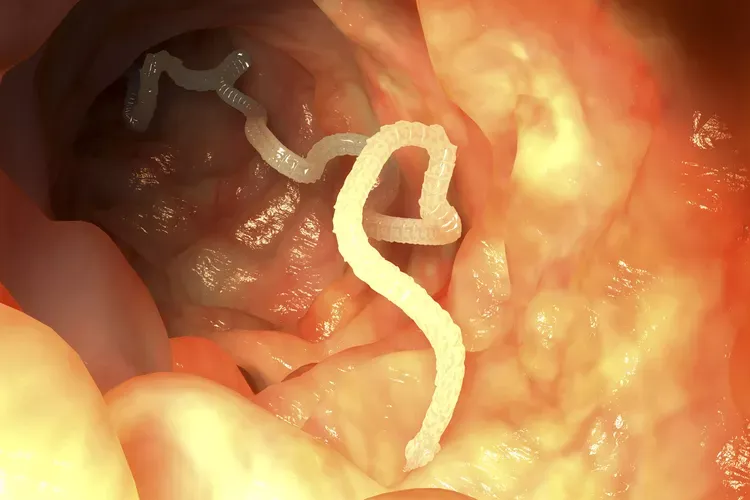
Hookworms are internal parasites with hooklike mouths that attach to the intestinal wall, where they feed on the cat's blood. This can cause potentially fatal internal bleeding, anemia, and blood loss in your cat. Hookworms are thread-like and less than a half-inch long, making them difficult to spot with the naked eye.1 Ancylostoma tubaeforme and Ancylostoma braziliense are the most common form of hookworm found in cats.
Symptoms of Hookworms in Cats
Some cats with hookworms exhibit clear symptoms, while others don't. If you notice your cat acting abnormally or feeling sick, visit your vet.
Symptoms
Weight loss
Diarrhea
Anemia
Bloody stool
Skin irritation
Hookworms in cats can cause a wide array of symptoms, some less specific than others. If your cat contracted hookworms by stepping on contaminated material, there may be skin irritation or lesions at the site of the worm's entry into the body. Because hookworms infect the digestive system, your cart may suffer weight loss, diarrhea, and anemia from nutritional deficiency. Your cat may also have bloody, tarry-looking stool due to internal bleeding caused by the worm.
What Causes Hookworms in Cats?
Hookworm larvae, which thrive in warm, moist climates, can enter a cat through ingestion and skin contact.
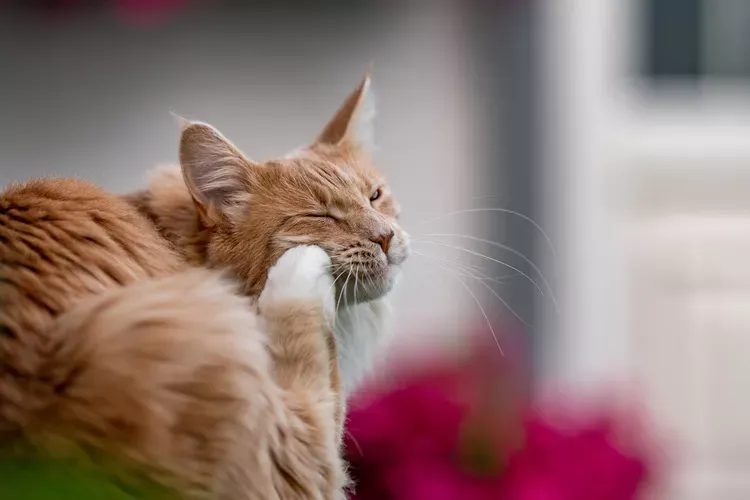
Ingestion: Cats contract hookworms by ingesting larvae in soil and feces. When a cat grooms itself or licks the ground, it may inadvertently swallow larvae which then enters the intestinal tract and causes infection. Cats can also ingest hookworms by drinking their mother's milk or eating the carcass of an infected animal, such as a rodent or roach.
Skin contact: Hookworms can enter a cat by burrowing into its skin, usually through its paw or belly, and settle in the lungs or throat. Once in the lungs, a cat will cough up and then swallow the worm, which will then allow it to enter the intestine.1 Cats can contract hookworms through skin contact while walking on contaminated soil or feces.
How Vets Diagnose Hookworms in Cats
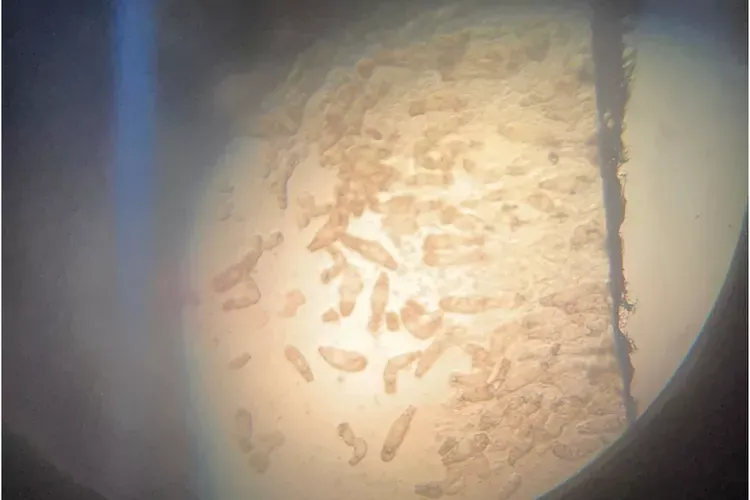
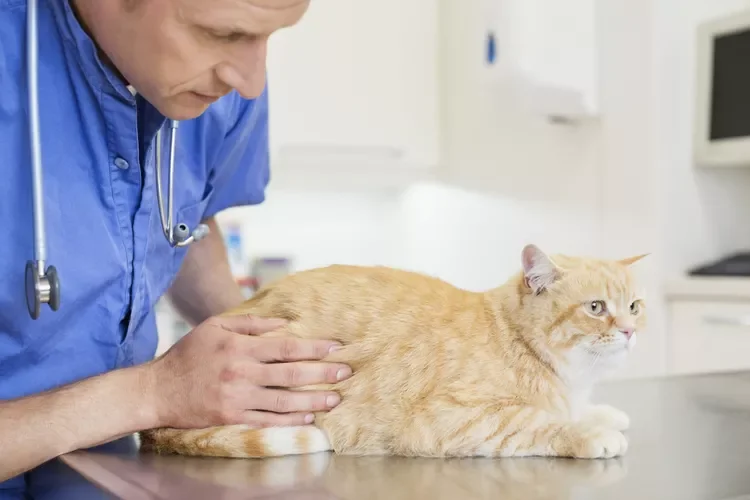
A vet will diagnose hookworms by examining a cat's stool under a microscope and looking for eggs. This examination is performed with a procedure called fecal floatation, in which the cat's stool sample is mixed with a liquid that allows the hookworm eggs to float to the surface. Following the detection of eggs, your vet will perform a series of tests, including blood analysis and urinalysis.
How to Treat Hookworms in Cats
Your vet will usually treat your cat's hookworms by prescribing a deworming medication. Your vet may also prescribe supplements and fluids to treat any iron deficiency or dehydration caused by the worms. Overall, treatment is simple and effective.
Medications will only affect hookworms in the intestines, not migrating larvae, so you should repeat treatment to eradicate them as they mature. The number of treatments necessary will depend on your cat's age and health.
Prognosis for Cats With Hookworms
With swift detection and treatment, the prognosis for cats with hookworms is good. However, if a cat is not treated, the blood loss caused by the hookworms can be fatal, especially for kittens.
How to Prevent Hookworms
There isn't a vaccine for hookworms in cats, but you can take preventative measures to minimize the risk of your cat contracting the parasite. This is primarily done by practicing good sanitation, cleaning your cat's litter box often and thoroughly, using a monthly deworming pill, and mindfulness in environments where worms may be present.
Are Hookworms Contagious to Humans?
Hookworm larvae can infect people as well as cats. In humans, the hookworm larvae don't develop into adult hookworms, but migrating larvae cause skin irritation, itchiness, and inflammation. This condition is called cutaneous larva migrans (CLM). CLM appears as raised, red tracks on the skin, but symptoms will usually resolve without medical treatment.2 Hookworms in humans are rare and are best prevented by protecting your cat from hookworms.
FAQ
Can I get hookworms from my cat?
You can get hookworms from your cat indirectly, but not directly. You cannot contract the parasite by cuddling or kissing your cat, but you may do so by stepping on its infected feces.
Are hookworms expensive to treat?
Thankfully, hookworms are relatively inexpensive to treat. Many dewormers are affordable and over-the-counter.
Is there a vaccine for hookworms?
There is not a vaccine for hookworms, but putting your cat on a monthly dewormer and practicing good hygiene will help minimize the risk of contracting hookworms.
If you suspect your pet is sick, call your vet immediately. For health-related questions, always consult your veterinarian, as they have examined your pet, know the pet's health history, and can make the best recommendations for your pet.






Leave a Reply
Your email address will not be published.