





Key Takeaways
Formalin is highly effective in treating parasitic protozoan infections, flukes, lice, and fungal diseases in fish.
Proper quarantine tank setup and careful formalin treatment are essential to prevent reinfection and ensure fish recovery.
Formalin treatments can cause stress, so monitor fish closely and address secondary bacterial infections with antibacterial medication.
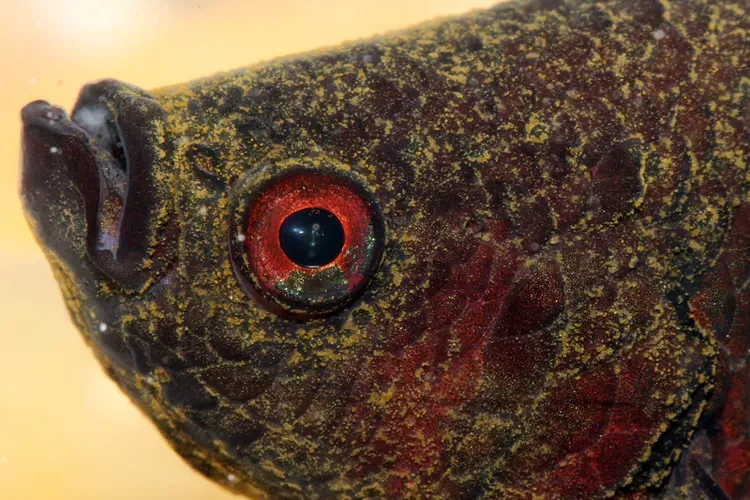
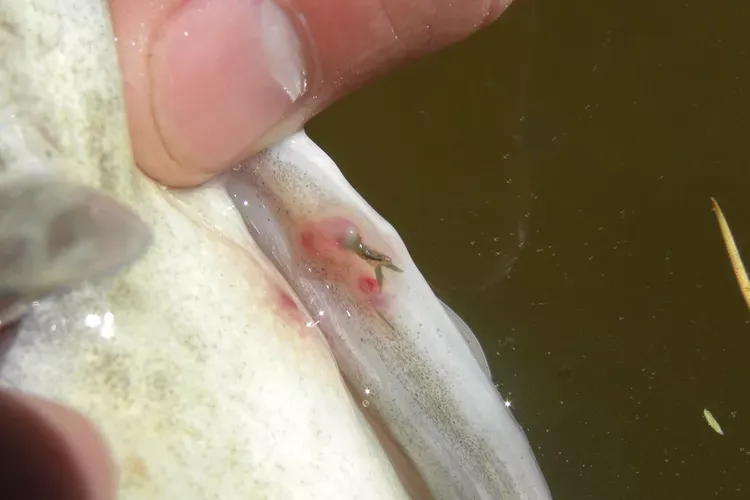
Formalin is veryeffective at ridding fish of some common parasitic protozoan, such as Clownfish disease (Brooklynella), and Cryptocaryon (White Spot) marine ich infestations, as well as flukes, lice, and fungal diseases that both fresh and saltwater fishes can contract. Although formaldehyde is a toxic chemical that is hazardous in its pure form, formalinis a 37 percent solution of formaldehyde diluted with water, and is available commercially through pet stores to treat diseased fish. It must still be handled carefully as it is toxic if ingested or gets onto the skin.
What You'll Need
QT (a Quarantine Tank) with filtration and air pump with air stone
Formalin solution (37% formaldehyde mixed with methanol as a preservative and water)
Fresh and saltwater; hygrometer or refractometer to measure specific gravity
2 treatment containers of choice
AmQuel, or another suitable ammonia neutralizing product
Antibacterial medication (available commercially to aid wound healing)
Here's How
Set up a quarantine tank, providing it with vigorous aeration. Even though hyposalinity does not cure parasitic infestations, lowering the specific gravity (SG) of the QT water to about 1.010 can help to keep any new free-swimming organisms from reinfecting the fish. Be sure your marine fish are able to tolerate that low of salinity, and raise the salinity as necessary for them.
Prepare a container with treatment water, mixed per the manufacturer's directions on the formalin product. Include vigorous aeration of the treatment water, such as inserting an air stone, because formalin will decrease the oxygen in the water. Harmful ammonia can also build-up in the water during treatment, so it is recommended to add AmQuel or similar ammonia neutralizing products to avoid complications that can occur from ammonia burn.
Prepare another container, preferably with the water salinity lowered to 1.010 specific gravity. This will be used to dip the fish in after they have been taken out of the treatment water, which will assist in removing weakened or dead parasites or other unwanted organic matter from the fish before placing them into the QT.
When all is ready, place the fish into the formalin treatment container, proceeding per the instructions for the formalin product you are using, and by referencing the dip and bath timing and other important tips below.
Once the formalintreatment is finished, depending on the stress level of any particular fish at this time, give each fisha quick 30-second to two-minute dip in the second container of low SG salt water, and then place them into the QT.
All fish should remain in the QT for at least 4 weeks, and during the quarantine period, you should continue treatment with formalin as instructed on the package label. You should also treat preventatively for potential secondary bacterial infections with an appropriate antibacterial medication. Make certain to leave the main aquarium void of fish. This will allow the protozoa to run their life cycle and die off becausethere will be no host fish and prevent re-infestation.
Tips
Formalin Treatment timing: Fish in the advanced stage of disease will already be very weak and stressed, and most likely on the verge of dying. An animal in this condition may only be able to tolerate a full-strength formalin treatment for a few minutes, or might die during the procedure. If this is a concern, by diluting the recommended formalin dosage for treatment, an extremely ill fish might hold up better as well as withstand longer exposure time.
Bath timing: In all likelihood, a fish that is still in fair health should be able to withstand a minimum 15-minute bath. If no signs of distress arise after 15 minutes, continue and extend the treatment to 30, and if possible up to 60 minutes.
Overall treatment: Do not leave fish unattended at any time during a dip or bath treatment of any kind. Watch them closely, and if any fish show signs of distress, remove it immediately.
Urgent treatment: If a formalin solution is not available for immediate use, temporary relief may be provided by giving fish a freshwater dip/bath. Even though this treatment will not cure the disease, it can help to remove some of the parasites and reduce the amount of mucus in the gills to assist with respiration problems. Once the initial dip/bath is done, place the fish into the QT under hyposalinity treatment, and obtain a formalin medication as soon as possible to begin treatment.
Bacterial infections: Parasites that can be treated with formalin may cause skin damage that results in bacterial infections. Bacteria are not killed by using formalin and may require antibacterial treatments. Consult with an aquatic veterinarian for appropriate medications for treating bacterial infections if your fish has skin ulcers or redness to the skin or fins.
Warning
Although formalin is effective for treating external protozoan infestations, as well as fungal diseases, overdosing or exposing fish to this medication too frequently may cause additional injury and even death. It is harmful to invertebrates, and should not be added to the main aquarium. It should only be used in a QT, and for making up treatment dip/bathwater.
Handle formalin carefully and avoid splashing in eyes or spilling on skin. Rinse skin with water if in contact with formalin.






Leave a Reply
Your email address will not be published.