


Unlike dogs, cats are naturally quite solitary animals, and many are perfectly fine not being with their human every second of the day. That said, cats are lovers of routine and even the slightest change–the kids going back to school or you going back to work—can be enough to put them ill at ease and trigger symptoms of anxiety.
In this blog, we’re looking specifically at separation anxiety in cats, including what causes it, the signs of separation anxiety in cats and what you can do to help your cat feel more safe and secure.
What is Separation Anxiety in Cats?
Separation anxiety is a kind of anxiety that is caused by suddenly being left alone, and while it’s more common in dogs who are more social, it can affect any animal and even humans. It stems from a fear that it is unsafe to be left alone, even in places that are familiar and can lead to a number of behavioural issues that can make leaving your pet at home while you’re working rather difficult.
Do cats get Separation Anxiety?
While it’s not as common in cats as it is with more social pets, like dogs, some cats can suffer from separation anxiety. It’s thought to be more common in cats who haven’t been left alone in their home for long periods before, such as new kittens or cats who were brought home at a time when their humans were always around, such as during the COVID-19 lockdowns.
Separation anxiety in cats can either be caused by a cat being left alone or even just when a particular person in the household leaves, meaning their symptoms may even be present when there is someone still in the home with them.
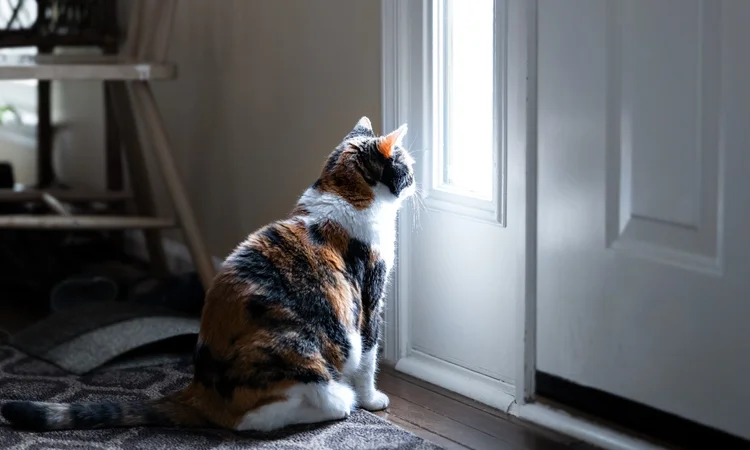
Symptoms of Separation Anxiety in Cats
Cats suffering from separation anxiety are likely to show a number of symptoms, including behavioural issues, which can be problematic for you and also for your cat’s health. Some of the common signs of separation anxiety in cats include:
Excessing vocalising (such as yowling or yowling)
Hiding more often or refusing to come out from hiding places.
Refusing to eat
Not using the litter tray
Destructive behaviours, like scratching furniture.
While these are common signs of separation anxiety, they may also be signs that something else is bothering your cat and causing them stress, like another health condition or stress-related issues like a new family member or pet, disruptions in routine from visitors or holidays, as well as a number of things.
You can find out more about anxiety in cats by reading our blog.
How to Help a Cat with Separation Anxiety
Separation anxiety can be challenging to handle as no one can be with their cat all of the time, and spending more time with your cat may even make the situation worse.
Here are some of the ways you can help ease your cat’s separation anxiety safely.
Gradually introduce alone time by letting your cat play alone, providing them safe access to the outside, or leaving them alone at home for short periods of time, which you can gradually increase as they show improvement.
Introduce calming supplements or cat calming pheromones to your cat’s daily routine, like these FELIWAY Diffusers, to help them feel more secure at home alone. Zylkene also offer a calming cat supplement, which contains ingredients known to soothe anxious cats.
Provide your cat with plenty of cat toys, like boredom breakers and puzzle toys to distract them while they’re at home alone.
Don’t make a fuss about you leaving. Try not to immediately greet your cat when you get home or give them a lot of attention before you leave, as this can actually make things worse.
By making these changes gradually, you can help your cat to feel more secure at home. If you have tried these methods for a couple of weeks and still aren’t seeing any signs of improvement, then it may be time to consult with your vet for other solutions.
Separation anxiety can be troublesome, and knowing your cat is stressed or upset is likely to make you feel anxious as well. By recognising the signs and planning a routine that can make your cat feel secure, you can help lessen their anxiety and ensure your cat is happy and content even when you need to leave them for a time.





Leave a Reply
Your email address will not be published.