


Bonfire Night, also called Guy Fawkes Night or Fireworks Night, is a UK holiday that occurs on November 5th each year. Originally a celebration of a failed plot to blow up the Houses of Parliament with gunpowder in 1605, Guy Fawkes Night is now celebrated nationwide with sparklers, bonfires, and, of course, fireworks.
But with Bonfire Night festivities come changes in routine, loud noises, and flashing lights, all of which can spark a stress response in pets who don't understand what's happening. In this article, we explore why pets are scared of fireworks and what you can do to ease fireworks anxiety in pets.
Are Pets Actually Scared of Fireworks?
Fear in dogs and cats is a vital reaction that assists survival and is a component of the fight-or-flight fear response.
All animals will fear something, but what makes fireworks so scary?
Changes in routine
Loud bangs (remember, cats and dogs have far better hearing than humans do)
Flashing lights
All of these things can be enough to cause anxiety in pets individually, but mix them all together, and it's no wonder why cats and dogs struggle with Bonfire Night.
Is My Pet Scared of Fireworks?
Different things scare different pets, but many animals fear sudden loud noises and flashing lights, which can make fireworks overwhelming to pets who may perceive them as a threat.
By recognising the signs of fear in pets, you'll be able to tell if fireworks scare your dog or cat. The most common signs of anxiety in pets include:
Excessive Vocalising—Pets can't speak so they alert us to their fears or perceived threats in a way we'll notice. A fearful dog might bark nonstop, while a cat may growl or meow excessively.
Hiding—When cats are afraid, sick or anxious, they tend to hide under beds, other furniture, or in whatever small, safe space they can find. Just because you can't see your pet doesn't mean they're not struggling.
Restlessness—Pets will only settle if they feel safe enough to do so, which is a defense mechanism from when they were wild animals. If your pet is pacing, circling, or refusing to settle, this could be a sign they're afraid or anxious.
Fearful Body Language—Fear can elicit specific bodily responses from pets, such as trying to appear small, keeping their bodies low, changing pupil dilation, or flattening their ears.
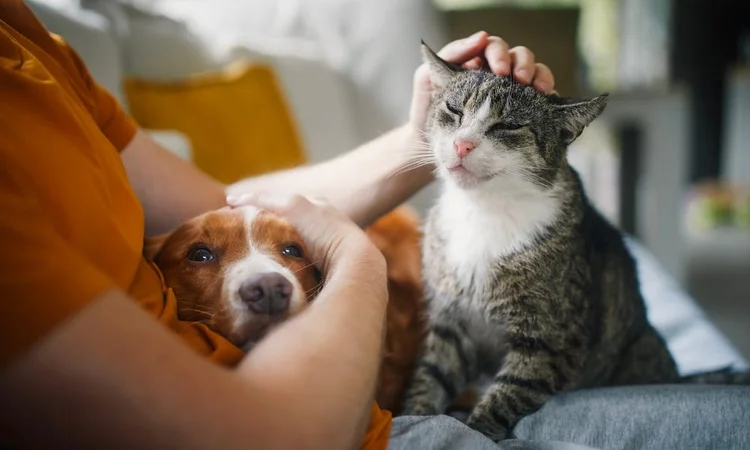
Self-Soothing— Pets soothe themselves differently, but you may notice scared pets being clingier or over-grooming themselves.
If you see these signs of fear in your pet this time of year, fireworks are likely triggering their fight-or-flight response.
How to Comfort Your Pet During Fireworks
If your pet is scared of fireworks or reacts badly to the lights and sounds, you can help them feel better. Comforting your pet is the best way to ease their anxiety during peak display times. Below are some of our top tips for calming pets during fireworks.
Keep Your Pet Indoors
Sometimes, fight or flight can be very literal. When fearful, pets may search for a way to escape the perceived threat. This can lead to cats darting across roads, dogs escaping gardens, and other dangerous situations for your pet.
To keep your pet safe this Bonfire Night, we recommend:
Walking your dog during the day while it's still light
Keeping all pets (even free-roaming cats) inside from 4 pm on Bonfire Night
Ensure all windows and doors are shut to prevent escapes
Always go out with your dog for bathroom breaks
Keeping your pet inside during peak fireworks hours (4 pm to Late) can help ensure your pet stays safe on Bonfire Night, and also allow you to create a comfortable and calm environment for them. Most fireworks start when it gets dark, but make sure you check the time for any local displays in case they start earlier.
Having your pet indoors allows you to control their environment to help them feel safer. It's also best if someone stays behind to be with pets on Bonfire night, as being left alone can be a stressor all itself, and having someone there can help anxious pets feel more secure.
Close Curtains and Windows
Fireworks are loud and bright, so keeping your curtains closed can block out or at least muffle the lights and sounds. This can make it much easier to keep your pet calm, as they won't notice the lights, and the noise will sound muffled.
Keeping your windows closed stops unwanted escapes. This is especially important for cats that like to go in and out through open windows.
If you want to further muffle the bangs of fireworks, why not try having the TV or the radio on? Playing calming music for pets during fireworks can help them stay calm, and there are even dedicated stations for pets on Bonfire Night, like the Classic FM Pet Fireworks station that plays classical music for pets during fireworks.
Provide a Safe Space
Helping your pet feel safe is the key to ensuring they feel calm during the fireworks, and creating a safe, cosy spot to lie down and relax can make all the difference.
Make sure you have somewhere your pet can retreat when stressed, like a crate, bed, cat tree, cat cubby, or even their favourite sofa spot. Add some snuggly blankets, treats, and even your pet's favourite toy to make it feel cosy and safe. Be sure their safe space is close so they can still see or be near you, but out of the way of any windows where noises might be louder.
Once you have their spot set up, you can send your pet there when they're triggered by fireworks and then reward them for their good behaviour. Using calming sprays, like the Beaphar CatComfort® Calming Spray for cats or ADAPTIL® Anxiety Spray for dogs, can also help give that little extra support.
If your pet doesn't already have a designated safe space, you can create one by keeping it in a room where it spends a lot of time and having the TV or Radio playing to muffle the noise. This is an ideal choice for cats who (more often than) don't like being told what to do, and using a calming diffuser like the FELIWAY Optimum Cat Calming Diffuser can help provide constant reassurance that they're safe.
Offer Distractions
If you can focus your pet's attention elsewhere during fireworks displays, you can prevent them from reacting to them in the first place.
Interactive or food toys can be a lifesaver here, especially for food-oriented pets. Filling a KONG® treat toy with your dogs favourite treats can keep them busy, or putting your cat's favourites in a Kitty KONG® can provide an enriching distraction.
Pets also tend to groom themselves as a form of self-soothing, which is why many pets with anxiety tend to overgroom themselves. The repeated action of licking or lapping releases endorphins and serotonin in pets, which is why slow feeders like the LickiMat® Classic Soother™ can be a life saver in challenging situations like Bonfire Night.
Playing with your pet can also provide a great distraction that keeps your pet focused on you and wears them out enough that they settle easier despite the chaos outside. Engaging dogs with tug-of-war or fetching toys like the KONG® Wubba™ Toy for Dogs can be a great choice, and teaser toys like this KONG® Active Swizzle Bird Teaser Toy are perfect for tempting cats.
Long-lasting chews, like these YAKERS® Dog Chews, can be a great distraction, especially for food-oriented dogs. If the chew gets too small, just pop it in the microwave for 30-60 seconds on high, and it will puff up into a whole new treat!
Keep Calm and Carry On!
When things are uncertain, our pets look to us for guidance. This is why it's important that someone is home with pets during fireworks. If you can't miss the displays, why not ask a friend or family member to stay and pet-sit while you're gone?
Remaining calm and going about your business as usual can help reassure your pet that they're safe and nothing is wrong. You can do this by turning on the TV when you usually would, playing music, or just being at home with your pet.
Pets that feel fear when you're away are more likely to suffer separation anxiety as well and seek other methods of comfort, such as chewing things, scratching furniture, or barking excessively to try and alert you. If you plan to go to a display, we recommend calling a family member, friend, or pet sitter to be with your pets.
Integrating calming supplements like the Zylkene® Calming Supplement for Cats and Dogs into your pet's routine before fireworks night can have a calming effect when you're gone.
If your pet already struggles with anxiety or is already on calming medications, speak to your vet ahead of bonfire night for additional advice on helping them stay calm.
Fireworks are unavoidable at this time of year, and while pet-safe fireworks are available, not everyone will be using them. Make sure you familiarise yourself with when displays are happening near you, and ensure you exercise your pet before these times to ensure they're safe indoors while fireworks are on.

Leave a Reply
Your email address will not be published.