





A big part of horse ownership is caring for their health, both inside and out. This means ensuring their akin and coat are in optimum condition year around, especially when things get wet and muddy.
Here, we take a look at some of the most common skin conditions that can affect your horses so you know what to look out for and what you can do to treat it.
Skin Conditions in Horses
Just like with humans, a horses skin is the first line of defence when it comes to bacteria and keeping it away from your horses senstive internal systems. If your horses skin isn't as strong as it should be, or it's breached or compromised in anyway, then it's down to the immune system to fend off unfriendly bacteria to prevent viruses and infections. But, your horses'; immune system can only to do so much, which is why maintinging your horse's skin is crucial to their health. Belowm, we take a look into somne of the most common skin conditions that affect horses, and what you can do to help.
Sweet Itch in Horses
Sweet itch is a term given to a skin condition in horses that is caused by an allergic reaction to the saliva of biting insects, in particular midges and black flies. The severity of sweet itch can vary depending on the degree of allergy or reaction to the insect bites, but the most common symptoms of sweet itch include:
Intense itching,
Excessive tail swishing or head shaking
Hair loss in affected areas (typically the horse’s upper neck, back, tail base, and ventral abdomen)
Sweet itch is particularly common during the warmer months as these insects are more active, so reducing your horse's exposure during these times can be effective in preventing reactions. Other treatments for sweet itch in horses include:
Rugging your horse
Using an effective fly repellent for horses
Using soothing lotions to ease itching
If your horse is prone to sweet itch or has a particularly bad reaction to biting insects, speak with your vet for further advice on how to prevent allergic reactions.
Mud Fever in Horses
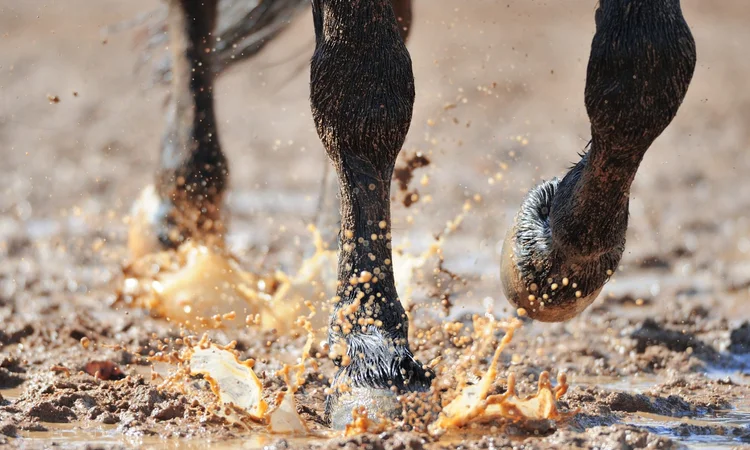
Pastern Dermatitis (commonly referred to as Mud Fever) is a common and non-contagious condition that can affect horses' lower limbs during wet and muddy conditions. While it can occur at any time of the year, it is most common during the winter.
Mud fever is caused by bacteria entering through a cut or breach in your horse's skin, leading to a painful flareup. If left untreated, mud fever can quickly lead to bacterial infections, so it’s important to recognise the signs of mud fever as soon as possible to get the condition under control.
The symptoms of mud fever are typically found on your horses’ lower limbs around the coronet, heels and pastern and include:
Crusty scabs on affected areas
Matted hair or hair loss
Raw skin
Cream-yellow discharge from the affected area (in worsening cases)
If you notice any of these above symptoms, make sure to check the affected area for any signs of heat or swelling, as this is a clear sign of an infection.
As with sweet itch, prevention is key when it comes to mud fever, so be sure to avoid any muddy areas in your paddock, be sure to brush off any mud once it’s dried from your horse’s skin, and take proper measures if your horse has a breach in their skin such as using an antibacterial cream like this Fungatrol Cream.
If you think your horse is suffering from mud fever or you notice any lesions on their skin, contact your equine vet as soon as possible for treatment.
Rain Scald in Horses
Much like mud fever, rain scald is a skin condition caused by prolonged exposure to wet conditions. It occurs when the surface of the skin softens enough to allow bacteria to get inside the surface layer of the skin, leading to infection.
The key signs of rain scald in horses include:
Scabs on the back, rump and lower limbs
Hair matting
Hair loss
If you notice any of these above signs of rain scald, contact your equine vet immediately, as these may also be the sign of a number of other conditions, and they may want to take a sample of the scabs for testing.
You can prevent rain scald by ensuring your horse’s skin stays dry by stabling them or applying a weatherproof rug during wet conditions.
Treatment for rain scald in horses requires the use of antibiotic cream or even a course of full antibiotic treatment for severe cases. This will be decided by your vet. In the meantime, ensure your horse stays dry while the scabs heal and that their scabs are kept clean and dry to prevent further infection.
Ringworm in Horses
Equine ringworm is a highly contagious fungal disease that can easily spread from horse to horse or even horse to human. Contrary to popular belief, ringworm actually has nothing to do with worms, nor does it make a ring shape. Instead, ringworm is caused by fungi (Trichophyton spp. and Microsporum spp.), which cause the hair on affected areas to fall out and the skin beneath to be raw and sensitive.
Some of the other symptoms of ringworm in horses to look out for include:
Tufts of hair that appear raised
Grey flaking skin
Sore patches of skin in any shape
Ringworm, despite its name, can appear in any shape, so always ensure any inflamed, flaky skin or lesions on your horse are checked by a vet to prevent infecting any more of your horses or yourself.
Ringworm is not a fatal disease and can typically clear up on its own, depending on the severity of the case. However, ringworm is highly contagious and affects younger horses more, so prompt treatment is important to stop the spread. Typical treatments for ringworm in horses include:
Separating the affected horse from others
Thoroughly cleaning and disinfecting any areas the infected horse may have touched, including rugs, bedding and fences.
Using an antifungal treatment like this Audevard Imaverol Antifungal treatment
While this may seem like drastic measures, fungal infections can be incredibly unpleasant, and due to ringworm’s highly contagious nature across species, it’s essential that infection be dealt with quickly and efficiently.
By making yourself aware of the various skin conditions your horse might suffer from throughout their life, you can take the proper precautions to prevent them. If you ever find something out of the ordinary with your horse’s skin, make sure you consult your vet. While it may look like a rash or a lump, it may also be a sign of something more serious.
We sell many products to combat these issues, with popular brands like NAF that have a popular range of products to help skin and allergies.





Leave a Reply
Your email address will not be published.