
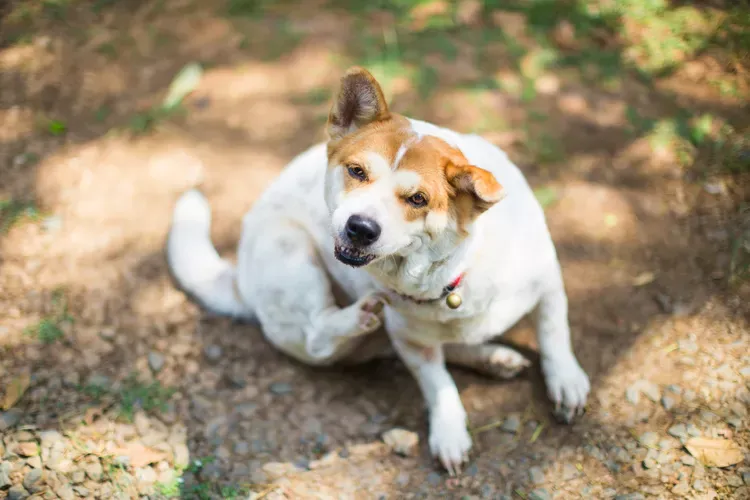



Anxiety in dogs can stem from a number of causes, but if your dog is naturally on the more nervous side, or what’s upsetting them is unavoidable, then it might be time to look for ways you can help your dog feel calmer.
Here, we’re going to walk you through some of the best calmers for dogs so you can get them feeling back to themselves in no time!
Key Takeaways:
Treatment for anxiety in dogs can vary depending on the severity of your dog's condition. You should always consult your vet if you think your dog has anxiety.
Dog calmers can help dogs cope with short-term anxiety, such as building works or new visitors, but they will not tackle the root cause of their stress.
Dog calmers are available in multiple formulations, including calming collars, diffusers, treats, and more. Which one works best for your dog will depend on its individual needs.
What is the Best Anxiety Treatment for Dogs?
When it comes to both dogs and anxiety in general, there is no one-size-fits-all solution. That’s why brands across the pet industry offer a range of treatments for anxiety in dogs with different formulations to suit you and your dog.
They work by replicating the natural pheromones dogs produce to communicate with one another. Think of when you take your dog for a walk, and they start sniffing a spot for a period of time. This is likely them picking up the pheromones left behind in another dog’s urine, telling your dog it’s their territory.
Now, you can use synthetic versions of these pheromones in a range of different formats to help your dog feel calm when modern life conflicts with their natural instincts to prevent signs of anxiety in dogs, such as:
Pacing
Trembling
Excessive barking or howling
Excessive chewing
And more!
Please note that stress can be caused by a number of things, including existing medical conditions. If your dog is stressed and you're unsure why, consult your vet for a professional diagnosis.
Plug-in Calmers for Dogs
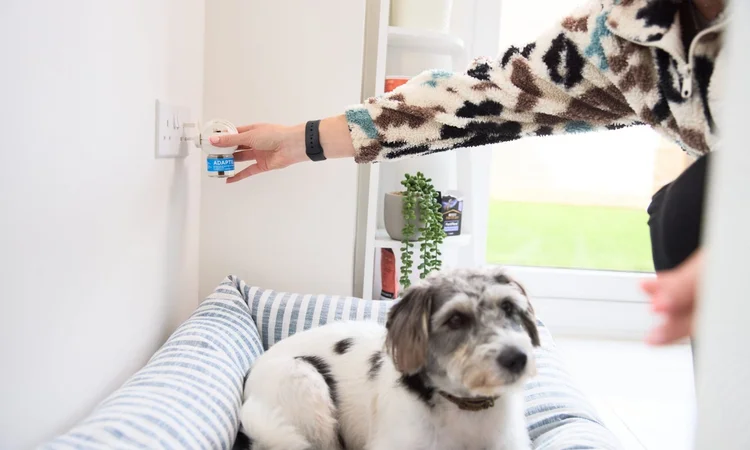
One of the most popular formats for dog calmers is the plug-in diffuser, like this ADAPTIL® Calm Plug-in Diffuser. These calming solutions work by heating up a liquid form of the calming dog pheromone and dispersing it into your environment to help your dog feel safe.
These diffusers are scent-free and will only have an effect on your dog, not any other pets in the home. They are suitable for short- and long-term use, but many diffusers take at least seven days to make a difference. These diffusers typically last 30 days, but ADAPTIL® refills are available, as are those from other brands.
Calming plug-ins for dogs are a great option for dogs with separation anxiety because of their long-lasting effects, but should not be used as a replacement for training your dog to cope while being alone.
Calmer Collar for Dogs
Another popular calmer for dogs is the calming collar. These collars are designed with a copy of the ‘Dog Appeasing Pheromone. That would otherwise be produced naturally by a nursing mother. By having this pheromone matric instilled within the collar, you can provide your dog with constant comforting messages to help them feel at ease.
Calming collars are particularly popular for puppies when they are brought into a new home, with collars like the Beaphar CaniComfort® Calming Collar getting to work in just 15 minutes and lasting up to 30 days. Most brands offer these collars in multiple sizes, and they can be worn alongside your dog’s real collar, offering them ease and comfort even when out of the house, such as with vet visits, training classes, or their first walk.
Calming Spray for Dogs
If you're looking for targeted and temporary calming that gets to work fast, then look no further than a dog calming spray, like the ADAPTIL® Dog Calming Spray. These fast-acting formulas are perfect for calming at home or on the go, such as vet trips, long car trips, or to help create a safe space for them at home.
Made from pet-safe and clinically proven ingredients, dog calming sprays are designed to get to work within fifteen minutes, as opposed to diffusers that can take up to a week to show improvements. Simply spray the area where your dog will be (the back seats of the car, their crate or bed, etc.) and let the calming spray o the rest.
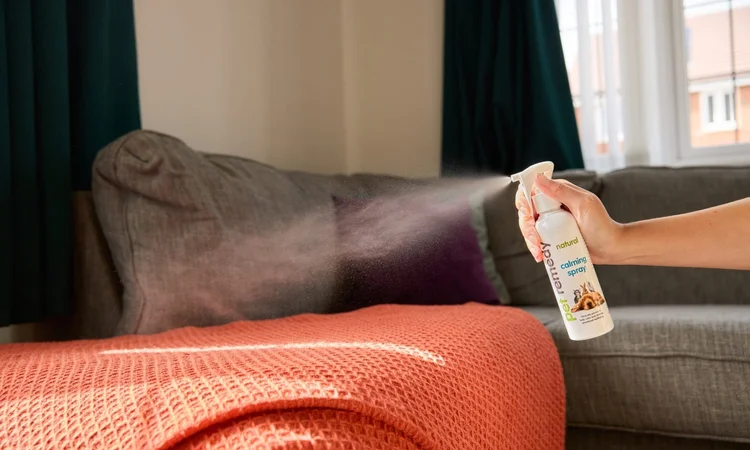
The Pet Remedy Calming spray, with its water-soluble ingredients, can even be sprayed onto your dog's coat to help keep them calm on the go, making it perfect for grooming or vet appoitntments for nervous dogs who could use a little more support.
Always make sure you read the product intrustions provided before use.
Natural Dog Anxiety Treatments
Herbal remedies have been around for centuries and still work even today. If you want to take a more natural approach to help your dog, then there is a great range of herbal calming supplements available for your dog, like this Dorwest Scullcap & Valerian Calming Support, which is made with all-natural ingredients, such as extracts from valerian root, mistletoe, scullcap and more!
These herbs work to support the calming pathways in your dog’s nervous system to help reduce anxiety without causing side effects like drowsiness or wobbliness. Due to their natural composition, these natural dog calmers are popular for show dogs who need to remain calm but alert during high-pressure situations.
Another natural remedy is the dog ThunderShirt, that provides a weighted blanket feel that is cosy and comforting to dogs, helping to ease their anxiety.
Calming Diet for Dogs
Your dog's food lays the foundation for their health, and there's now a range of calming dog foods on the market made with natural ingredients clinically proven to have calming effects on dogs. A great example is the Pooch & Mutt Calm & Relaxed Dog food, which contains 45% lean L-tryptophan-rich turkey, which helps promote serotonin production, as well as chamomile and brewers yeast, plus plenty of probiotics and prebiotics for digestibility and gut health.
If your dog struggles with anxiety, your vet may even recommend a veterinary dog food for anxiety, such as the ROYAL CANIN® Calm Dog Food that is specifically formulated to support small breed dogs during times of stress. This diet is made with hydrolysed milk protein and L-tryptophan, which are well-known for the calming properties.
If you're not looking to change your dog's diet, then you're in luck! There's a range of dog calming treats available now that are made with the same natural, calming ingredients as calming dog foods, just in tiny and super tasty morsels. The Forthglade® Soft Bites Calming Dog Treats are made with chamomile, lavendar and lemon balm, and are perfect for nervous dogs on the go!
Dog Anxiety Medication
Medication for dog anxiety comes in a variety of forms, like capsules and powders, many of which can be bought without a prescription. Zylkene calming supplements for dogs, for example, are one of the most popular calming supplements on the market and are suitable for both long- and short-term use.
Calming supplements like these are easy to administer by sprinkling over your dog's normal meal. It’s recommended you start giving your dog the supplements 1-2 days before the initial stressful event and then continue for up to a month. After this time, you should evaluate your dog’s condition and consult a vet for further advice.
In some cases, dogs may not respond to traditional calming methods like sprays or diffusers, so you should consult with your vet if none of the above options work for your dog. They may recommend alternatives for your dog, such as prescription anti-anxiety medication or changes to their environment.
Watching our pets struggle is hard, especially when they can’t tell us what’s wrong. We hope this blog helps you find the perfect solution for your dog’s stress. If not, why not browse the complete range of dog calmers, including Zylkene products, and see what works for you?






Leave a Reply
Your email address will not be published.