









Spring is the time of rebirth, and as the world comes back to life after a long winter, we can once again see a wealth of beautiful flowers gracing our gardens and countryside once again. However, not all of these plants are pet-friendly, and many (if ingested) can cause a severe reaction in your pet and even poisoning.
In order to help you keep your pet safe, we’ve made a list of all the spring plants that are toxic to pets so you can avoid them both outdoors and in your home.
Contents:
Are daffodils toxic to dogs?
Are tulips toxic to dogs?
Are bluebells toxic for dogs?
Poisonous spring Plants
Poisonous spring fruits

Daffodils
Perhaps one of the truest expressions of spring in the UK, daffodils bloom between February and May. Many people don’t know that daffodils are toxic to cats and dogs, especially if they ingest the bulbs.
Daffodils and other members of the Amaryllidaceae family of plants (including snowdrops and amaryllis) contain the toxin lycorine, which, if ingested by your pet, can cause stomach upsets and, in high doses, death.
Symptoms of daffodil poisoning in dogs and cats can often be recognised by:
An upset stomach
Vomiting,
Lethargy
Wobbliness
Fits/seizures (in some instances)
It’s important for your pet's safety that you don’t allow them to eat any daffodils and especially not the bulbs as this is where the toxin is most concentrated.
Daffodil poisoning in dogs and cats can even be caused by your pet drinking the water of daffodils in a vase, so it’s best to keep them out of your home for your pet’s safety.

Tulips
While tulips are beautiful flowers and a popular choice in many gardens and flower arrangements through April and May, all parts of a tulip are toxic to dogs and cats.
The plant contains the toxin tulipalin, which can cause damage both internally and externally if any part of the plant is ingested.
Symptoms of tulip poisoning in dogs and cats include:
Mouth and stomach irritation
Drooling
Vomiting and/or diarrhoea
In severe circumstances, heart problems and difficulty breathing can also be caused by tulip poisoning.
If you have pets, it is best to keep tulips out of your home or garden or keep them safely out of your pet’s reach.
Bluebells
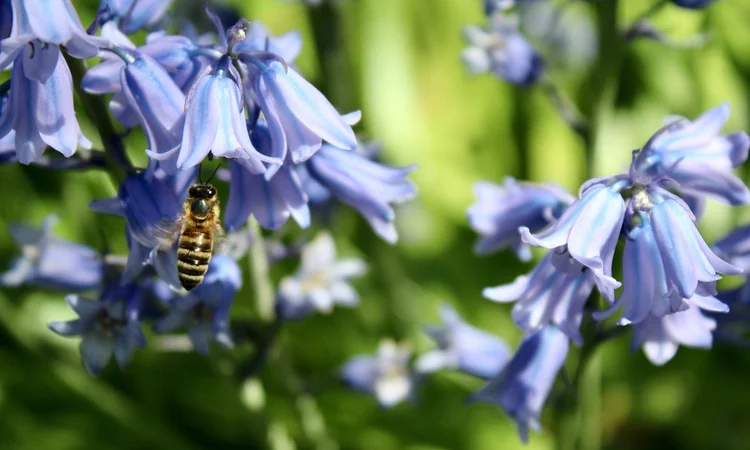
Another staple springtime flower is the Bluebell. These dainty, purple flowers appear in parks and woodlands in the wild from April to June.
However, despite their size, bluebells are toxic to dogs and cats as well as humans, as they contain toxic glycosides (also found in foxgloves) which, in small doses, cause stomach upsets, but in larger quantities, can cause problems with your pet’s heart and even death.
Signs of bluebell poisoning in dogs include:
Vomiting and/or diarrhoea
Heart problems
Difficulty breathing
As well as being toxic, contact with the sap of a bluebell is known to cause dermatitis and skin irritations, which can be incredibly uncomfortable for your pet.

Other Toxic Plants to Pets
As well as the key contenders listed above, there are some other plants to be aware of that can cause harm to your pet if ingested. These include:
Rhododendrons
Azaleas
Buttercups
Wild cherry tree (twigs and foliage)
Yew (berries and foliage)
Cyclamen (root)
Crocuses
Always make sure to keep an eye on your dog when walking in woodland areas or anywhere these wildflowers may be blooming. If you have an outdoor cat, be sure to check their behaviour when they return home from their wandering for anything that might signal to poison, such as:
Gastrointestinal upset
Laboured breathing
Lethargy
Changes in eating habits
Always make sure to keep an eye on your dog when walking in woodland areas or anywhere these wildflowers may be blooming. If you have an outdoor cat, be sure to check their behaviour when they return home from their wandering for anything that might signal to poison, such as:
Gastrointestinal upset
Laboured breathing
Lethargy
Changes in eating habits
Fruits Toxic to Dogs and Cats
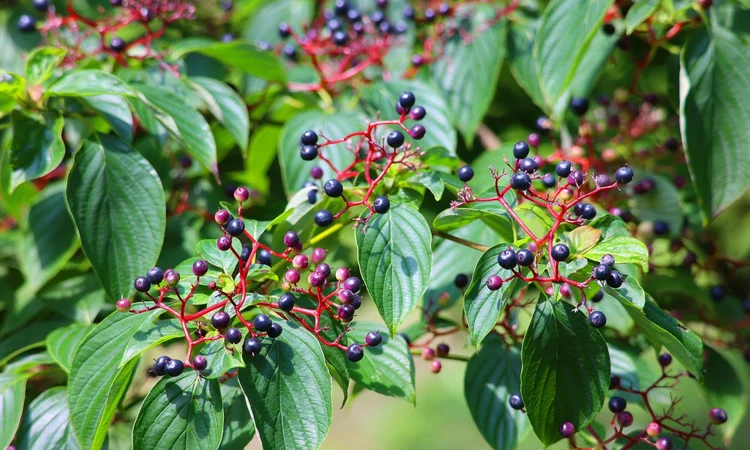
Much like with flowers, a wide number of fruits also become popular during the spring season, some of which can be poisonous to your pet if ingested. These include:
Apples (pips)
Apricots (stones)
Elderberries
Rhubarb (leaves)
Cherry (pits)
Grapes
Avocado
If you have any of these fruits in your home, keep them well out of your pet’s reach or in the refrigerator to avoid them accidentally being eaten.
What to Do if You Pet is Poisoned
No matter how vigilant you are, there is always a chance that your pet will eat something they shouldn’t. If this happens, or you notice any of the mentioned signs of poisoning in your pet, contact your vet immediately for an emergency appointment.
If you can’t reach your vet, you can also call the Animal Poison Hotline for immediate advice on how to help your pet.
Ensuring your pet's safety is one of the key parts of pet ownership, and we want to help you in any way that we can.






Leave a Reply
Your email address will not be published.