


Arthritis is a common disease in many pets that affects their joints, making them uncomfortable or even painful to move. In many cases, arthritis occurs naturally as your cat ages and their bodies begin to slow down. This may be surprising as cats can be particularly limber pets, but studies have shown approximately 90% of cats over the age of 12 will show signs of arthritis. It is simply their natural instinct to hide pain from others, including their owners.
Here, we discuss arthritis in cats, including how to spot the early signs and what treatment for arthritis in cats is available.
What Age Can Cats Get Arthritis?
As with other pets and even humans, a number of factors affect whether a pet gets arthritis, and while one of those is age, it is not a defining characteristic. Many cats will begin to show signs of arthritis after 10 years. However, cats with other medical conditions or who have suffered an injury may begin to show signs sooner.
Also, because cats are adept at hiding their pain, they may have even developed the disease before they begin to show signs of it. This is why it is essential to keep note of your cat’s typical behaviour so you can catch conditions earlier.
Signs of Arthritis in Cats
While cats hide their pain well, if you know your cat well, you can manage to spot cat arthritis symptoms early on and begin to make necessary adjustments to make things easier on them and their joints.
Some of the main symptoms of arthritis in cats include:
Limping or stiffness when moving
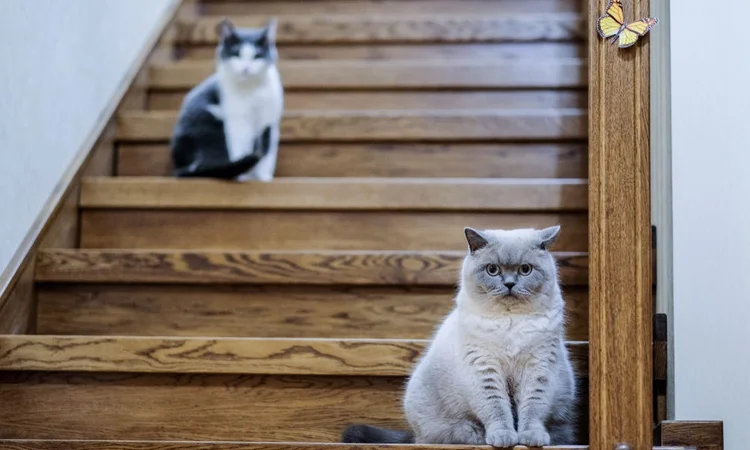
Difficulty using stairs or getting on/off of furniture
Not going outside as much
Being less playful and/or avoiding being touched
Struggling to groom hard-to-reach areas (back, back legs, base of tail) leading to matted fur
Over-grooming painful joints (this could lead to hair loss in these areas)
Lethargy (less energy than usual)
If you notice any of the above symptoms, you should contact your vet as soon as possible for a consultation. They will be able to discern if your cat is suffering from arthritis or if there is another condition affecting your cat.
Is There a Cure for Arthritis in Cats?
Unfortunately, there is no cure for arthritis in cats or any other species. However, there are preventative steps you can take to try and stave off your cat getting arthritis, as well as a range of treatments available and accommodations you can make in your home if your cat has been diagnosed.
Cat Arthritis Treatment
As we’ve mentioned above, there is no cure for feline arthritis. However, if your vet has diagnosed your cat with the condition, there are some options available to make life easier for them, such as:
Prescription anti-inflammatory and pain relief medication — These will be prescribed by your vet if necessary and can do wonders to help your cat move without pain or discomfort.
Cat joint supplements—There is a wide range of supplements for cats' joints, such as YuMOVE Joint Care for Cats, formulated explicitly with omega-3 fatty acids and glucosamine, key ingredients needed to care for and nurture your cat’s joints.
Exercise — It’s essential that your cat remains mobile, even when diagnosed with arthritis, as being too still can make their joints stiffer. Be sure to spend some time playing with your cat each day to encourage movement.
Weight control — Being overweight can put extra strain on your cat’s joints and may be one of the causes of their condition. Be sure to maintain your cat's healthy weight for their breed and perhaps switch to lower-calorie cat food, if necessary. Your vet can advise you if this is necessary.
As well as these changes to your cat’s lifestyle, there are adjustments you can make in the home to help them move about more easily without putting extra strain on their joints, including:
Using softer beds
Adding ramps or steps at places your cat struggles to climb (such as sofas or stairs)
Using raised food bowls
Keeping them warm
Using low-sided litter trays
We hope this guide has given you a better understanding of cat arthritis so you can be prepared should your cat begin to show signs of the condition. If your cat has already been diagnosed, or you want to give their joints a little more support, why not check out our great range of joint supplements for cats below? efore starting any program or treatment.






Leave a Reply
Your email address will not be published.