


Any horse owner knows that the most important aspect of a horse's care is ensuring the strength and health of their legs. Due to their size, horses need all four of their legs to distribute their weight evenly. Without even one of their legs, a horse is open to a vast range of health issues, some of which can be fatal.
This is why ensuring the health of your horse's tendons and ligaments is essential. Not only to ensure peak performance but also to maintain your horse's strength and ability in all aspects of their life. In this guide, we’re going to walk through the risks posed by horse tendon injuries and how you can protect and support horse tendons, including supplements for horses specifically formulated for tendon care.
Contents:
Importance of Horse Tendon Care
Possible Horse Tendon Injuries
Tendon Injury Prevention
What is a Tendon?
Every horse limb has multiple tendons and ligaments. The tendons are what attach your horses’ muscles to their bones to allow sound movement, support the lower limb, and provide essential support to their joints. They are complex structures which are integral to your horse's mobility and overall health and should be treated as such with the proper care and support.
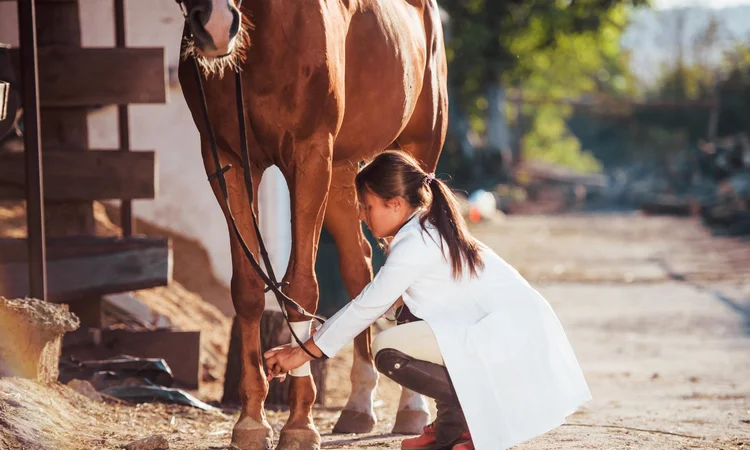
The Importance of Tendon Care in Horses
As mentioned, our horse’s tendons are an essential part of their anatomy, so it shouldn’t be a surprise that they need as much care and support as their internal organs.
By caring for their tendons throughout their life, you can prevent tendon injuries in horses and ensure they can keep working at their very best.
Horse Tendon Injuries
Horse tendon injuries often fall into one of two categories: external injury and overstrain injury. External injuries are caused by an external force, such as kicks, overreaching injuries, and lacerations, while overstrain injuries tend to occur when a tendon is overloaded or through the gradual build-up of tendon degradation or microtrauma.
A tendon injury disrupts your horse's entire limb structure and can have dire consequences if not properly handled and treated. Some of the most common tendon injuries in horses include:
Tendon sprains
Torn fibres (particularly in unfit horses)
Bruising, which can lead to tendon ruptures
Partial or full laceration of the tendon
Suspensory desmitis (an injury that keeps the fetlock joint from overextending)
If you are concerned that your horse is suffering from a tendon injury, you must contact your equine vet for professional diagnosis and treatment as soon as possible.
Can a Horse Recover From a Tendon Injury?
Thankfully, a tendon injury can heal, and some horses can recover fully with the right care and treatment. That said, there is no guarantee that your horse will return to complete soundness as a tendon injury. The tendon itself may not be as strong as it was before due to scar tissue and irregularly arranged fibres which can affect the elasticity of the tendon. This, in turn, increases the chances of re-injury.
How to Treat a Horse Tendon Injury?
As with many health conditions, the best type of treatment for a tendon injury is prevention. However, sometimes, no matter how cautious you are, injuries can happen. In these cases, there are a number of treatment options available.
First and foremost, if you think your horse has a tendon injury, consult your vet as soon as possible. They will not only be able to assess the damage already done to your horse and the extent of the injury, but they can also advise you properly with the right treatment method to ensure your horse heals properly.
Depending on the severity and type of injury, your vet may recommend the following:
Box rest
Applying ice to the affected tendon or cold hosing 2-3 times a day
Application of a kaolin poultice
Bandaging to immobilise the limb and ensure no further damage
Anti-inflammatories for pain relief and to reduce swelling
Once these treatments have been completed (usually within the first 10-14 days of the injury occurring), the severity of the injury can be properly assessed, and the next stage of treatment can begin. This typically involves a controlled exercise plan to help the new tendon fibres align to help increase the strength and flexibility of the tendon. You can help support your horse during this recovery phase with a range of horse recovery supplements, like Audevard EKYFLEX TENDON EVO for Horses.
In cases of severe injury, there are more intense treatment options that may be necessary, even going so far as surgery. Your vet will decide this after an assessment of the injured tendon.
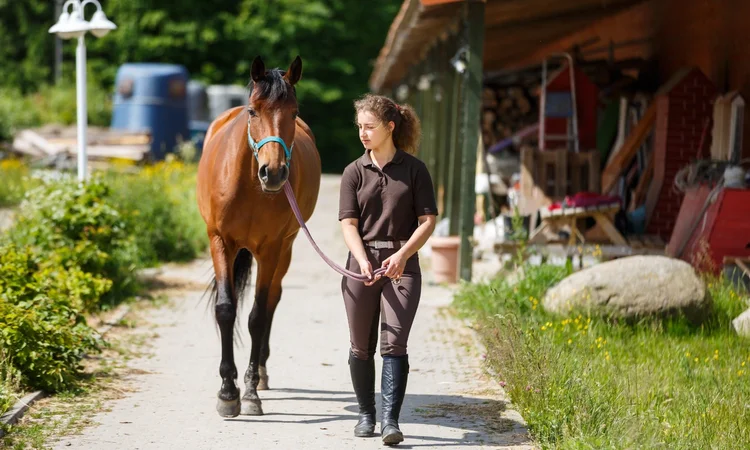
How to Prevent Tendon Injuries in Horses
As mentioned above, the most effective way to manage injured horse tendons is to ensure they never occur to start with. Some of the best methods to achieve this are:
Avoiding strain on your horse's tendons with proper shoeing
Maintaining your horse’s fitness and mixing up the terrain they walk on and exercise (such as trots, endurance walks and sprints). Just make sure you’re not overworking them or pushing for too much too quickly.
Ensuring proper nutrition to aid in high-quality collagen production, including complementary horse feeds.
Without the proper care and support, your horse’s complex tendons can be at a higher risk of any one of the tendon injuries mentioned in this article. Always ensure your horse is cared for in all aspects of their life, with the proper nutrition and exercise, and never overwork your horse.






Leave a Reply
Your email address will not be published.