





Whether your pet is big or small, they all need love and care just the same.
In this blog, we discuss how you can effectively care for your rabbits teeth, including how to check their teeth, signs that something is wrong, and what to do if your rabbit suffers from either gum disease or overgrown teeth.
How Many Teeth Do Rabbits Have?
One of the most defining features of any small pet, rodents and rabbits alike, is those big square front teeth, but what many people don’t realise is that rabbits actually have 28 teeth in total. These teeth include
4 long incisors: two on the top and two on the bottom, which are used for snipping grass or other vegetation.
2 “peg teeth”: behind the top incisors, which aid their incisors in shearing vegetation.
11 premolars and molars: six on the top and five on the bottom, which grind up vegetation so it can be swallowed.
How to Check Your Rabbit’s Teeth
The premolars and molars are too far back in your rabbit's mouth to be checked easily, so they should be left for a veterinary professional to do during your rabbit’s yearly health check.
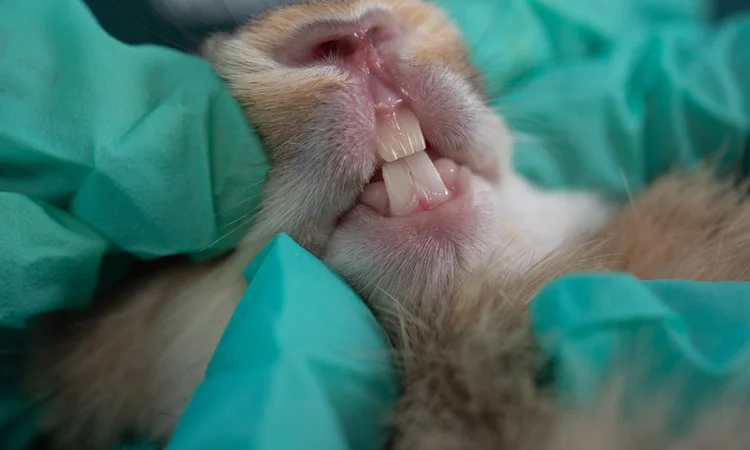
However, their front teeth (incisors) should be checked at least weekly to ensure they’re in good condition. This can be done by gently holding your rabbit facing away from you when they’re calm and gently parting their lips to reveal their teeth.
When you can see their teeth, check:
Their top and bottom teeth are meeting properly in the middle
Their teeth are not loose
That their gums are pink and healthy
Do Rabbit Teeth Keep Growing?
Yes! Rabbits teeth are what's called hypsodontic, which means they are continuously growing throughout your rabbit’s life.
While this is perfectly natural, it does mean that rabbits and other small pets, such as guinea pigs and rats, are also prone to a number of different dental conditions if they’re unable to grind their teeth down to an appropriate length.
Overgrown Rabbit Teeth
When a rabbit cannot wear their teeth down properly, or their top and bottom jaws are misaligned (a condition known as malocclusion), their teeth can soon become overgrown. Overgrown teeth can affect any teeth in your rabbit's mouth, not just the incisors.
Overgrown rabbit teeth not only prevent your rabbit from eating properly (if at all) but can also hurt your rabbit. As the teeth begin to curve, they can get caught on things such as wire mesh in hutches and runs or cage bars or grow into their gums and mouth, which can be incredibly painful for them.
A visual check of your rabbit’s incisors is usually enough for you to notice if they are becoming overgrown, as they won't meet properly in the middle, whereas the back teeth are harder to tell. As prey animals, rabbits don’t tend to show many signs that they’re in pain or ill, but there are some symptoms you should keep an eye out for, such as:
Drooling
Difficulty eating
Bad breath
Behavioural changes
If you notice any of these signs or see that your rabbit’s teeth are overgrown, you must contact your vet immediately. Overgrown teeth need to be trimmed down by a veterinary professional while the animal is under anaesthesia.
How to Prevent Overgrown Teeth in Rabbits
While overgrown teeth in rabbits can vary in severity, there are many ways you can help prevent them from occurring, such as:
Regularly checking their teeth (at least weekly).
Feeding them an appropriate rabbit diet full of grass, leafy veggies and hay will help mimic their diet in the wild.
Providing plenty of chewable toys and gnaw sticks encourages their natural chewing instincts and helps them keep their teeth worn down.
Dental Disease in Rabbits
Along with overgrown teeth, rabbits can also suffer from other dental diseases, such as dental abscesses and gum disease, which can be incredibly painful for your rabbit and significantly impact its well-being.
An insufficient diet most commonly causes these diseases, so choosing the right food for your rabbit is essential. You can learn more about what makes a suitable rabbit diet in our guide to rabbit care.
When checking your rabbit's teeth, make sure their gums look healthy and pink, not red or inflamed, as well as monitoring their usual behaviour for other symptoms of illness like:
Lack of appetite
Dropping food
Excessive drooling and wet faces or front legs
Facial swelling
Rubbing their face
A lack of grooming, particularly around their tail and rear end.
How to Care For Rabbit Teeth
As we’ve said above, caring for your rabbit’s teeth is key to rabbit ownership. A vet consultation should follow any signs of problems, as many rabbit illnesses aren’t noticed until symptoms are shown, which may be too late.
Remember, the best ways to care for your rabbit’s teeth are:
Weekly checks of their front teeth and gums
Feeding an appropriate and fibre-rich diet
Providing plenty of toys for them to chew and gnaw
Having their teeth checked by a vet once a year
By following these rabbit dental care tips, you can ensure that your bunny is running, hopping, and binking to its heart's content.






Leave a Reply
Your email address will not be published.