







Your cat's teeth are integral to their lives and not just for eating but for self-grooming and even playtime, which is why it's so important for you as their owner to understand how best to look after them.
In honour of Pet Dental Health Month, we’re going to walk you through the importance of your cat’s dental health, from the early signs that theirs a problem to recommendations on cat dental care products that really work.
How Many Teeth Do Cats Have?
When kittens reach 6-8 weeks old, they should have all 26 of their deciduous teeth (also known as baby or milk teeth), which tend to fall out between 10 weeks - 6 months old when your kitten is teething.
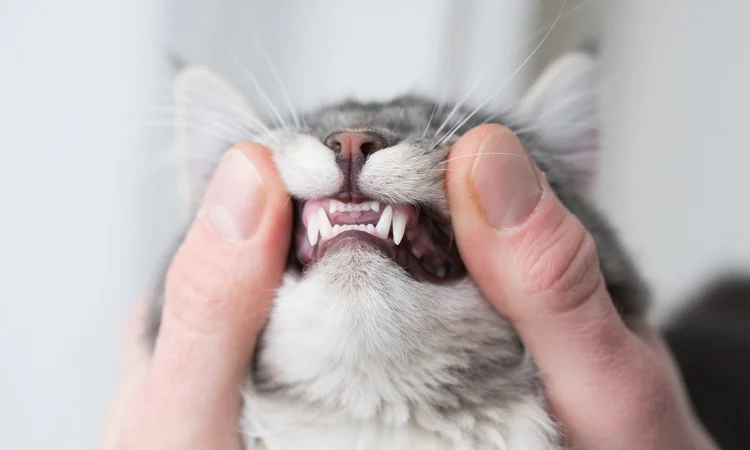
Once they’re adults, cat’s have 30 permanent teeth, which fit into the following categories:
12 incisors which are the small sharp teeth found at the top and bottom of your cat’s front jaw. These teeth are often used for grooming and picking things up.
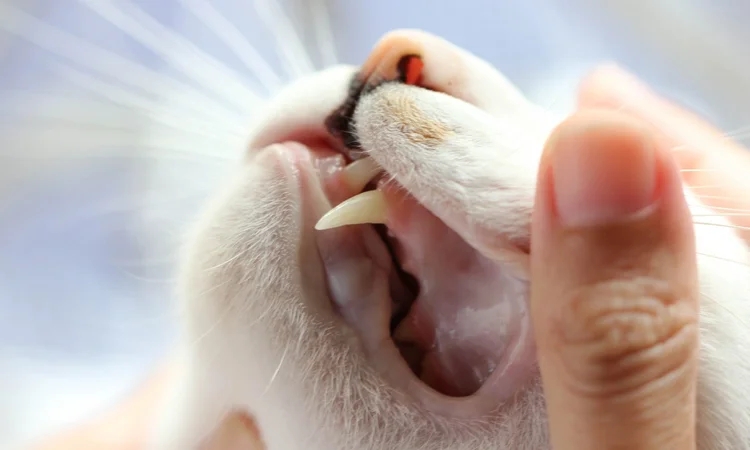
4 canines which might also be referred to as “fangs” - these are the four curved and sharp teeth (two on the top and two on the bottom jaw) beside the incisors. These teeth are used for gripping and shredding meat from prey.
10 Premolars and 4 molars which are the teeth beside the canines that lead toward the back of your cat’s mouth. These teeth are flat and strong to help your cat crush bone and break their food into swallowable chunks.
Your cat’s teeth are essential not only to eat their food but also for other aspects of their well-being, such as playtime and grooming. This is why you need to regularly check your cat’s teeth to make sure there are no signs of feline dental disease or other concerns, and implement a cat dental care plan to ensure they work their best, because once a cat loses their adult teeth, they can’t be replaced easily.
Dental Disease in Cats
Cat teeth need to be cared for just like a human's teeth, as the continual buildup of food, saliva, and bacteria can lead to plaque that develops into tartar once calcified. Tartar can be seen as a yellowish deposit on your cat’s teeth, most notably near the gum line, and can cause several problems with your cat’s dental health, such as gum disease and infections.
In the wild, cats can clean their teeth by chewing bones or grass to scrape off any plaque buildup, but domestic cats (particularly housecats) don’t have a suitable substitute for this, so it comes down to you as a cat owner to maintain their dental health.
Signs of Gum Disease in Cats
Gum disease in cats is a serious and unfortunately common condition in cats, with 70% of cats suffering from a dental disease (also called periodontal disease or periodontitis) by the time they’re two years old.
Cat gum disease can be measured in stages, each with their own warning signs, and if left untreated, it can quickly develop into a more severe case which requires more drastic measures, including but not limited to teeth extraction to treat.
This is why it’s essential to regularly check your cat’s teeth for early warning signs so you can manage the condition much easier. Some of the symptoms of gum disease in cats include:
Halitosis (bad breath)
Redness in gums (gingivitis)
Loss of appetite due to pain when chewing.
Drooling.
Swelling in the face and refusing to allow you to lift their lips or touch their face.
Changes in behaviour, such as unwillingness to play with toys.
It’s important to remember that periodontal disease is extremely painful, and cats don’t like to show signs of weakness, so some of these symptoms may not be noticeable until it’s too late. This is why checking your cat’s teeth and implementing regular dental care is essential.
If you notice any of these symptoms, contact your vet as soon as possible for a proper diagnosis so you can begin treating your cat’s teeth before any irreversible damage is done.
How to Prevent Dental Disease in Cats
Caring for your cat’s teeth is not unlike caring for a humans, and the best course of action is to brush your cat’s teeth. While this may seem obscure, this is the most effective way to help prevent plaque and tartar buildup and help keep their teeth healthy.
How to Brush Your Cat's Teeth
The first step to brushing your cat’s teeth is the get yourself the right tools. To ensure an effective dental routine for your cat, you should have:
A suitable cat toothbrush (one per cat to avoid cross-contamination)
A suitable cat toothpaste
It’s important you use a cat-suitable brush and toothpaste, as many human toothbrushes are too big and too rough on their teeth, and cat toothbrushes should be very soft to avoid any damage to the gums or mouth. Many human toothpastes also include ingredients such as xylitol, which is toxic to cats. In contrast, cat-safe toothpaste is explicitly made for cats and is available in palatable flavours your cat is more likely to accept.
Brushing your cat’s teeth can be challenging and cause a lot of stress for your cat, so it’s essential to take things slowly and at a pace your cat is comfortable with. It can take some time for your cat to get accustomed to this, and some cats may be more resistant than others, so always take this slowly to gain their trust, even if it takes a few days. It may take time, but once your cat is used to brushing their teeth, it can become a comfortable experience that will do wonders for your cat’s dental health.
1. Get your cat used to having their teeth and gums touched
You can do this by gently holding your cat when they’re calm and lifting their lip to expose their teeth. Start by gently massaging their gums with your finger or a cotton swab while they’re still, and stop if they start wriggling. If their particularly resistant, take it even slower by only touching the gums or teeth at the start of their mouth until they’re comfortable enough for you to start moving further back.
2. Introduce your cat to the toothpaste
When they’re comfortable and familiar with the taste and feel, they try rubbing some of their teeth and gums. Many cat-safe toothpastes are made to be palatable to cats with flavours such as chicken, fish or liver. If they don’t like the taste of their toothpaste, try other flavours until you find one that works.
3. Introduce your cat to the toothbrush slowly
Use the same method as with your finger or cotton swab. Hold the brush at an angle and gently brush it against your cat’s teeth, starting with the incisors before moving further back into their mouth.
4. Brush your cat’s teeth
Using both the toothbrush and a small amount of toothpaste, start brushing in a small, circular motion for approximately 10 seconds on either side before increasing the time to 30-45 seconds.
5. Focus on your cat’s back teeth
If your cat struggles to sit still for long enough. While these teeth are more difficult to reach, they’re also the ones most prone to problems.
6. Stay calm when brushing your cat’s teeth
This way your cat can learn this is a normal routine and not something for them to be scared of.
When you start off, you may notice some bleeding along your cat’s gum line, but don’t panic. This is common, and you should find it eases up the more your cat’s dental health improves.
If the bleeding is continuous or doesn’t ease, you may be brushing too hard, but it may also be a sign that gum disease has already set in, so contact your vet as soon as possible.
How often Should You Brush Your Cat's Teeth?
It’s best you brush your cat’s teeth daily after meals, but as cats prefer to eat multiple small meals a day, it may be better to keep it once or twice a day. Remember, something is always better than nothing, so if you can manage brushing their teeth a minimum of three times a week, this will still do wonders for their teeth and gums.
Alternatives to Brushing Your Cat's Teeth
All cats are different, and some may take to having their teeth brushed much faster or more easily than others. In some cases, brushing your cat’s teeth may be impossible, but that doesn’t mean you can’t still care for their dental health. Here are some options for caring for your cat’s teeth without brushing:
Feeding a dental cat food, like Hill's Science Plan Oral Care Adult Cat Food, is clinically proven to lessen plaque and tartar buildup.
Offering regular cat dental treats or chews designed to surround your cat’s teeth and scrape off plaque and tartar buildup when chewed.
Introducing cat dental supplements to your cat’s food, such as PlaqueOff for Cats or their water, like the Vet Aquadent from Virbac, which both work to improve your cat’s dental health without brushing.
While nothing really beats burshing your cats teeth, these alternatives can be a great place to start! Just bear in mind that dental cat treats and chews will count towards your cat's 10% daily treat allowance.
Caring for your cat’s teeth doesn’t need to be an ordeal. With time and patience, you can build a routine that both you and your cat are comfortable with to ensure their teeth are always in tip-top health.






Leave a Reply
Your email address will not be published.