







Dental problems in cats are very common, with a 2023 study from the Royal Veterinary College (RCV) found 15.2% of cats are diagnosed [with dental disease] annually," which is an estimated 1.8 million cats a year, not to mention those who go undiagnosed. The risk of a cat developing periodontal disease also increases with age, with 85% of cats over 3 years old diagnosed.
While many cat owners think it's difficult or impossible to keep their cat's teeth clean, we're here to show that's not the case. With a solid dental care routine at home and regular dental checks at the vets, you can keep your cat's teeth and gums healthy and clean with ease! Read more to learn how.
Causes of Cat Dental Problems
Dental problems occur in cats when food and bacteria in their mouths harden on the teeth, forming plaque.
This plaque hardens over time to form tartar, which, in turn, causes inflammation of the gums (also called gingivitis). If this tartar is not removed from your cat's teeth, they will eventually develop periodontal disease.
Cleaning your cat's teeth regularly with a cat toothbrush and toothpaste is the best way to prevent plaque build-up and the development of dental disease.
Other factors that can contribute towards feline dental problems include:
Age—Dental disease is more common in older cats
Breed—Some breeds are more likely to suffer from dental disease than others
Diet—Feeding a diet containing lots of wet, sticky foods can lead to a buildup of plaque on your cat's teeth
Dental Disease in Cats
Periodontal disease, or periodontitis, is an inflammation of the periodontium (the soft tissues supporting your cat's teeth). If periodontal disease in cats is left untreated, it can affect the gums, teeth, and tooth roots, leading to loosened or lost teeth.
Dental disease in cats can also cause systemic disease that affects other parts of the body, as the gums are directly connected to the bloodstream. Bacteria from unhealthy gum tissue can travel through the bloodstream, leading to:
Secondary infections & illnesses
Strain on the liver & kidneys as they filter out the additional bacteria
Infection from bacteria attaching to the heart valves
These secondary infections or illnesses can have a dire impact on your cat's health if left unchecked, but they can be easily prevented with a suitable cat dental care routine.

Vet Dental Care for Cats
During your cat's routine health check, the vet will examine your cat's physical health, including their teeth. If they notice any signs of dental disease, they may recommend changes to your at-home dental care, or they may suggest veterinary dental treatment for your cat.
During the assessment, your vet will score your cat's dental health. Recommendations for treatment are decided based on this score, which, according to the Royal College of Veterinary Surgeons, is as follows:
SCORE/DESCRIPTION/RECOMMENDATION
0:No sign of plaque or gingivitis.Preventative care at home: routine brushing or dental care alternatives.
1:Signs of mild plaque or gingivitis. Preventative care at home: routine brushing or dental care alternatives.
2:Mild to moderate tartar & gingivitis on multiple teeth.Dental evaluation & treatment under anaesthesia (within 3 months) followed by preventative care as above.
3:Heavy tartar & periodontal disease. Wobbly teeth. Dental evaluation & treatment under anaesthesia (within 1 month) followed by preventative care as above.
M:Mobile or wobbly teeth.Dental evaluation & treatment under anaesthesia (within 1 month) followed by preventative care as above.
F:Fractured or discoloured teeth.Assess, X-rays & treatment under anaesthesia (within 1 month)
R:Tooth resorption.Assessment, X-rays & extraction under anaesthesia (within 1 month)
Veterinary dental care may be required for moderate to severe (From Score 2) cases of dental problems or disease in cats, and may include:
Cat Teeth Cleaning at the Vets
Having your cat's teeth professionally cleaned by a veterinary professional is a great way to stay on top of their dental health or to prevent/reverse dental disease depending on the stage.
A veterinary dental assessment and cleaning takes place while your cat is under anaesthesia. This allows the vet to throughly clean your cat's teeth above the gumline with an ultrasonic scaler and polish them.
Your vet may also take X-rays of your cat's teeth to assess the roots.
Cat Dental Extractions
In the later stages of cat dental disease, the tooth damage may be irreversible, leaving extraction as the only option.
This procedure is also done under anaesthesia and requires the vet to remove the entire tooth (including roots) and suture the gum. Follow-up X-rays will also be required to ensure the entire root was successfully removed, and medicaton prescribed to aid your cat's recovery.
Preventative Dental Care for Cats
Depending on your cat's age, they should have a routine health check at the vet once a year (or more for young or ageing cats, or cats with existing health conditions) when they have their annual boosters. This health check should include a dental checkup and is intended to identify any signs of cat dental problems and catch them early. Your vet may recommend additional treatment depending on your cat's dental health, such as at home brushing, or even cleaning your cat's teeth proffessionally.
Alongside these regular checks, there are other steps you can take to ensure your cat's dental health, which we detail below:
Brushing Your Cat's Teeth
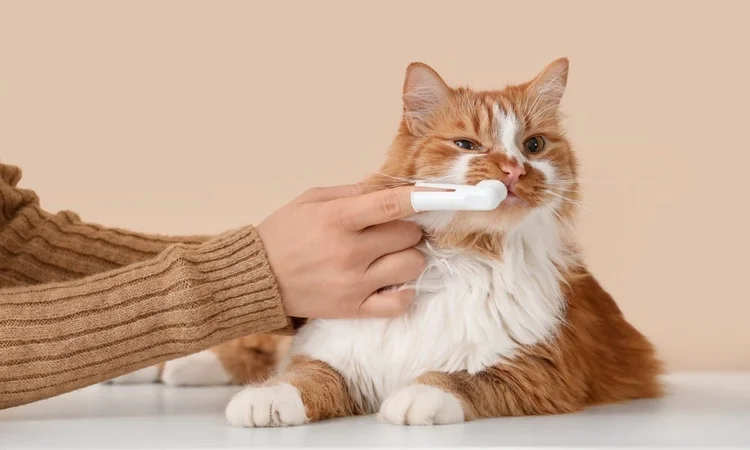
The best way to prevent dental disease in cats is to brush their teeth. Brushing helps remove plaque and tartar from the teeth, essentially removing the root of the problem.
Specially designed toothbrushes for cats can be bought online or at the vets, along with cat-safe toothpastes.
Never use a human toothpaste on your cat—human toothpastes contain Fluoride, which is toxic to cats.
Cat Dental Foods
Feeding your cat a high-quality cat food is essential for their overall health, providing all the necessary nutrients they need to thrive.
However, if your cat is prone to dental problems, you can also buy dental cat foods like the Hill's PRESCRIPTION DIET T/D Dental Cat Food, which are specifically formulated to push plaque and tartar off your cat's teeth as they bite into the kibble. The biscuits also contain a special antioxidant formula, which has been shown to help reduce the progression of feline dental disease.
Other dental cat foods include:
Royal Canin Veterinary Expert Dental Cat Food
Royal Canin Adult Dental Care Cat Food
Hill's Science Plan Oral Care Cat Food
James Wellbeloved Oral Health Cat Food
If you're not sure if a dental food is right for your cat, speak with your vet for recommendations.
Dental Toys & Chews
In the wild, cats maintain their dental health by chewing on bones, leaves and grass, or by simply eating their prey whole (if small enough).
Since many domestic cats are fed on cat food, they need other ways to keep their teeth in check, and chewing toys is a great alternative. While not as effective as brushing, cat chew toys and sticks can help maintain their oral health.
You can also grow your own cat grass indoors for your feline friend to munch on safely without any fear of them getting sick or poisoned.
There are also a range of cat dental treats which, when given daily, can help reduce plaque build-up on their teeth. These tiny treats can be given as they are, or used in cat treat toys for added enrichment. Options for cat dental treats include:
Purina Dentalife for Cats
Scrumbles Krunchies Cat Dental Treats
ProDen PlaqueOff Dental Bites
ProDen PlaqueOff Soft Dental Chews
Note: Cat grass, toys, and treats are not a replacement for a proper dental hygiene routine.
Dental Supplements
Certain dental supplements for cats, like the Proden PlaqueOff for cats can be added to your cat's food and aid in their dental health. When used daily, these supplements or water additives, such as Vet Aquadent, can help control dental plaque, tartar, and bad breath.
Other cat dental supplements include:
Vetpro Dental Health Support Supplement
Beaphar Dental Powder
YuMove Dentail Daily Clean Powder
Plaqtiv+ Oral Care Water Additive

Cat Dental Treatments FAQs
How Often Should I Brush My Cat's Teeth?
Ideally you should aim to brush your cat’s teeth once daily.
While you may find it difficult to brush daily, the more regularly you brush your cat’s teeth, the more beneficial brushing will be.
If your cat's not used to having their teeth brushed, you can get them used to it by introducing a dental gel that is rubbed onto their teeth and gums to kill bacteria and slow plaque accumulation in the meantime.
Should I get my cat’s teeth checked regularly by the vet?
Yes, the vet should check your cat’s teeth regularly and will do this when you take your cat in for its yearly booster vaccination.
Most veterinary practices also offer regular dental checks with a qualified veterinary nurse.
What should I do if I Notice My Cat Has a Problem with its teeth?
You should book an appointment with your local veterinary practice so that a vet can check your cat’s teeth, as your cat may need dental treatment.
Will Dental Treatment Be Covered on my Pet Insurance?
Some pet insurance companies will cover for dental treatment if it is performed within a set period of time afteryour vet has recommended treatment.
However you should check policy or contact your insurance company before any treatment is performed by your vet to find out what coverage you have.
Your cat's mouth is meant for more than just eating. Cats use their mouths for communicating, grooming, playing, and so much more.
Make sure you're prioritising your cat's oral hygiene with regular brushing and care.






Leave a Reply
Your email address will not be published.