

Key Takeaways
There are over 70 recognized cat breeds, but only around 41 are recognized by the CFA. A breeds' recognition can vary by different cat registries.
Non-pedigreed cats, commonly known as Domestic Shorthair cats, do not belong to any particular breed but can still be celebrated in cat shows.
Cat color patterns like tabby, calico, and tortoiseshell are determined by genetics and are not indicative of a cat's breed status.
Cat lovers who are not involved in the Cat Fancier's Association or other breed registries often find the terminology, such as purebred, domestic shorthair, or tabby, confusing.
To address this confusion, we will clarify these terms to help cat enthusiasts better understand their meanings.
Breeds, "Purebred," and Pedigree
Over 70 cat breeds are recognized by various cat registries. The IPCBA (International Progressive Cat Breeders Alliance) recognizes 73 breeds, while the more conservative CFA (Cat Fanciers' Association) recognizes only 41. Developing and registering a new cat breed is a lengthy process, and not all attempts succeed. For instance, the CFA does not recognize breeds from "wild stock," like Bengals or Savannahs, though TICA (The International Cat Association) and IPCBA do.
To be registered as a pedigreed cat, a cat must have a traceable lineage spanning several generations. The term "purebred" is not commonly used by breeders or cat associations but is popular among the general public.
What Is a Purebred Cat?
A purebred cat has ancestors that belong to the same breed or include a few crossbreeds allowed within breed specifications.
Each breed registry sets the accepted color patterns for each breed for show purposes.
Non-Pedigreed Cats
Non-pedigreed cats are often described using various terms:
Domestic Shorthair cat: This is the term used to identify pet cats not known to be of any particular breed. Some breed registries include a class in some of their shows for domestic shorthair cats so that you can show off your beautiful kitties and perhaps bring home a ribbon. These cats are sometimes referred to by their hair length: DSH, or domestic shorthair; DMH, or domestic medium hair; and DLH, or domestic long hair.
Housecat: A cat of any breed or coloring that is domesticated and living in a house.
Moggie: This term was first used in the U.K. as an affectionate description, and many cat lovers in the U.S. and Canada now use it to refer to their cats.
Alleycat: Thanks to the educational efforts of groups such as ACA (Alley Cat Allies), this term has fallen out of use, as cats are taken out of alleys and brought into loving, permanent homes.
Mixed Breed: This term is most often used when a cat has identifiable features which might indicate a "purebred" cat is somewhere in its background. Commonly seen mixed breeds in shelters include Maine Coon mix, Persian mix, and Siamese mix.
Polydactyl Cats
Polydactyl cats, also called "polydacts" or "Hemingway cats" are sometimes confused as a "breed," however they fall under the domestic shorthair cat category. Truthfully, most breed registries do not accept polydactyl cats in their standards.
What Is a Polydactyl Cat?
A polydactyl cat has more than the usual number of toes. Typically, cats have four toes on each back paw and five on each front paw. This trait is considered a genetic anomaly.
Ernest Hemingway owned several polydactyl cats at his estate, allowing them to breed freely, so many descendants of his original cats still reside there. Polydacts can appear in a wide range of colors and patterns.
Color Patterns
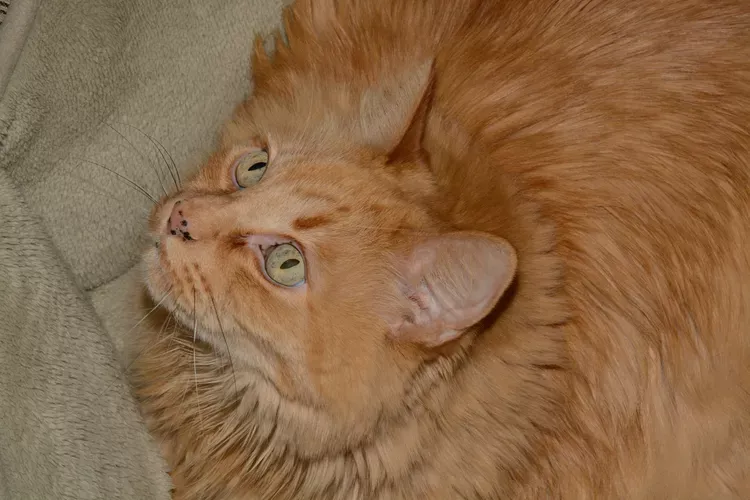
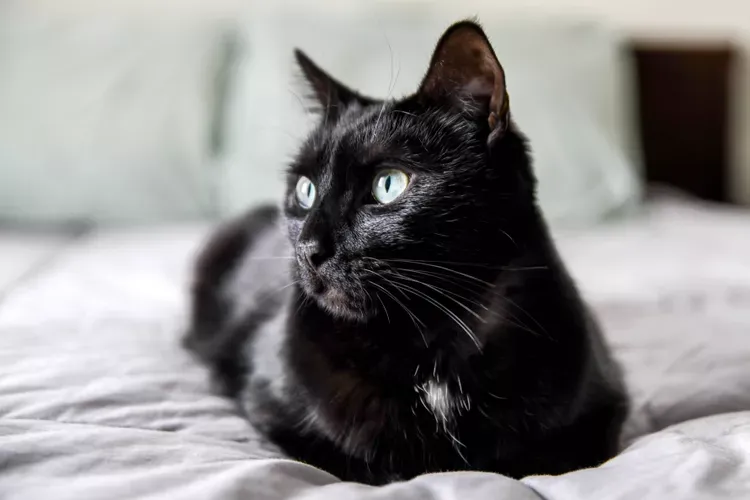
Cats, both pedigreed and domestic shorthairs, exhibit a range of colors and patterns. These features result from genetics and in-utero development, so a calico mother may have calico, tabby, and solid or bicolored kittens in one litter, based on her genetic makeup and that of the male cat(s). Cats come in three basic solid colors, known as "self" colors: red (commonly called "orange," and sometimes affectionately referred to as "ginger," or "marmalade"), black, and white.
Common Cat Color Patterns
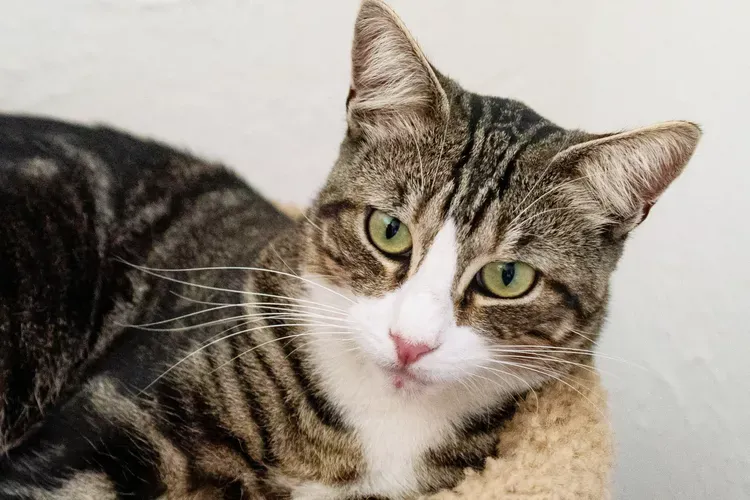
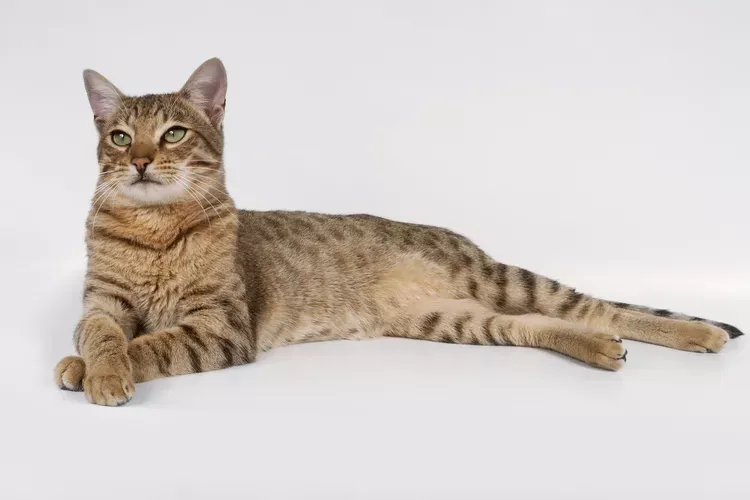
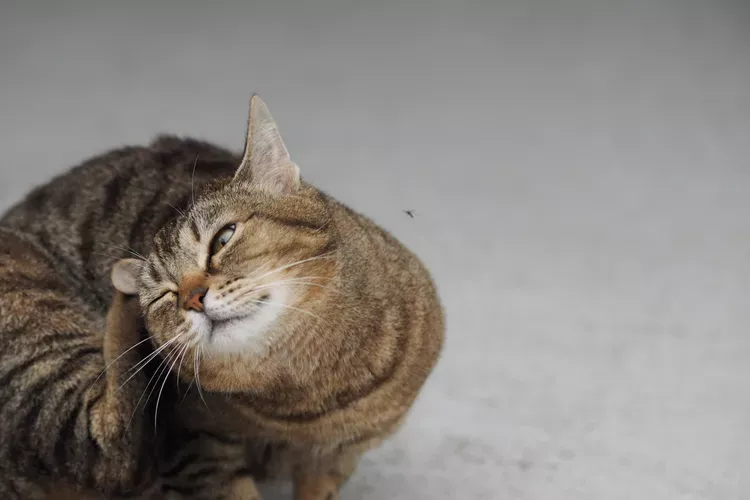
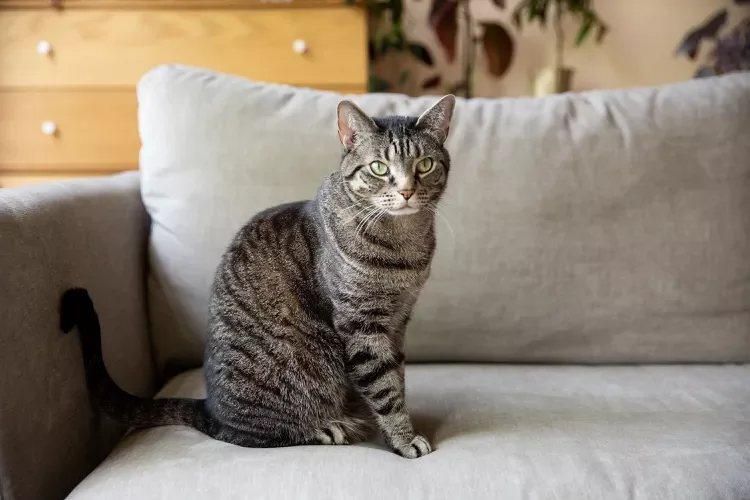
Tabbies: Tabby cats have some of the most common patterns and are some of the most popular. They are easily differentiated by their stripes, whorls, and spots ( the latter generally found on their tummies) and each pattern has a distinct name. Striped tabbies are often referred to as "tiger," for obvious reasons. Depending on the specific pattern, the striped tabbies may be referred to as a Mackerel tabbies or Classic tabbies. Spotted tabbies are another official variety and while Spotted tabbies sometimes crop up in a domestic shorthair, they are also often found in certain breeds, such as the Ocicat, Bengal, Savannah, and the American Bobtail. Other patterns described for tabbies include the Ticked tabby, and Orange tabby, all of which have beautiful and unique patterns. Tabbies may also wear white "accessories," such as a bib, vest, or "boots." Thus, they could be described as a "tabby with white."
Solids: Solid colored cats come in four basic colors, plus "dilute" colors of each.
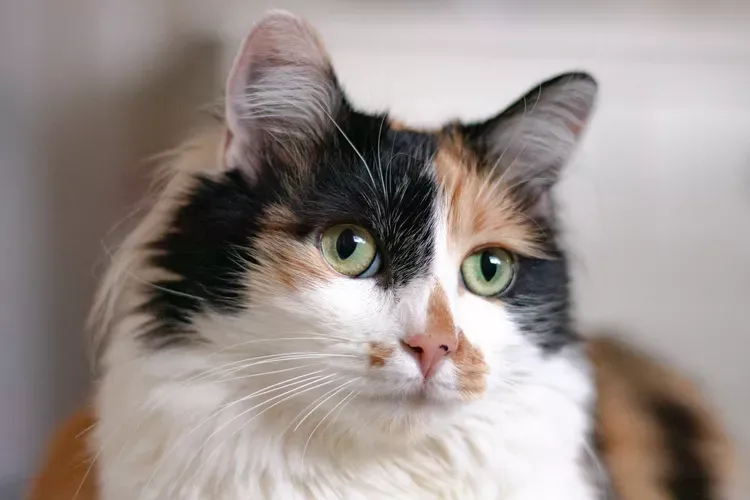
Tri-color Cats: Because of the associated genetic factors that create their color patterns, tri-color cats almost always are female, although occasional males crop up (about one in 3,000, according to this excellent article by Barbara French) Those rare males are almost always sterile, also for reasons of genetics, so don't expect to gain a fortune by selling your male calico cat.
Calico: Separate solid blocks of color, which must include red (orange), black, and white. They also may have blocks of tabby pattern, which produces an extremely colorful and beautiful cat. Dilute calicos, have the same separate blocks of color, only the colors are "diluted," i.e. "faded" shades of the original, which gives them an ethereal appearance. A dilute calico will have pale orange or buff for the red, and gray (or "blue") for the black.
Tortoiseshell AKA "Tortie": Torties are not true tri-color cats because they do not all contain white. Instead of solid blocks, torties' coats weave the black and red throughout, creating a tapestry of color. They can evoke a feeling of fall. Tortoiseshell cats may also be dilute, with softer versions of the colors. Like the tabby, some torties may also have white accent markings, creating a "tortie with white." They also sometimes have an interesting mix of tortoiseshell, with a bonus of tabby patterning mixed throughout. These cats are referred to as torbies. It should be noted that white plays a very small role in the tortoiseshell pattern; most of the color weaving is done with the red and black components.
Tuxedo: Tuxedo cats were so named for their glossy black coats, enhanced with white bibs and "spats," (less flamboyantly described as white feet).
Bi-Color: Bi-colored cats may include tuxedos, as well as other configurations on one color plus white. A black and white cat might be better described as bi-color if the colors are present in large blocks on the cat's body rather than the "bib and boots" pattern. Other bi-colors might include gray and white, brown and white, or red and white.
Points or Pointed Markings: "Points," or darker shades of the body color, generally include the ears, muzzle, tail, and feet of the cat. The original pointed cat was the Siamese, and many years later, the Himalayan was developed by crossing Siamese with Persian cats. Many other breeds of pointed cats are now accepted by cat registries, including Ragdoll, Ragamuffin, Birman, Exotic, Balinese, and Javanese. Breed registries disallow pointed patterns in most other breeds. Many mixed breed cats display these distinctive points, which may be found in various colors.




Leave a Reply
Your email address will not be published.