



Autumn is one of the best times of year to sow your grass seed as the soil is moist and warm, but did you know that grass seed can pose a danger to pets? In this blog, we’re going to talk you through some of the dangers of grass seed for dogs and cats.
Dangers of Grass Seeds for Dogs
While grass seeds don’t pose an immediate danger to your dog like some plants, they can be a very present pain. This is because to propagate, grass seeds need to fly and stick, and so have evolved an arrowhead-like shape, which is the root of the problem.
Skin and Coat
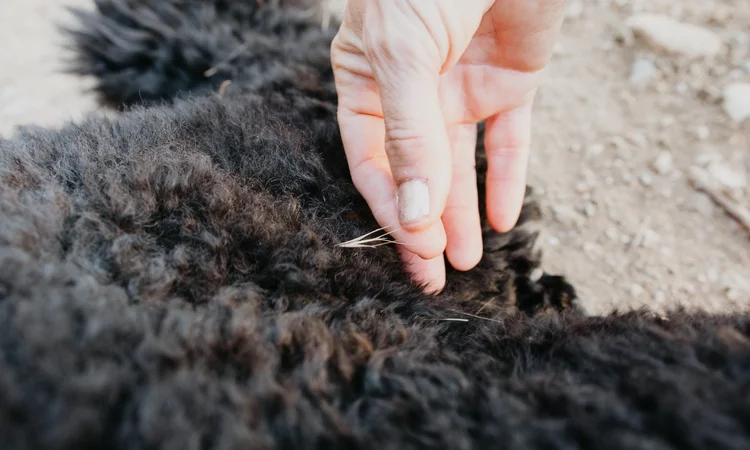
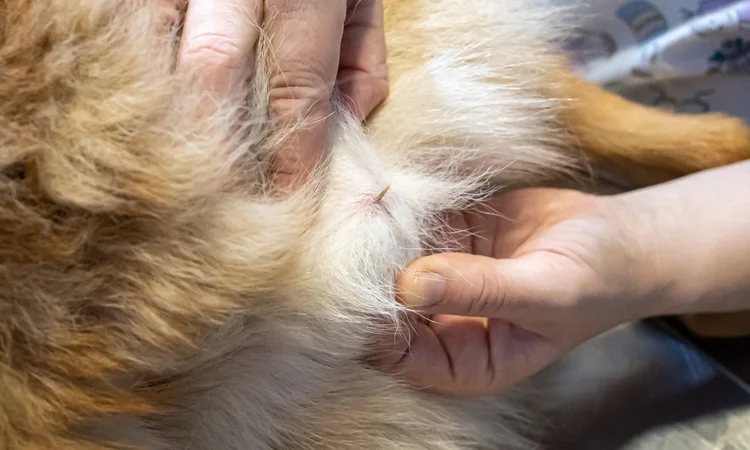
Due to their shape and how they can get caught in the wind, grass seeds can easily get caught in your dog’s coat, especially if they’re long-haired or even burrow down into their skin. This can cause irritation for your dog, which leads to overgrooming.
This, in turn, can be bad as overgrooming in dogs can lead to skin irritation, sores, and even hair loss. If the grass seed is able to penetrate your dog’s skin, it can also allow bacteria in, leading to infections or abscesses.
Paws
Due to their sharp shape, grass seeds can become lodged in your dog’s paws and cause them to limp or become lame. If the seed isn’t easy for them to groom out, then it can cause further irritation, and they overgroom their paws, leading to sores and pain for your dog walk.
If the see really burrows in between the toes, then this can also make the perfect conditions for bacteria to get into your dog’s paws, leading to infection.
Face
Dogs love to sniff around, and if they get grass seeds in their nose, it can cause irritation, leading to excessive sneezing, difficulty breathing, and damage to the airways. It may also cause pneumonia or an airway blockage, which is detrimental to your dog’s health. The same can happen if they get into your dog’s mouth as they can be easily swallowed, leading to coughing or even difficulty swallowing, swelling, and even infection if they penetrate the soft tissue of your dog’s throat.
If the seeds get into your dog’s eyes, they can cause tearing or discharge, redness and inflammation and may also scratch your dog’s sensitive eyes. This can cause more serious problems with your dog’s eyesight and potentially lead to corneal ulcers or even blindness.
Your dog's ears are another potential problem, and you may notice your dog scratching their ears and shaking their head. If left untreated, this can also lead to redness and potentially an ear infection, which can be incredibly painful and uncomfortable for your dog.
Internal Problems
It’s very easy for your dog to ingest grass seeds while grooming themselves or inhaling them by sniffing the ground. This can cause problems with your dog’s internal organs as the seeds cause irritation, particularly to their lungs or gastrointestinal tract.
The most common signs that your dog has eaten or inhaled grass seeds include retching, coughing, sneezing and painful bathroom habits if they’ve made it into the intestines.
How to Protect Your Dog From Grass Seeds
While the dangers of grass seed for dogs might seem quite dire, there are a number of preventive measures you can take to ensure that they’re kept safe and protected from these sharp little seeds.
The best ways to protect your dog from grass seeds include:
Avoid areas with long grass — This includes your own garden, so make sure you keep your lawn trimmed and collect the cut grass to dispose of properly.
Grooming your dog and keeping their coat a manageable length — this can catch any seeds that are aught in their coat before they get the chance to reach the skin.
Check your dog after walks — This applies to more than just their fur, but you should also aim to check their eyes, ears, and nose aren’t suffering from any kind of irritation and that their feet are clear of seeds as well.
If you notice any of the mentioned symptoms that your dog is suffering because of grass seed (such as retching, limping, over-grooming, etc.), then get in touch with your vet as soon as possible. They are experienced in dealing with grass seed extractions and have the necessary means to treat or prevent any infection that might occur.
While there are problems that grass seeds can cause for your dog, this doesn't mean you should stop walking them. Exercise is essential to your dog’s daily routine, and being out of the house is important for their enrichment. Follow the above tips to avoid grass seed drama, and your dog should be fine.
To ensure your dog's safety while outside in the garden or away from home, make sure you're up to date with its routine healthcare, like flea and worming treatments, which you can browse below.




Leave a Reply
Your email address will not be published.