
Whether you’re preparing to bring home your newest family member or you’re considering getting a cat in the future, it’s important to know how to prepare your home to make it suitable for a cat. Cats are curious by nature and love to explore their environment, whether it’s indoors or out. However, like most pets, cats don’t have a sense of what is dangerous to their health or well-being, especially when it comes to everyday items that you might not even think of as a hazard.
While you can’t ensure your cat will be completely safe all the time, there are some steps you can take to make your home a little more accommodating to your new feline friend, and by being aware of these everyday dangers, you can learn to avoid them in the future.
How to Cat-proof Inside Your Home
Whether you’re going to be keeping your cat inside all the time or you’re going to let them wander around outside as they wish, your house is still going to be their home, the place they feel relaxed and can sleep and eat without worry. Here we’re going to take a look at some of the most common hazards to cats in your home and what you can do to protect your furry friend from harm.
Houseplants Toxic to Cats
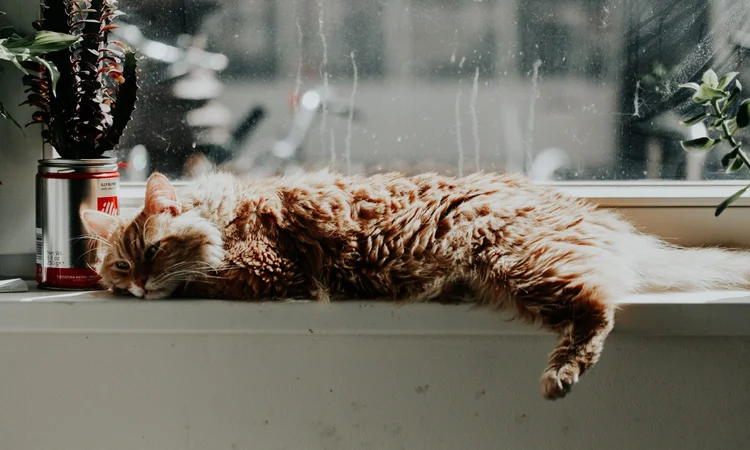
House plants are a wonderful way to brighten your home and bring a small part of the outdoors inside. However, a wide variety of common plants (both potted and cut) are toxic to cats if ingested. Before you bring a cat into your home, ensure you only have non-toxic plants around and that they’re kept up and out of your cat’s way to prevent any accidental damage to pottery, vases or other ornaments. Some of the most common houseplants that are toxic to cats include:
Lilies
Eucalyptus
Jades and many other succulents (always check if a plant is pet-safe before bringing it into your home)
Fiscus
Monstera
Poinsettia
Caladium
And more!
The reaction to your cat ingesting a toxic plant can vary in severity, from slight stomach upset or vomiting to cardiovascular or respiratory issues, so always ensure that whatever plants you bring into your home are pet-safe. You can find a range of pet-safe houseplants in our Ultimate Guide to Pet-Friendly Plants.
Second-Story Windows
While it’s common knowledge that cats love being up high and (almost) always land on their feet, it doesn’t mean that falling from a height won't harm them. The most commonly cited height a cat can fall without injury is 8 feet, and most second-story houses stand at approximately 20 feet.
Always ensure that your upper windows are kept closed, or if you need to have them open, that they are never open wide enough for your cat to squeeze through. Some cats can get through gaps as small as three inches wide, so keep this as a maximum to err on the side of caution.
If you need to have your windows open and are concerned about your cat’s safety, you can always install a cat-proof window cover, which is usually made of a PVC-coated mesh that allows a breeze in through your window without letting your cat out!
If you live in a flat or house with a balcony, make sure your cat doesn’t have access to it as they can (and will) jump up onto railings and balustrades, where they can easily become unbalanced and fall.
Electrical Wiring
While chewing things is usually more attributed to dogs, cats and especially kittens will also chew on things they shouldn’t, and they can’t resist the sight of dangling string or wires.
Make sure that, where possible, electrical devices are unplugged when not in use, and any loose wires are fixed down to remove the temptation to bat or bite. Not only can this lead to electrocution from live or frayed wires, but cats may pull on dangling wires from lamps or other corded appliances, resulting in a potential injury for them, and broken electronics for you.
Plastic Carrier Bags
For some unknown reason, bags of all kinds are simply irresistible to cats who love to either lie on top or climb inside of them. While this is an adorable quirk, if your cat climbs inside a plastic carrier bag, they can soon become stuck and suffocate. Ensure all your shopping bags are kept out of sight and somewhere your cat can’t get inside them. If a plastic or canvas bag has been left out, always be sure to check it for any hidden kitties before discarding it or kicking it with your foot as well.
Fires and Heaters
Cats love to be warm, and you’ll often find them snoozing away in a nice sunspot or beside a heat source. Again, while this may seem sweet and cosy, it can easily turn into a disaster, so make sure your cat is never unattended in a room where there is a lit fire or an active heater.
Cats are also known to knock over freestanding heaters after jumping on top of them, only to find them too hot for their paws. It’s not uncommon for a cat to jump off and take the heater down with them, which can quickly lead to a house fire, so always ensure your cat can’t jump onto any freestanding heaters and don’t let them get too close while they’re on.
Indoor Cat Hiding Places
Small spaces make cats feel safe and secure, and they’re always looking for new nooks and crannies to hide away in while they sleep through the day. This means that some of the most innocuous spaces in your home can soon become a place where your cat may accidentally get trapped. The most common places cats get trapped in homes are:
Washing machines or tumble dryers
Ovens
Chimneys
Always close the doors to ovens and washing machines after use to prevent your cat from jumping in, and fence off your chimney to remove temptation.
How to Cat-Proof Your Garden
If you’re planning on letting your cat roam free in the outdoors, or even if you’re only going to let them explore your garden, there are still some safeguards you can put in place to ensure their safety.
Garden Plants Toxic to Cats
As with houseplants, there are plenty of outdoor plants that can be toxic to your cat when ingested. While you can’t stop your cat from roaming around and eating what they want elsewhere, you can at least make your garden a cat-safe space for them to bask in the sunshine.
Some of the most common toxic garden plants are:
Lilies
Daffodils
Cyclamen
Widow's thrill
Foxglove
Crocus
Iris and gladioli
Hyacinths
Tulips
And more!
To help keep your home and garden safe, make sure you don’t have any of these plants growing in your garden.
Cat-Safe Weed Killer & Lawn Treatments
You should always be wary of chemicals around your pets, especially when it comes to the ones you use in your garden. Many weed killers and lawn treatments are long-lasting and highly toxic to pets. Always make sure you buy pet-safe garden chemicals or use natural methods like hand weeding or pressure washing patios.
You should also make sure you know the signs of weed killer poisoning in your pet in case one of your neighbours decide to treat their garden, and your cat goes for a mosey. These symptoms include:
Vomiting
Anorexia
Lethargy
Tremors
Eye and/or skin irritation
If you think there’s a possibility your cat has consumed weed killer, contact your emergency vet immediately to have them checked over and treated.
Outdoor Hiding Places
As with the inside of your home, there are a number of places you might go to hide while they’re in your garden, where they can soon become trapped. What’s more, these outdoor storage spaces hold their own dangers as they are often used to store items not fit for the indoors, including toxic garden or pool chemicals and sharp tools.
If you’re going into your shed, garage or other outbuildings, always make sure you keep the door shut so your cat can’t sneak in after you, and always double-check this space before you lock it up behind you.
Cats also like to hide out around, on top of and under cars, often drawn by the warmth of the engine. Sometimes cats will jump through the underside of the car and into one of the wheel wells, which can pose a serious risk of them being injured. When getting into your car, slam the door harder than necessary to wake any napping cats and always give the underside of your car a check before pulling away.
Outdoor Drowning Risks for Cats
It’s a known fact that cats aren’t a big fan of water, so they tend to avoid it most of the time. But accidents do happen, and you need to be prepared for them. If you have a swimming pool or pond in your garden, make sure it’s always covered when it’s not in use and make sure that any standing water is cleared off regularly. If you’re covering your pool, it’s recommended you get a hard surface so if your cat decides to try and walk across the covered water, they don’t get sucked down into the plastic.
Wire mesh can be installed on top of a pond to reduce the risk of cats falling in and protect the wildlife or fish living inside. Win-win!
Bringing a cat into your home can be an adjustment, but with all the cuddles and playtimes waiting around the corner, we promise you it’s worth it! By following this guide, you can rest assured you’ve taken the necessary steps to make your home safe for your cat.





Leave a Reply
Your email address will not be published.