
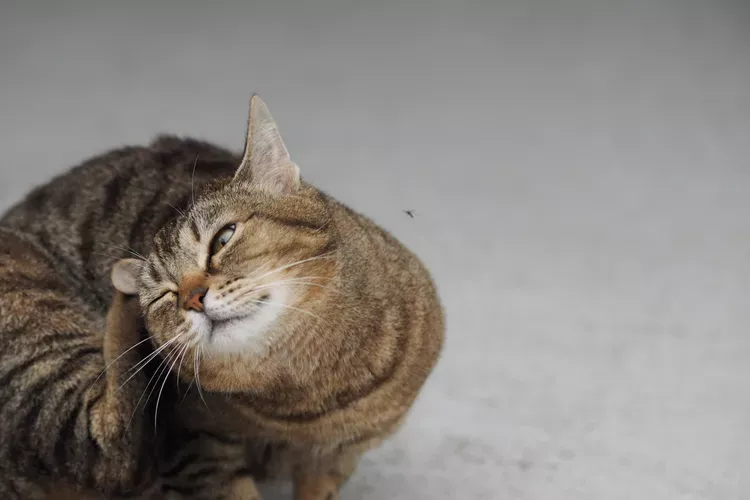
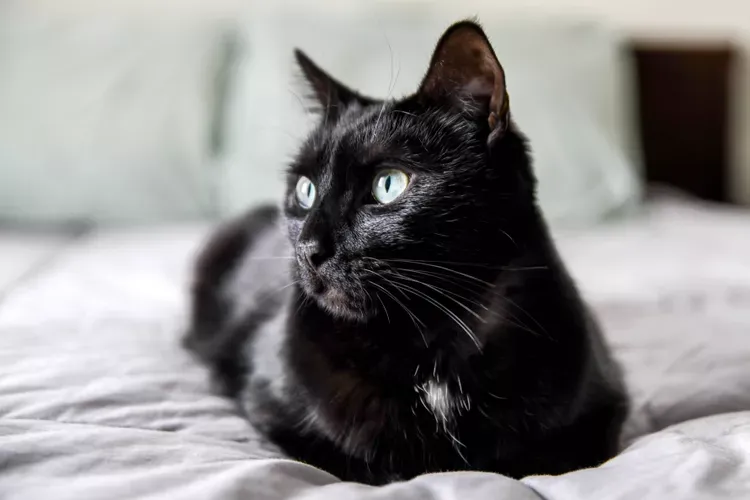
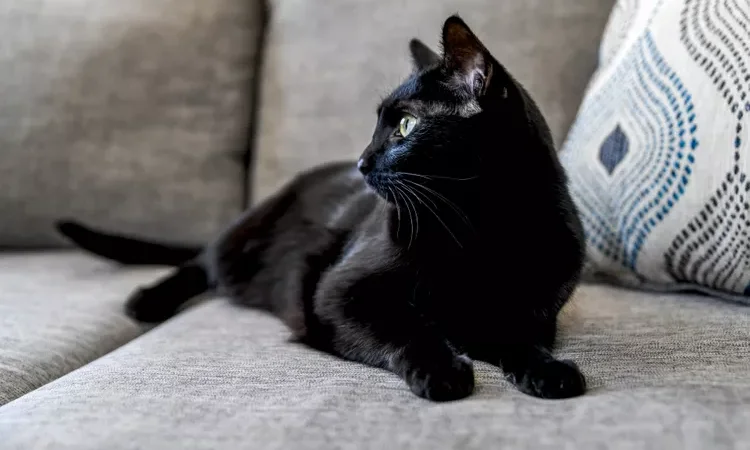
Cats can become depressed or sad for many reasons. Understanding a cat�s emotional state can be challenging because of their subtle facial expressions and body language. However, this doesn't mean your pet lacks feelings. Discover the possible causes of depression in cats, the signs to watch for, and how to help your cat.
Do Cats Get Depressed?
Yes, cats can experience depression much like humans do. Cats have a range of emotions such as fear, sadness, contentment, and affection, though they express these feelings differently. If you notice your cat is feeling down, losing interest in play, or sleeping more than usual, these may be signs of feline depression rather than just aging.
Stress in Cats
Signs of a Depressed Cat
Signs of feline depression vary with personality and severity. Observe your cat�s normal habits and note any changes. Remember these signs can also indicate illness, so consult your veterinarian for guidance.
Vocalization
A depressed cat may meow more or less than usual. These are very audible indications that your cat may be unhappy. Unhappy cat noises are often low-pitched, mournful yowls or crying. In addition, purring does not always indicate happiness and a depressed kitty might even purr more as a way to comfort themself. Cats that are normally vocal may become quiet, while quiet cats may suddenly start vocalizing more.
Body Language
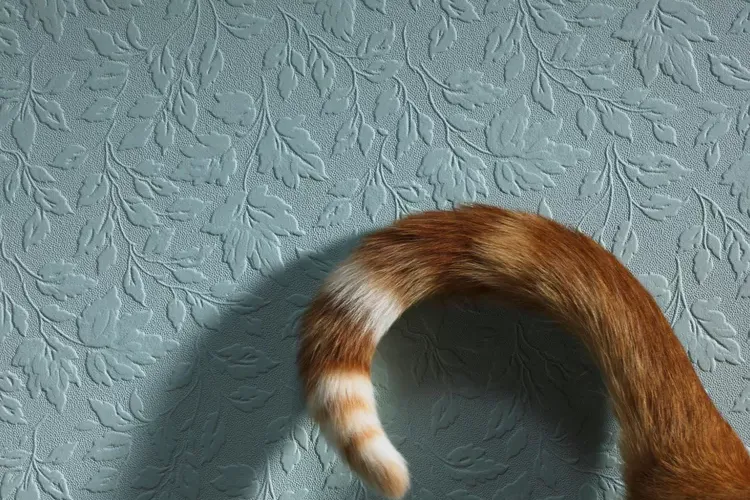
Your cat’s body language may clue you in on their unhappiness, and there are body positions that can indicate this. Ears held back, slit eyes or pupils, tucked or wagging tail, and hair standing on end are forms of silent communication that can indicate depression in cats.
Sleep
Cats normally sleep a lot, but depressed cats may sleep more. A change in their favorite nap spot, particularly to a hidden or isolated area, can indicate sadness. Conversely, a depressed cat may struggle to sleep and become restless at bedtime.
Grooming
A lack of grooming can indicate unhappiness or ill health. Unwell or depressed cats often stop grooming themselves, leaving very unkempt-looking coats. However, some cats may groom excessively when anxiety accompanies depression.
Appetite
Depression may cause a cat to stop eating or to eat less than normal. Sad cats may snub foods they previously enjoyed and may even lose interest in their favorite treats. When cats stop eating, they can develop fatty liver disease, a serious condition that requires veterinary attention.
Litterbox Habits
A depressed cat may avoid the litterbox and poop or pee in inappropriate places. While there are many reasons for urinating or defecating outside of the litter box, stress, depression, and sadness are high on this list. Your cat may urinate in high-value areas such as lookouts, your bedroom, or places where the scent of a deceased pet or missing human lingers to spread their own scent. Also, if your cat soils outside of the litter box, this should raise a red flag.
Scratching
If your cat is sad or depressed, it may start scratching furniture or other objects more than usual to relieve stress and mark their territory.
Activity and Socializing
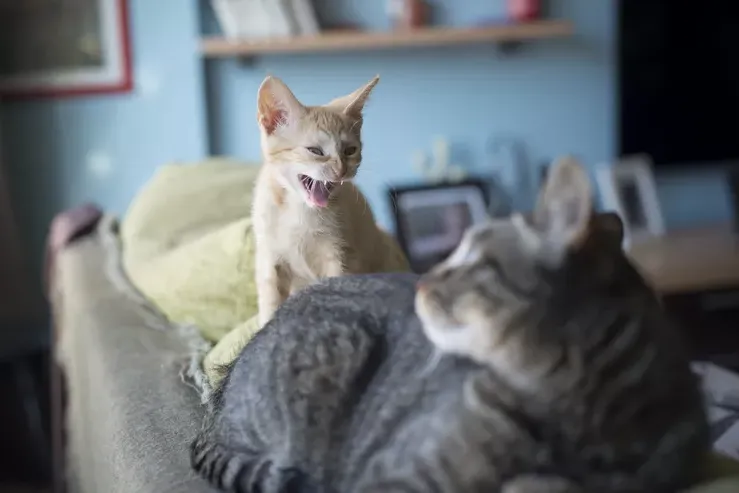
A sad cat may lose interest in the activities they usually enjoy, such as playing. Some cats may become lethargic or reclusive; they may spend more time hiding from people and other pets. Naturally independent cats may become clingy or demanding, and the fear of strangers that many cats seem to share can become heightened when a cat is sad. Some depressed cats may become more reactive and act out with aggression or fearfulness.
Warning
Contact your veterinarian before you assume your cat is depressed. Cats can become seriously ill if they stop eating and will need medical attention within a day or two. Plus, inappropriate peeing and pooping and other behavioral changes may indicate a serious underlying condition.
18 Warning Signs Your Cat Is Crying for Help and Needs Immediate Attention
Causes of Depression in Cats
There can be several reasons why a cat gets depressed, and it's a good idea to take your pet to the veterinarian for a full checkup to rule out potential health conditions that could be causing these behavioral changes. If your vet gives the cat a clean bill of health, then depression could be the underlying cause of the issues.
Illness
Just as you might feel blue when you are sick or in pain, illness can cause your cat to become depressed. Although cats often try to hide sickness, they may not act like their usual selves when they're in pain or discomfort. Numerous conditions can cause depression in cats, including infectious diseases, diabetes, urinary tract infections, and more. If you suspect your cat is depressed because of illness, schedule a visit with your vet as soon as possible.
Injury
Injuries may limit your cat’s ability to do things they once enjoyed, and pain from an injury can keep your cat from feeling as happy as usual. Follow your veterinarian’s recommendations regarding pain relief after an injury or medical procedure. If your cat seems to be in pain, but you aren't sure why, schedule an appointment to have it checked out as soon as possible. Even old surgeries and injuries can cause lingering pain or discomfort in your cat and may require chronic pain relief.
Grief
Losing a family member is always tough for everyone involved, and your cat is no exception. When a family member (human or animal) passes away or moves out, your cat may grieve and become depressed. This is usually only a temporary behavior, and in time, your cat will likely return to normal. If your cat is depressed because another cat in the household has passed away, they may or may not benefit from a new cat friend. Be cautious in adding another animal companion too soon to the family after the loss of a pet, however. Time is usually the best remedy for major changes in household dynamics.
Boredom
Indoor cats may become bored if there's not enough enrichment in their environments, and this may lead to depression. While it's safer and healthier for your feline to remain indoors, all cats need sufficient stimulation. Think of how you'd feel if you were cooped up inside forever with nothing to do. Your cat is no different. Make sure your cat has a variety of activities to stimulate their mind and provide exercise. A variety of toys, cat furniture with climbing opportunities, treats, and perhaps a window to gaze out of are all easy ways to help ward off feline depression, boredom, or sadness.
How to Help a Depressed Cat
If your kitty is feeling blue, and you've already taken care of any possible health conditions or injuries, then you might wonder what else you can do to cheer your cat up. Luckily, there are quite a few way to help a sad cat feel happier.
Spend time every day bonding and interacting with your cat. Petting your cat, allowing it to cuddle on your lap, talking to it, and just paying attention to your kitty's antics all help it to feel loved and content.
Provide your cat with an assortment of toys, and rotate the selection frequently so the cat doesn't tire of any one particular toy. Many cats especially enjoy leaping and chasing a "cat dancer" with ribbons or feathers attached to a stick that you maneuver about for your cat to attack.
Along with a healthy diet and fresh water, you can offer your cat a small number of treats each day. This gives your cat something to look forward to and enjoy. Most cats will quickly learn when it's treat time and will come running if you offer the goody at the same time each day.
Carefully consider getting your cat another animal companion. Some cats are happier being the only pet in a household, while others love to cuddle and interact with another cat or even with a dog. Take your cat's temperament, age, health, and activity level into account before deciding to bring home another pet.
Create entertainment for your cat by hanging a bird feeder near a window that the cat can easily look out of. Both you and your feline will enjoy watching backyard birds visit the feeder, and their movements will provide your cat with a great deal of excitement and stimulation.
Consider using calming aids. Some supplements have natural claiming effects on cats. Pheromone diffusers or sprays, such as Feliway, send calming signals to cats.
If your cat's depression persists, contact a professional for help. Your veterinarian can refer you to a veterinary behaviorist or certified animal behavior consultant who can help get to the bottom of your cat's emotions.
Helping Cats Cope Over Pet Loss
FAQ
Can depression in cats lead to other serious health issues?
Cats can become seriously ill if they stop eating and will need medical attention within a day or two.
How long does cat depression typically last?
This is usually only a temporary behavior, and in time, your cat will likely return to normal.
What are some immediate steps to take if I suspect my cat is depressed?
Contact your veterinarian before you assume your cat is depressed.
If you suspect your pet is sick, call your vet immediately. For health-related questions, always consult your veterinarian, as they have examined your pet, know the pet's health history, and can make the best recommendations for your pet.




Leave a Reply
Your email address will not be published.