

Is My Cat Happy?
Cats express happiness through vocal clues such as higher-pitched sounds and purring, although the latter isn't always a sign of happiness.

How to Treat Heartworm Disease in Dogs
Heartworm disease is a potentially deadly parasitic infection in dogs. Without treatment, a dog with heartworm disease will eventually die. Although the disease can often be treated, prevention is the best way to keep dogs safe.

Why is Your Cat Hiding
Cats are elusive and peculiar pets at the best of times, especially those who spend most of their time outside. However, one thing many new cat owners can become confused by is a cat's habit of finding the smallest possible space to squeeze into and hiding there.

What is a Zoonotic Disease?
Zoonotic diseases are diseases that are transmissible from living animals to people.

The Costs of Responsible Cat Ownership
Owning a cat requires financial responsibility, including costs for food, litter, spaying/neutering, vaccinations, and veterinary care.

How to Change Your Dog's Food
It is a common misconception that changing your dog’s food is as simple as swapping one brand for another, but a rushed transition can lead to several issues with your dog's health and well-being. This is why it’s essential for you to know the correct way to change your dog’s food so you can avoid unfortunate stomach upsets and keep your dog happy and healthy!

Marine Ich, Velvet, or Coral Fish Disease
Amyloodinium ocellatum , the parasite causing Velvet Disease, reproduces rapidly and can devastate saltwater aquariums if untreated.

How to Care for a Senior Dog
As dogs get older, the requirements of their care change, much like with people. While these changes will vary from dog to dog, there are a few general aspects of their care to bear in mind if your dog is reaching senior age or you’re planning to adopt an older dog.
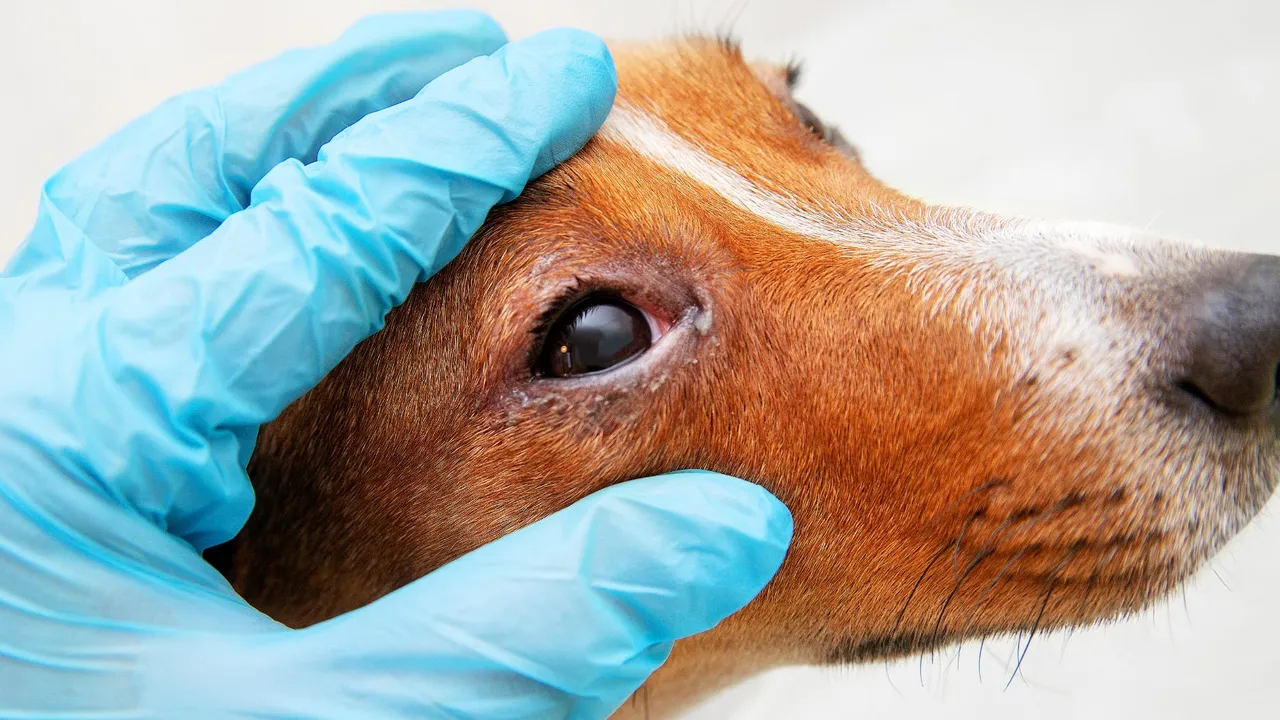
Why Are My Dog’s Eyes Red?
Bloodshot eyes in humans are a sure sign that something isn’t quite right with our eyes, whether it’s an infection or injury, and the same goes for our dogs. While the problem with your dog's eyes could be a variety of things, it’s important to contact your vet as soon as possible when you notice something amiss, or else you could risk damage to your dog’s vision.

Dog Theft: What You Need To Know
A dog is a source of joy in your life. They are wonderful companions, adorable to be around and even helpful to many people around the UK. But sadly, there is always the risk that your dog may be stolen. You’ve likely heard about dognapping online and on the news, and while dog theft isn’t anything new it is certainly something worth thinking about.
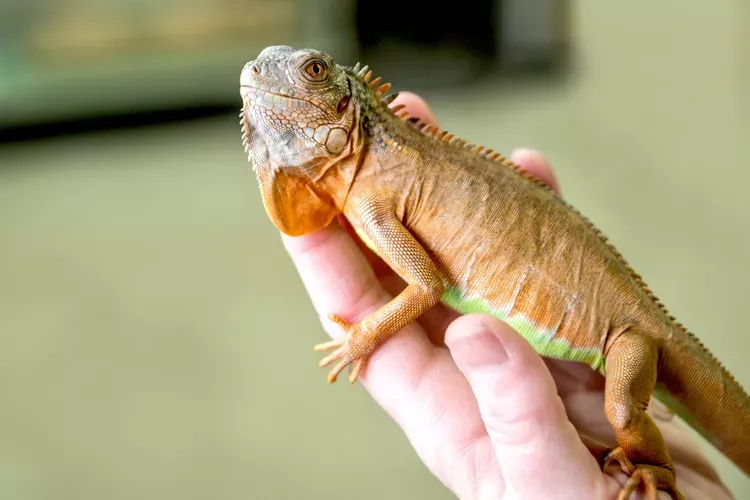
Exotic Pets You Can Own Without a License: State-by-State Laws
Every state has laws that determine what kind of animals can be kept as pets. These laws can change at any time and over the years, many states have added to their list of prohibited animals. Game and fish commissions, departments of fish and wildlife or conservation, and other state divisions dictate these rules that are found in state statutes and regulations. These documents can be difficult for some to discover and decipher because they are written in complicated legal language.

Tea Tree Oil for Fleas: Evaluating Safety and Effectiveness
Tea tree oil should never be given orally to pets as it is toxic if swallowed.

Deworming Your Dog: How Often Is Necessary for Optimal Health?
Puppies should be dewormed regularly for the first few months of life, typically during scheduled vaccination visits.
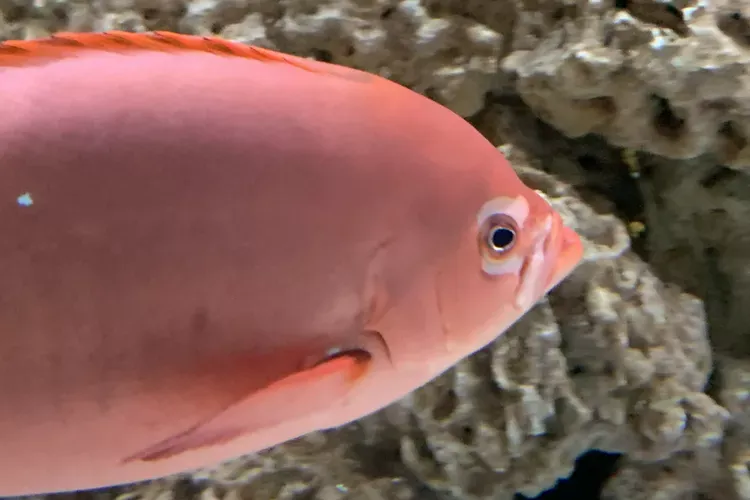
Hole-in-the-Head Disease in Saltwater Fish
Hole-in-the-head disease (HITH) causes erosive pits in fish and is primarily an aesthetic issue but can lead to secondary infections.
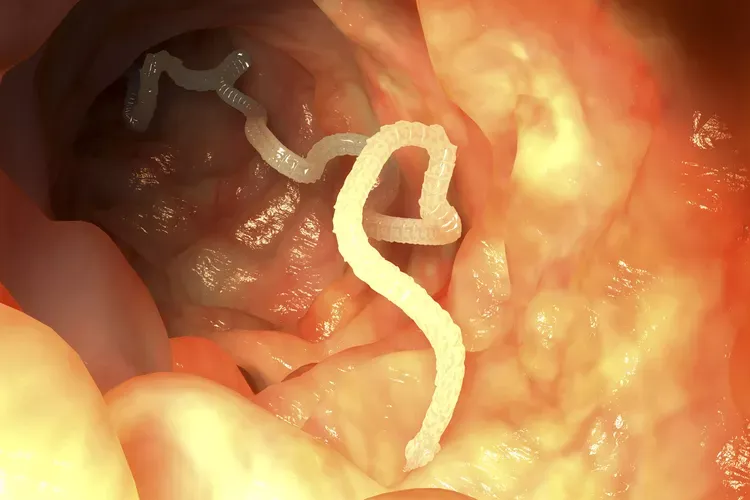
Tapeworms in Dogs
Tapeworms in dogs are rarely serious but can cause irritation, malnutrition, and weight loss if untreated.

Tapeworms in Cats
Tapeworms are a common parasite in cats that live in the intestines. They can be excreted in the feces and passed along to other animals. Some owners may notice tapeworm symptoms in their cat such as vomiting, diarrhea, a bloated belly, changes in appetite, or segments of the worms in the stool, but many cats can have tapeworms and not show any signs. For this reason, regular prevention and screening is important to keep your cat free from tapeworms and other intestinal parasites.

Ear Mites in Puppies and Dogs
Ear mites are highly contagious parasites that cause itching, inflammation, and discomfort in pets, requiring prompt treatment.
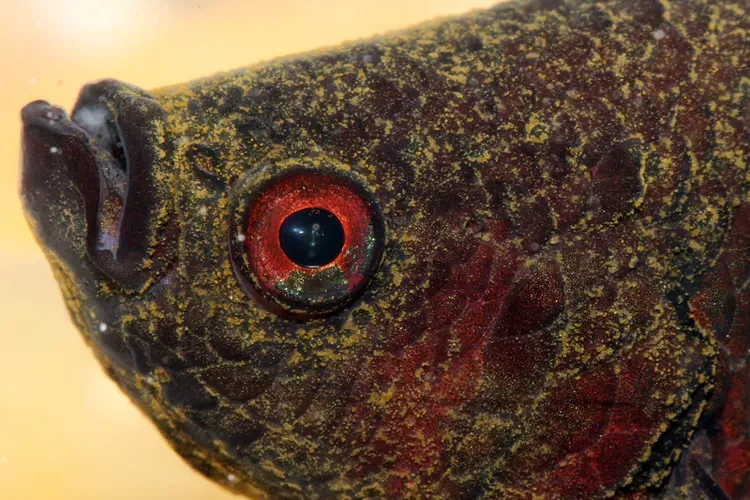
Velvet: Aquarium Fish Disease Identification and Cure
Velvet disease is a serious condition caused by dinoflagellate parasites, requiring immediate attention to prevent fish mortality.
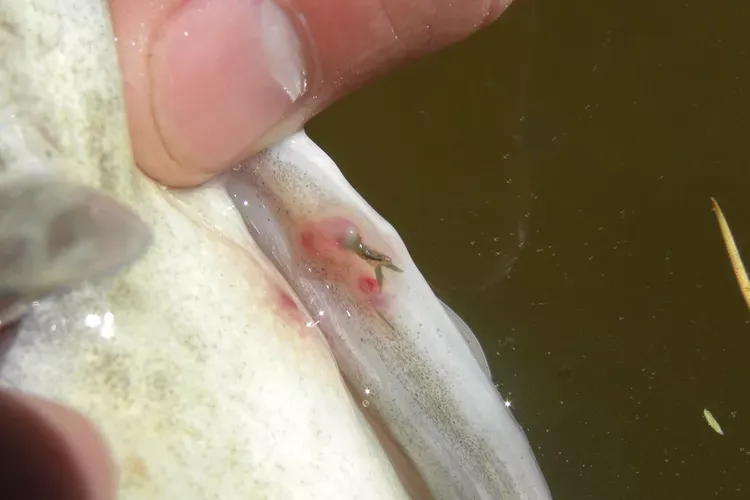
Anchor Worms in Freshwater Fish: Causes, Symptoms, and Treatment
Anchor worms are crustacean copepod parasites common in freshwater fish such as koi and goldfish, and they are visible to the naked eye.

How to Give Fish a Freshwater Dip or Bath
A quick freshwater dip is an effective first step to treat saltwater fish for parasites before quarantine.
Heartworms in Cats: Rare, Deadly, and Easier to Prevent Than You Think
Heartworm disease in cats, though less common than in dogs, can be fatal and often presents with subtle or sudden, severe symptoms.
How to Cure Ick on Freshwater Fish: Effective Treatment Solutions
Ich, or white spot disease, is caused by the protozoan parasite Ichthyophthirius multifiliis and appears as white spots on fish.
How Do Fish Get Parasites?
Quarantine new fish for 4-6 weeks to prevent parasite spread and ensure their health before adding them to the main tank.
Do Calico Cats Have to Be Female? Unraveling the Science Behind the Trait
Calico cats are not a breed, but a color pattern consisting of black, white, and orange patches, found in many cat breeds.
Should You Spay a Cat in Heat?
Spaying a cat while in heat is possible but not ideal due to more complicated surgery and potential risks.
Exploring Lentigo: Understanding Black Spots on Orange Cats
Lentigo is a benign, genetic condition in orange cats causing black or brown spots and is not associated with cancer.
Can You Use Dog Flea Control on a Cat?
Never use flea medications labeled for dogs on cats, as they can be toxic and potentially fatal.
What Your Cat Is Saying With Its Eyes
Cats communicate with their eyes, and understanding the position of the eyelids and pupil dilation is crucial in interpreting emotions such as arousal, trust, dominance, and aggression.
Understanding Cat Tail Talk
Feline communication is a complex system of sign language, some vocalization, and even scent cues people can’t detect. Signals help define and reinforce the cat’s social position and smooth cat-to-cat, cat-to-people, and cat-to-dog relationships.
What Happens When a Cat is Spayed?
Spaying a female cat prevents heat cycles, reduces the risk of mammary cancer, and helps control overpopulation.
How to Solve Aggression Between Household Cats
Aggression between cats is influenced by social history, medical issues, and the introduction of new cats.
Feline Breeds, Domestic Shorthair Cats, and Color Pattern Differences
There are over 70 recognized cat breeds, but only around 41 are recognized by the CFA. A breeds' recognition can vary by different cat registries.
Effective Cat Flea Control: Treatment and Prevention Strategies
Fleas are common parasites that affect both cats and humans.
How to Tell How Old a Cat Is: Decoding Your Feline's Age
*Teeth:* A cat's age can be estimated by examining the condition of its teeth, considering factors like the presence of baby teeth, permanent teeth, and any evidence of wear or tartar.
Why Your Cat Is Meowing So Much—and Other Ways They Seek Your Attention
Cats meow for various reasons, including communication, attention-seeking, or medical issues, so monitor changes in vocalization.
Tabby Cat: Breed Profile, Characteristics & Care
Contrary to popular belief, the tabby cat isn't a specific cat breed but rather a cat coat pattern. Tabby cats are characterized by their unique markings and can come in brown, gray, orange, or black, with markings like stripes, spots, whorls, and bands. They usually feature an 'M'-shaped mark on their foreheads.
Understanding Calico Cats: Unique Traits, History & Care Tips
Calico cats are not a specific breed but are known for their distinctive tri-color coats.
Subscribe Newsletter
Subscribe to our newsletter and stay up to date with the latest news, updates, and exclusive offers. Join our community today!
How to Successfully Introduce a Kitten to an Older Cat
**Preparation is Crucial:** Utilize pheromones, calming supplements, and create separate spaces in advance to reduce stress for both the older cat and the kitten.
Do Cats Like Weed? Understanding Marijuana Toxicity in Cats
**Marijuana is Toxic to Cats**: Cats should not consume marijuana in any form, whether through inhalation or ingestion, due to toxic effects.
Cat Bunting Behavior: What Does It Mean?
Called bunting, cats rub their heads against prominent objects to leave chemical markings as a part of scent communication. Depending on the object of the cat's communication, they may be claiming ownership or indicating pleasure.1
Is My Cat Happy?
Cats express happiness through vocal clues such as higher-pitched sounds and purring, although the latter isn't always a sign of happiness.
Your Kitten's Development in the First 6 Weeks
The all-important first six weeks in a cat's life will do much in determining its personality and character for the rest of his life. This period is extremely important for the health of the developing kitten.
Is My Cat Depressed? Recognizing and Treating Feline Sadness
Cats can become depressed or sad for many reasons. Understanding a cat�s emotional state can be challenging because of their subtle facial expressions and body language. However, this doesn't mean your pet lacks feelings. Discover the possible causes of depression in cats, the signs to watch for, and how to help your cat.
Join Us
Share your perspective with confidence. Your experience could inform, inspire, and help someone live better.
Archives
Authors
More ...-
 Lara Hew 27 articles
Lara is a photography major at UArts in Philly! In her free time, she likes to walk dogs and, of course, take photos. She also loves reading and movies, hiking, kayaking, and just anything that involves being outdoors. She has grown up with animals since she was little and currently has two dogs and a cat of her own.
-
 Peyton Shine 26 articles
Peyton originally from Michigan, but have lived in Philadelphia for 10 years. She grew up surrounded by animals, both at home and on her grandparent's farm. She now has one dog, a golden retriever-boxer mix named Cooper.
-
 Tiffany Salmon 47 articles
I focus on empowering my team through collaboration, transparency, and a shared sense of purpose. I believe in leading by example, maintaining a mindset of continuous learning, and encouraging others to think creatively and take calculated risks.
-
 Dana Minacapelli 47 articles
Dana started her journey in the veterinary field in 2004 at an animal shelter in Corpus Christi, Texas. She immediately fell in love with the profession and nurtured her passion for helping animals that were in desperate need of a second chance. Here, she began implementing improved policies that mitigated disease control, managed a low cost spay/neuter program for the community, and made recommendations to the Board of Directors on best practices for the clinic as well as the shelter as a whole.
-
 Lizzie Youens 50 articles
Lizzie has over ten years of experience as a veterinary surgeon with particular interests in animal behaviour, dermatology, and geriatrics.
-
 Hannah Clark 25 articles
Hannah has worked at Pet Drugs Online for over three years, researching, writing, and publishing all of our blog content. She currently lives in Cardiff with her 5-year-old cat, Margot, and 2-year-old Cavapoo, Merida.